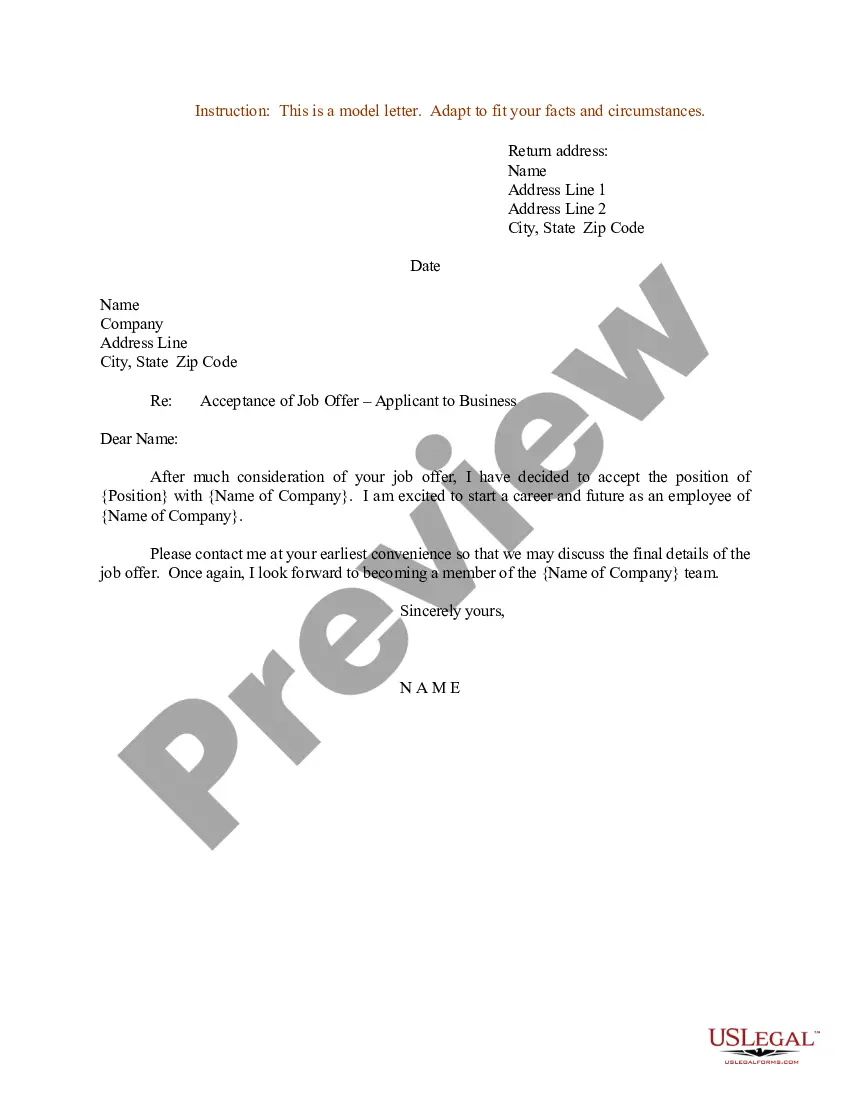
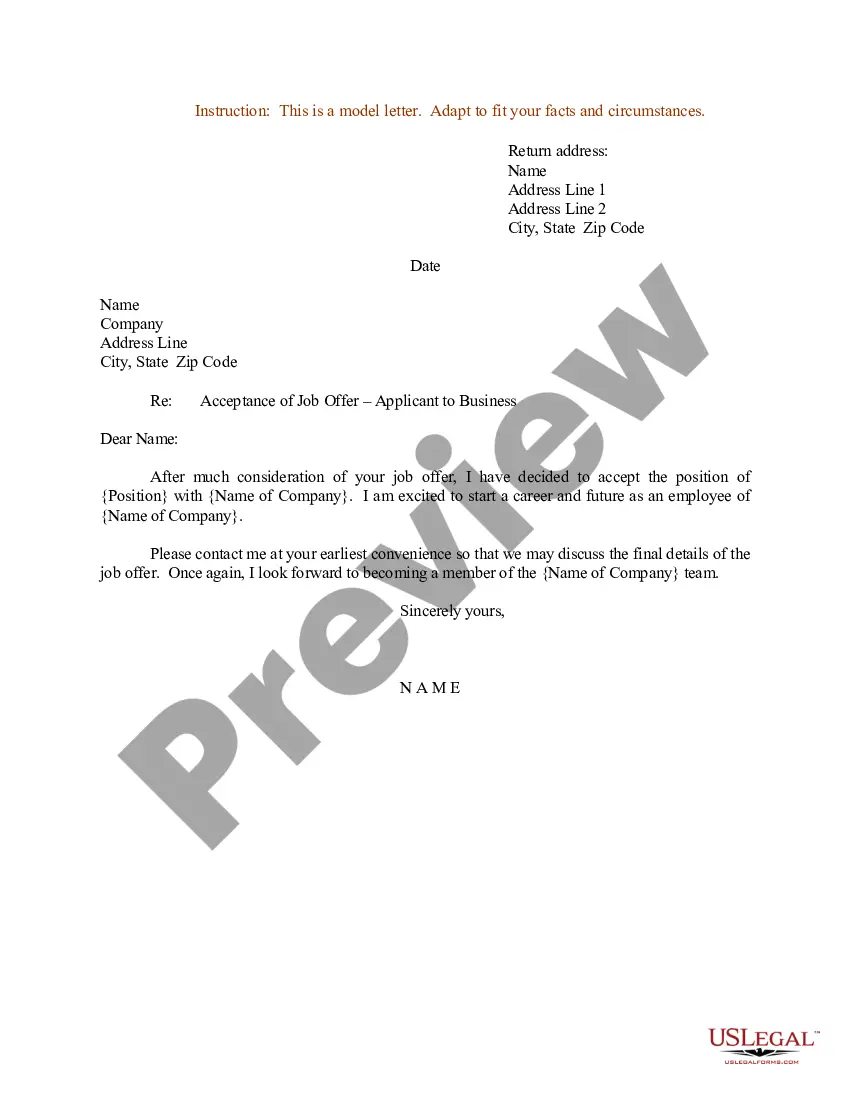
Claim Against Estate File For Maintenance In Tarrant
Description


Get your form ready online
Our built-in tools help you complete, sign, share, and store your documents in one place.
Make edits, fill in missing information, and update formatting in US Legal Forms—just like you would in MS Word.
Download a copy, print it, send it by email, or mail it via USPS—whatever works best for your next step.
Sign and collect signatures with our SignNow integration. Send to multiple recipients, set reminders, and more. Go Premium to unlock E-Sign.
If this form requires notarization, complete it online through a secure video call—no need to meet a notary in person or wait for an appointment.
We protect your documents and personal data by following strict security and privacy standards.

Make edits, fill in missing information, and update formatting in US Legal Forms—just like you would in MS Word.

Download a copy, print it, send it by email, or mail it via USPS—whatever works best for your next step.

Sign and collect signatures with our SignNow integration. Send to multiple recipients, set reminders, and more. Go Premium to unlock E-Sign.

If this form requires notarization, complete it online through a secure video call—no need to meet a notary in person or wait for an appointment.

We protect your documents and personal data by following strict security and privacy standards.
Looking for another form?









Form popularity
FAQ
Filing a claim against an estate is a fairly simple process: In the claim, you'll state under oath that the debt is owed and provide details on the amount of the debt and any payments the decedent made. If you have written documentation, you can attach it to your claim.
If the estate is small or simple, the probate court can often conclude the process within six months. However, there are many cases where probate can last for a year or longer. This is especially true where the original will is contested or is missing.
Once the affidavit is completed and notarized, it must be filed with the county clerk's office in Tarrant County.
The creditor first files a Statement of Claim in the probate matter for the decedent, or the person who died. If a claim is filed and it is timely, the court will not close the matter until the claim has been satisfied or the personal representative shows that funds are not sufficient to cover it.
Texas probate law sets a strict statute of limitations of only four years for any heir or beneficiary to make a legal claim for inheritance. The four-year clock starts ticking as soon as the adoption is complete for adopted children. For other heirs or beneficiaries, it begins on the date of the parent's death.
Directly suing a deceased individual isn't feasible, as they can't be legally pursued after death. However, it's possible to initiate legal action against their estate. Probate courts manage this process, using the deceased person's assets to address claims from creditors or compensate victims.
In Texas, the probate process generally takes between six months to a year. However, this timeline can vary based on the factors mentioned above. For uncomplicated estates with a valid will and cooperative beneficiaries, probate may conclude within a few months.