Suing An Estate Executor For Misrepresentation
Description


Get your form ready online
Our built-in tools help you complete, sign, share, and store your documents in one place.
Make edits, fill in missing information, and update formatting in US Legal Forms—just like you would in MS Word.
Download a copy, print it, send it by email, or mail it via USPS—whatever works best for your next step.
Sign and collect signatures with our SignNow integration. Send to multiple recipients, set reminders, and more. Go Premium to unlock E-Sign.
If this form requires notarization, complete it online through a secure video call—no need to meet a notary in person or wait for an appointment.
We protect your documents and personal data by following strict security and privacy standards.

Make edits, fill in missing information, and update formatting in US Legal Forms—just like you would in MS Word.

Download a copy, print it, send it by email, or mail it via USPS—whatever works best for your next step.

Sign and collect signatures with our SignNow integration. Send to multiple recipients, set reminders, and more. Go Premium to unlock E-Sign.

If this form requires notarization, complete it online through a secure video call—no need to meet a notary in person or wait for an appointment.

We protect your documents and personal data by following strict security and privacy standards.
Looking for another form?
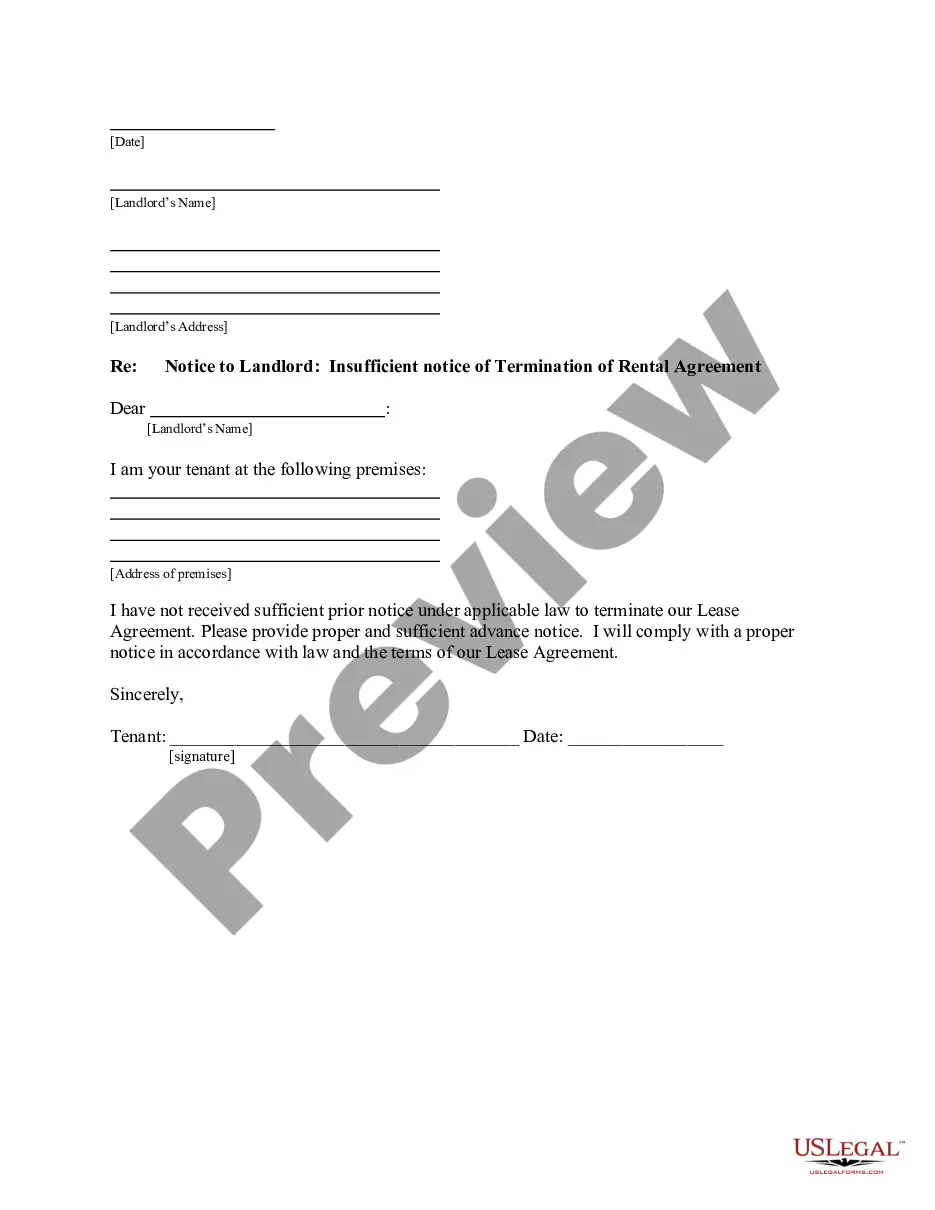
How to fill out Sample Letter For Claim Settlement Against Decedent's Estate?
Creating legal documents from the ground up can frequently be daunting.
Certain situations may require extensive research and significant financial investment.
If you seek a more straightforward and cost-effective method for drafting Suing An Estate Executor For Misrepresentation or any other paperwork without unnecessary complications, US Legal Forms is always available to assist you.
Our online library of over 85,000 current legal documents covers nearly every element of your financial, legal, and personal matters.
Review the form preview and descriptions to ensure you have located the document you require. Confirm that the template you select adheres to the laws and regulations of your state and county. Choose the appropriate subscription plan to purchase the Suing An Estate Executor For Misrepresentation. Download the document, then complete, sign, and print it. US Legal Forms boasts an impeccable reputation and over 25 years of expertise. Join us today and simplify the form-filling process!
- With just a few clicks, you can swiftly access state- and county-compliant templates meticulously crafted by our legal professionals.
- Utilize our platform whenever you require dependable and trustworthy services to promptly find and download the Suing An Estate Executor For Misrepresentation.
- If you are familiar with our site and have previously registered an account with us, simply Log In to your account, find the form, and download it or re-download it anytime from the My documents section.
- Not have an account? No worries. Setting it up and browsing the catalog takes minimal time.
- Before rushing to download Suing An Estate Executor For Misrepresentation, consider these recommendations.
Form popularity
FAQ
To sue the executor of an estate, start by reviewing the estate's documentation and identifying the grounds for your claim. Filing a lawsuit typically requires you to submit your complaint to the appropriate court. It is advisable to seek legal guidance throughout this process to ensure you meet all legal requirements. If you suspect misrepresentation, remember that suing an estate executor for misrepresentation can help protect your rights as a beneficiary.
You can hold an executor accountable by formally requesting an accounting of the estate's finances. If the executor fails to respond or provide satisfactory information, you may need to escalate the matter legally. Engaging a legal professional can help navigate the process effectively. Ultimately, if misrepresentation is evident, you may consider suing an estate executor for misrepresentation.
To prove executor misconduct, you must collect documentation and evidence that demonstrates misrepresentation or failure to fulfill duties. This may include financial records, communication logs, and witness statements. Engaging a lawyer experienced in estate disputes can greatly assist in building your case. Remember, suing an estate executor for misrepresentation requires clear and convincing evidence.
The beneficiaries of the estate typically hold the executor accountable. If you suspect misrepresentation, you may need to gather evidence and possibly consult legal counsel. Additionally, courts can intervene if there is clear misconduct. Understanding your rights is crucial when considering suing an estate executor for misrepresentation.
Yes, you can sue the executor of an estate if you have valid grounds to do so, such as misrepresentation or failure to fulfill their duties. It is essential to document your claims and gather supporting evidence. Utilizing platforms like US Legal Forms can provide you with the necessary legal documents and guidance for successfully suing an estate executor for misrepresentation.
To take legal action against an executor, first gather evidence showing misrepresentation or misconduct. You may need to file a lawsuit in the probate court where the estate is being administered. Engaging a qualified attorney can guide you through the process of suing an estate executor for misrepresentation, ensuring that you meet all necessary legal requirements.
The court can remove an executor as the personal representative of the estate for committing fraud. Any interested person can petition a California probate court to remove the personal representative from office if they have embezzled, mismanaged, wasted, or committed fraud on the estate, or are about to do so.
To ensure the executor remains honest over the course of administration, beneficiaries should make it a point to play an active role in administration. They should be familiar with the contents of the will, the nature of their inheritance, the duties of the executor and the steps of the administration process.
An application to the Court under the Civil Procedure Rules The Court can authorise the distribution of the Estate or provide directions as a result of which you, as a Personal Representative, would be protected from any claims which arise as a result.
You should first try talking to the executor about your concerns. If that doesn?t work, you may have to take legal action. To have an executor removed from an estate you need to be able to show that they are not living up to their responsibilities of their job or that they are doing something that isn?t legal.
