Suing An Estate Executor With No Money In Queens
Description


Get your form ready online
Our built-in tools help you complete, sign, share, and store your documents in one place.
Make edits, fill in missing information, and update formatting in US Legal Forms—just like you would in MS Word.
Download a copy, print it, send it by email, or mail it via USPS—whatever works best for your next step.
Sign and collect signatures with our SignNow integration. Send to multiple recipients, set reminders, and more. Go Premium to unlock E-Sign.
If this form requires notarization, complete it online through a secure video call—no need to meet a notary in person or wait for an appointment.
We protect your documents and personal data by following strict security and privacy standards.

Make edits, fill in missing information, and update formatting in US Legal Forms—just like you would in MS Word.

Download a copy, print it, send it by email, or mail it via USPS—whatever works best for your next step.

Sign and collect signatures with our SignNow integration. Send to multiple recipients, set reminders, and more. Go Premium to unlock E-Sign.

If this form requires notarization, complete it online through a secure video call—no need to meet a notary in person or wait for an appointment.

We protect your documents and personal data by following strict security and privacy standards.
Looking for another form?


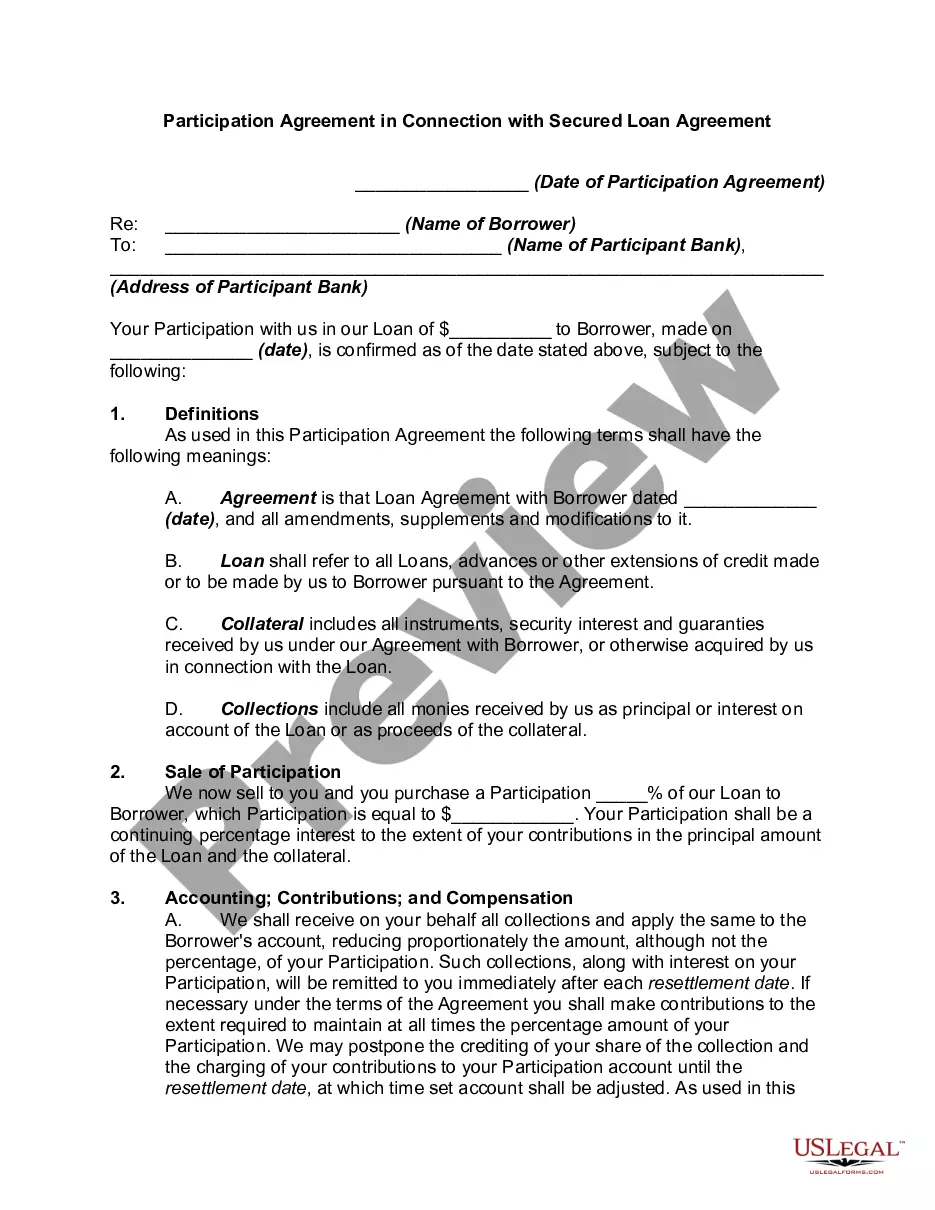


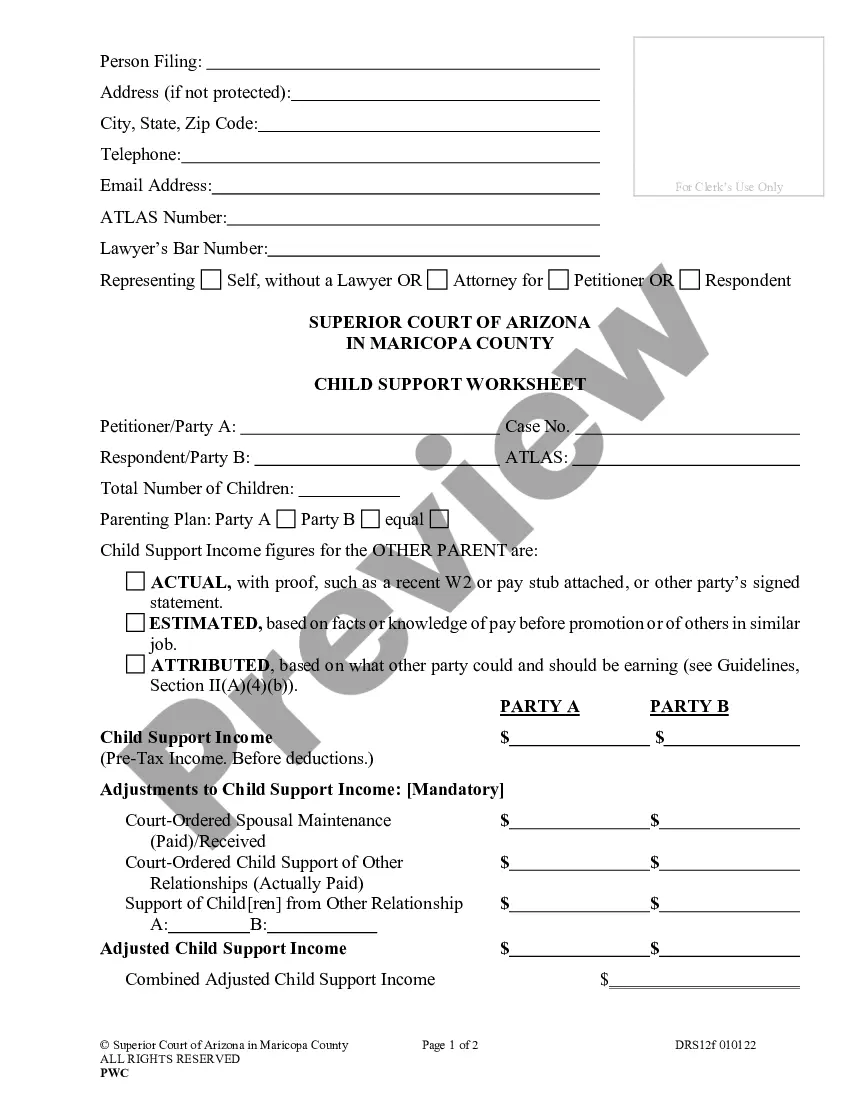




Form popularity
FAQ
New York state law does not have a specific time limit for settling an estate. The time frame varies depending on the size of the estate and the complexity of the situation.
In New York, creditors have a maximum of seven months to file claims against an estate. If you have questions related to this aspect of estate administration, Jules Haas is a seasoned New York City estate litigation attorney who may be able to assist you.
Generally speaking, the time limit for a person or family member to claim an inheritance in New York State is two years from the date of the decedent's death. There are exceptions the place the statute of boundaries might also be longer or shorter depending on the circumstances.
How to Submit a Claim A copy of the death certificate. Proof of Address or Ownership connecting the owner to the address or funds. Letters of Authority (Testamentary/Administration) issued by the court certifying your appointment, dated within the last six months, or a Small Estates Affidavit and Table of Heirs.
CLOSING THE ESTATE: FORM 207.42 must be prepared and executed by the fiduciary and the attorney and filed after 7 months or by the end of 2 years from the date of fiduciary appointment. RELEASES from all beneficiaries of the estate must be executed and filed at this time, if not already filed.
A: The general time limit for contesting a Will is a few months, usually four after the beneficiaries of the estate have been notified that probate will soon commence.
When a formal probate is required, but the executor fails to probate the will, it can result in harm to the estate. As an example, if probate was not opened by the executor in a timely fashion, the estate could suffer adverse tax consequences or other financial losses.

