Settlement Against Estate For Sale In Pima
Description


Get your form ready online
Our built-in tools help you complete, sign, share, and store your documents in one place.
Make edits, fill in missing information, and update formatting in US Legal Forms—just like you would in MS Word.
Download a copy, print it, send it by email, or mail it via USPS—whatever works best for your next step.
Sign and collect signatures with our SignNow integration. Send to multiple recipients, set reminders, and more. Go Premium to unlock E-Sign.
If this form requires notarization, complete it online through a secure video call—no need to meet a notary in person or wait for an appointment.
We protect your documents and personal data by following strict security and privacy standards.

Make edits, fill in missing information, and update formatting in US Legal Forms—just like you would in MS Word.

Download a copy, print it, send it by email, or mail it via USPS—whatever works best for your next step.

Sign and collect signatures with our SignNow integration. Send to multiple recipients, set reminders, and more. Go Premium to unlock E-Sign.

If this form requires notarization, complete it online through a secure video call—no need to meet a notary in person or wait for an appointment.

We protect your documents and personal data by following strict security and privacy standards.
Looking for another form?


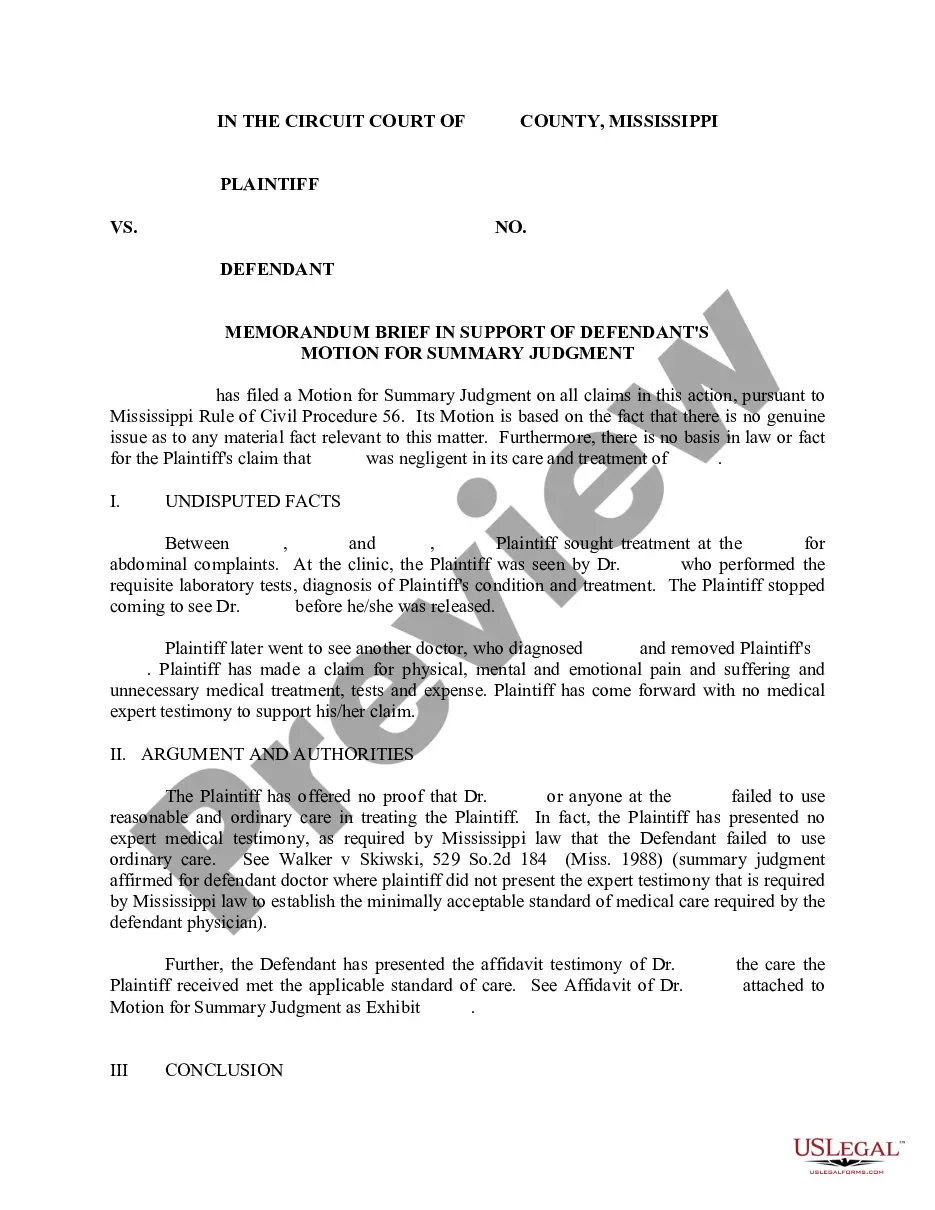
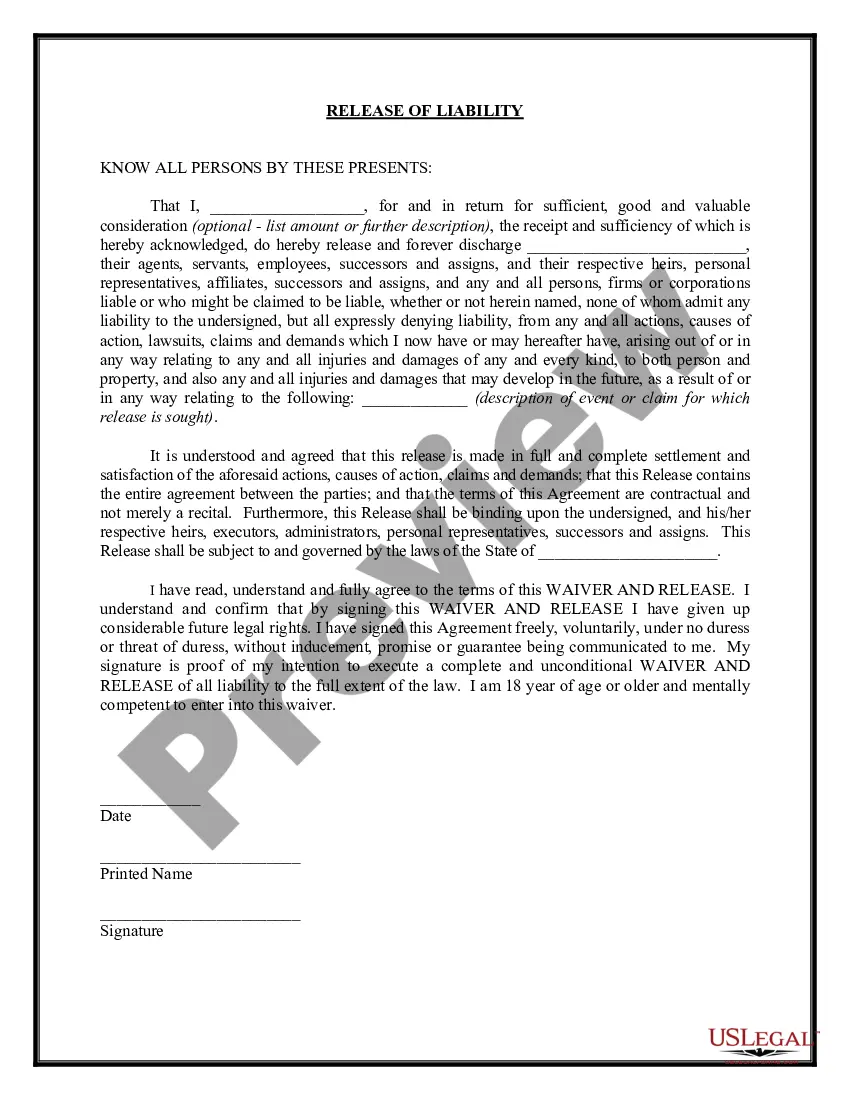

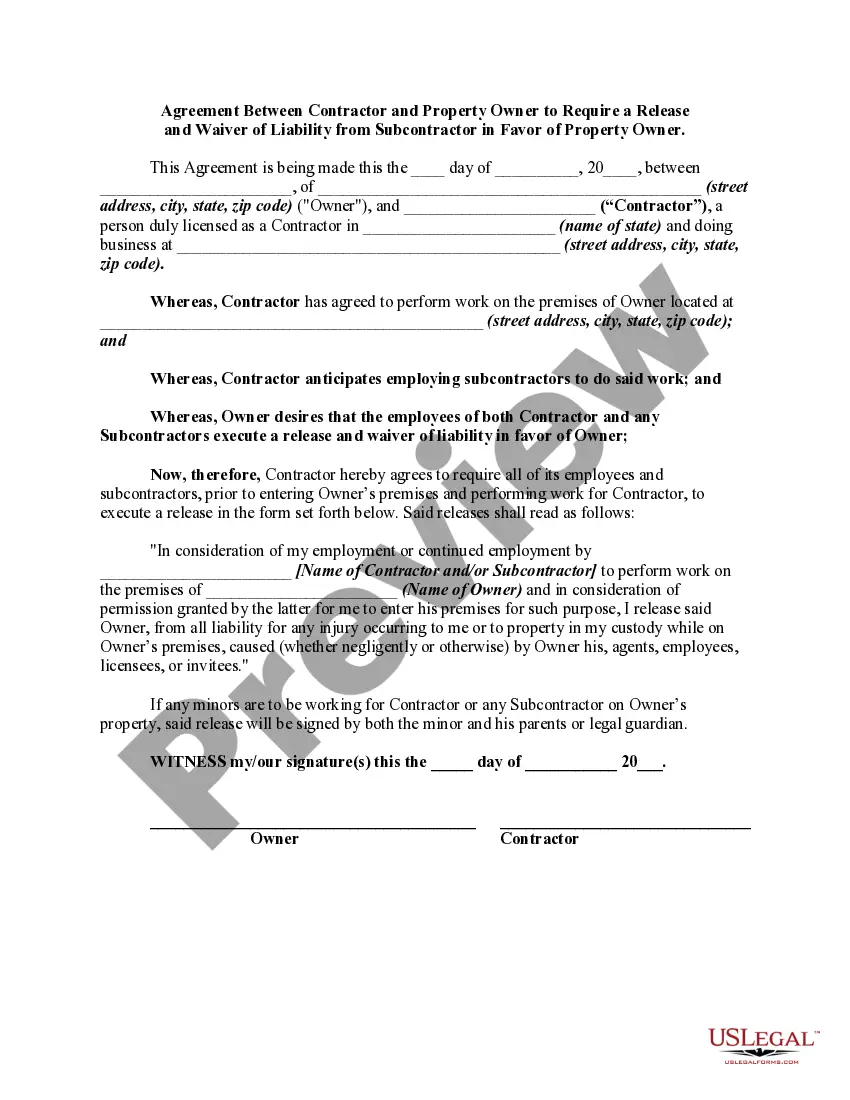

Form popularity
FAQ
Required to present their claims within four months after the date of the first publication of the notice to creditors or the claims will be forever barred. required to present their claims within four months after receipt of the notice to creditors by mail or the claims will be forever barred.
There may be additional hearings to resolve contests, and the executor will probably need court approval before making major decisions and actions. Informal probate is obviously the quickest and can conclude in 4 – 6 months. Formal probate may take up to a year or longer.
In Arizona, probate is always required for wills and assets that aren't in a trust or included in a transfer-on-death deed. Probate is also required for large estates consisting of personal property valued at over $75,000 and real estate property valued at over $100,000.
If the Estate has been fully administered and it is ready to be closed, file the original Closing Statement ing to the instructions above. Then send a copy of your conformed Closing Statement along with a note requesting that the hearing be canceled to the Commissioner assigned to your case.
Per ARS §22-246 a certified copy of the judgment must be filed with the Clerk of Superior Court who will issue an execution on the judgment. Upon filing this with the County Recorder's Office, a lien will be placed on the defendant's real property.
And some states also allow judgment liens on the debtor's personal property -- things like jewelry, art, antiques, and other valuables. In Arizona, a judgment lien can be attached to real estate only (meaning a house or similar property).
In Arizona, a judgment is initially effective for ten years after the date of its entry, and execution must be accomplished within that period.
Submit your claim directly to the probate court and serve a copy on the personal representative. If you file a formal claim and the personal representative rejects it, you can file suit against the estate within three months of the rejection.
Understanding the Deceased Estate 3-Year Rule The core premise of the 3-year rule is that if the deceased's estate is not claimed or administered within three years of their death, the state or governing body may step in and take control of the distribution and management of the assets.