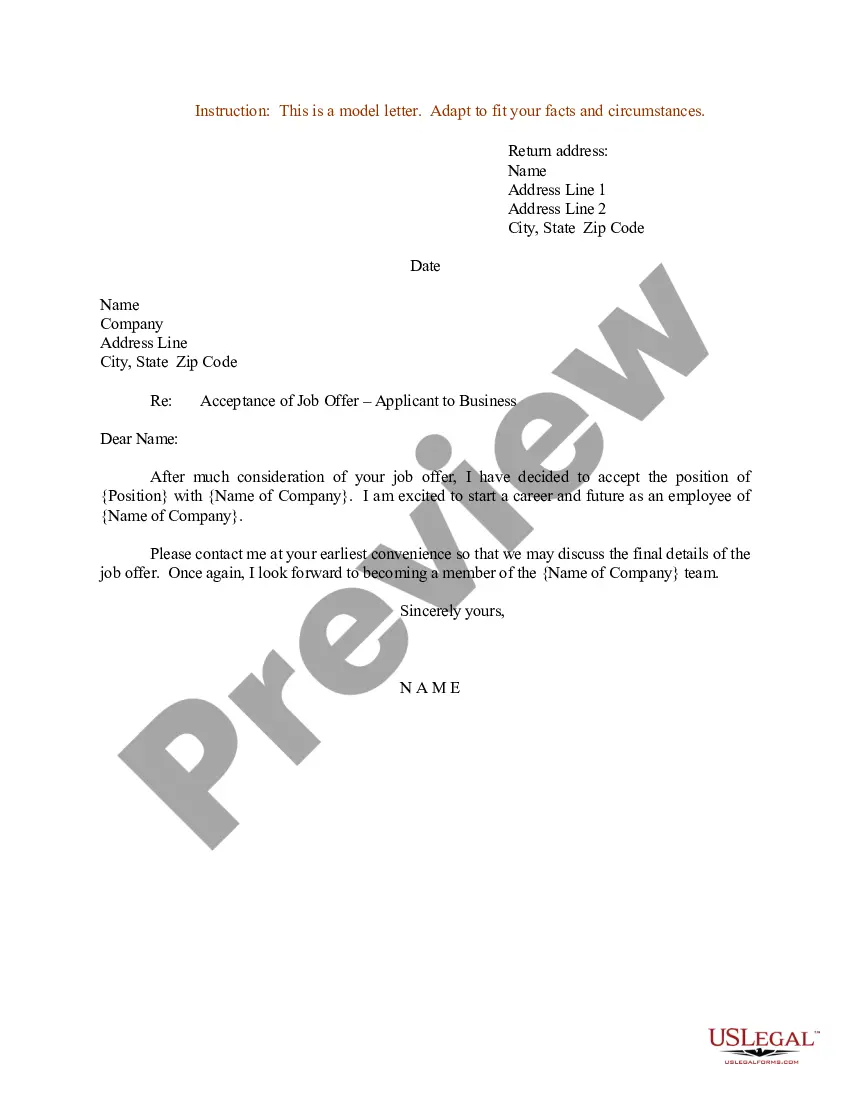
Sample Claim Statement With Job Application In Pima
Description


Get your form ready online
Our built-in tools help you complete, sign, share, and store your documents in one place.
Make edits, fill in missing information, and update formatting in US Legal Forms—just like you would in MS Word.
Download a copy, print it, send it by email, or mail it via USPS—whatever works best for your next step.
Sign and collect signatures with our SignNow integration. Send to multiple recipients, set reminders, and more. Go Premium to unlock E-Sign.
If this form requires notarization, complete it online through a secure video call—no need to meet a notary in person or wait for an appointment.
We protect your documents and personal data by following strict security and privacy standards.

Make edits, fill in missing information, and update formatting in US Legal Forms—just like you would in MS Word.

Download a copy, print it, send it by email, or mail it via USPS—whatever works best for your next step.

Sign and collect signatures with our SignNow integration. Send to multiple recipients, set reminders, and more. Go Premium to unlock E-Sign.

If this form requires notarization, complete it online through a secure video call—no need to meet a notary in person or wait for an appointment.

We protect your documents and personal data by following strict security and privacy standards.
Looking for another form?


Form popularity
FAQ
The STAR method is a useful framework for writing effective statements of claims. It involves outlining the Situation, Task, Action, and Result of a particular experience or achievement.
While a Cover Letter grabs attention and showcases your immediate fit, an SOP provides a deeper dive into your research journey and long-term aspirations. Together, they form a complete picture of who you are as a candidate, highlighting both your skills and your passion for the field.
The main difference is that a cover letter will typically talk more about your achievements and work experience, while a letter of intent will talk more about what you can do for a company.
A personal statement is often used in academic contexts and focuses on your personal journey, goals, and motivations. A cover letter is used in professional contexts and focuses on your qualifications and fit for a specific job.
Your responses to the selection criteria in a statement of claims will be more detailed than in your cover letter, and contain enough evidence to convince the employer that you meet the job criteria. A simple one- or two-line answer will rarely be sufficient.