Letter Settlement Estate Sample With Deed Of Sale In Pennsylvania
Description


Get your form ready online
Our built-in tools help you complete, sign, share, and store your documents in one place.
Make edits, fill in missing information, and update formatting in US Legal Forms—just like you would in MS Word.
Download a copy, print it, send it by email, or mail it via USPS—whatever works best for your next step.
Sign and collect signatures with our SignNow integration. Send to multiple recipients, set reminders, and more. Go Premium to unlock E-Sign.
If this form requires notarization, complete it online through a secure video call—no need to meet a notary in person or wait for an appointment.
We protect your documents and personal data by following strict security and privacy standards.
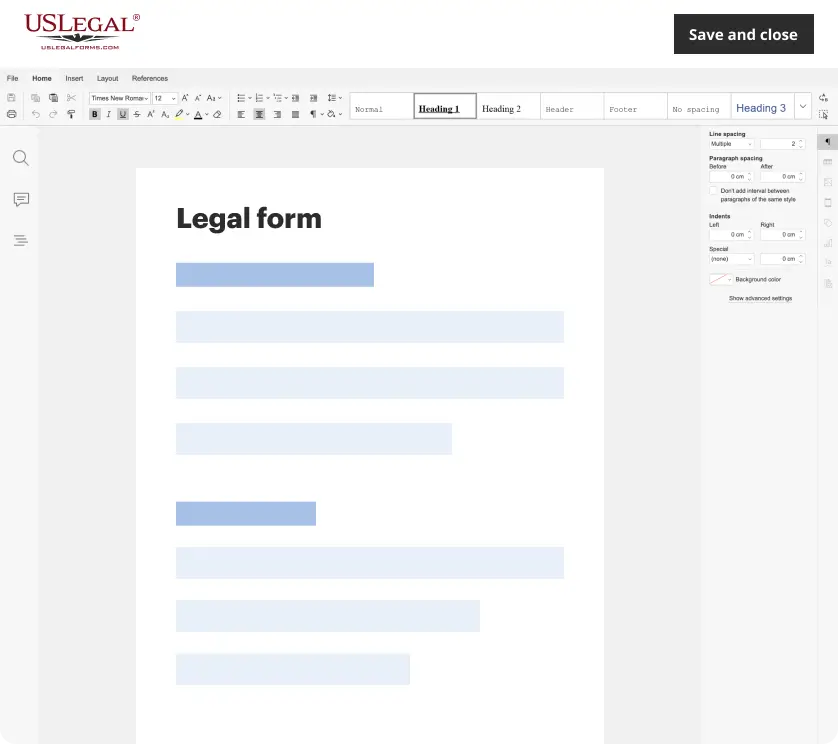
Make edits, fill in missing information, and update formatting in US Legal Forms—just like you would in MS Word.
Download a copy, print it, send it by email, or mail it via USPS—whatever works best for your next step.
Sign and collect signatures with our SignNow integration. Send to multiple recipients, set reminders, and more. Go Premium to unlock E-Sign.

If this form requires notarization, complete it online through a secure video call—no need to meet a notary in person or wait for an appointment.
We protect your documents and personal data by following strict security and privacy standards.
Looking for another form?








Form popularity
FAQ
The simple answer is - no - you do not need an attorney to buy or sell a home in Pennsylvania. There is no legal requirement that an attorney be involved in any stage of the transaction. However, the proper question to be asked is if it would be advisable for you to be represented by an attorney.
Similar to the first question, transferring a deed after death in Pennsylvania involves submitting the will to probate, or if there's no will, following Pennsylvania's intestate laws. A new deed must then be created, showing the new ownership, and recorded with the county.
An estate attorney can provide advice, determine whether Administration will be required, and explain what procedures will be involved. If you choose to not consult an attorney to represent you through Estate Administration, you may file Pro Se (on one's own behalf) to be named personal representative.
Although hiring an attorney isn't required in Pennsylvania, estate administration and probate can present challenges that an experienced lawyer can help you navigate or avoid.
Settling an uncontested estate takes anywhere from 9 months to 18 months. However, property can often be transferred before the probate process is fully complete.
In general terms, the process of administering a decedent's estate involves collecting all assets, locating all creditors, paying all debts, paying all applicable taxes, and then distributing the remaining assets to the persons entitled to inherit under the decedent's Will, or where there is no Will, under the laws of ...
How long will probate take? Settling an uncontested estate takes anywhere from 9 months to 18 months. However, property can often be transferred before the probate process is fully complete.
The process of settling an estate in Pennsylvania involves naming a personal representative, collecting estate assets, filing appropriate forms with the Register of Wills, notifying heirs, providing public notice, paying all debts and taxes, and distributing the remaining assets to heirs named in the will or under the ...
Although there is no set time limit on how long you have to settle an estate in Pennsylvania, probate and estate lawyers can help you get it done in a timely manner and guide you through the process.

