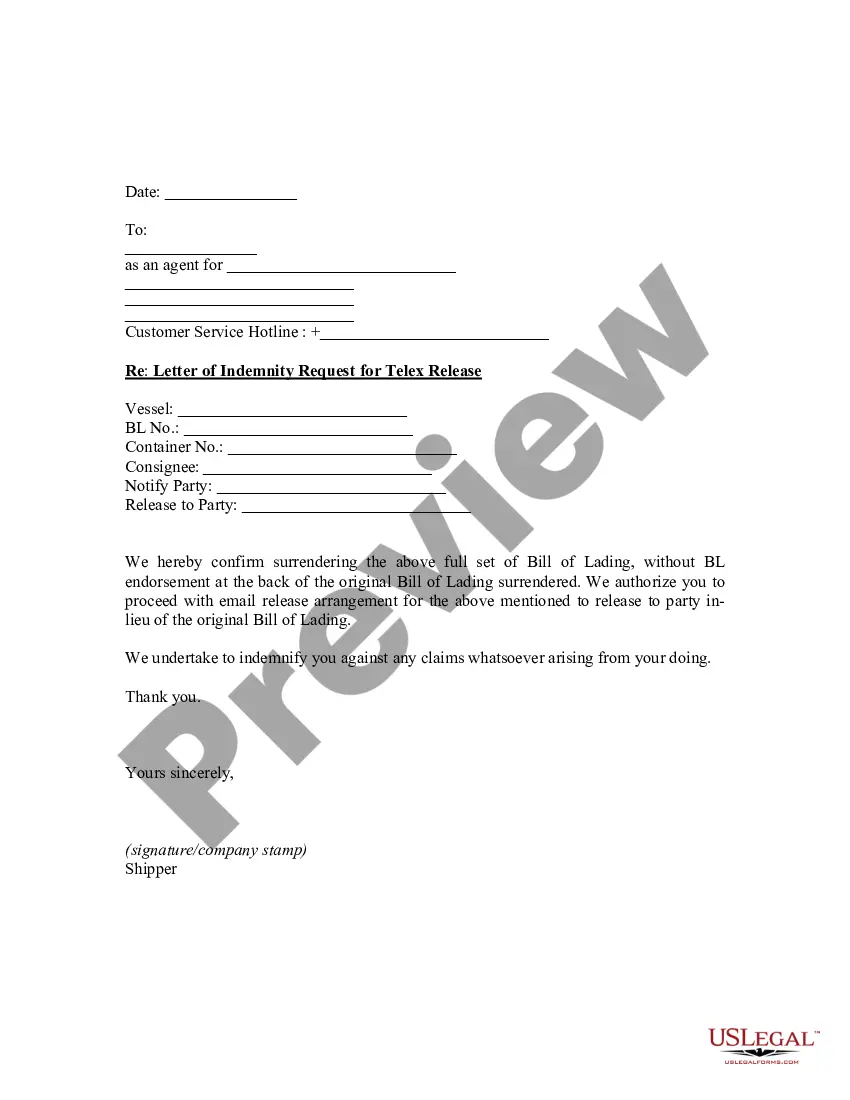
Claim Against Estate File Formal In Pennsylvania
Description


Get your form ready online
Our built-in tools help you complete, sign, share, and store your documents in one place.
Make edits, fill in missing information, and update formatting in US Legal Forms—just like you would in MS Word.
Download a copy, print it, send it by email, or mail it via USPS—whatever works best for your next step.
Sign and collect signatures with our SignNow integration. Send to multiple recipients, set reminders, and more. Go Premium to unlock E-Sign.
If this form requires notarization, complete it online through a secure video call—no need to meet a notary in person or wait for an appointment.
We protect your documents and personal data by following strict security and privacy standards.

Make edits, fill in missing information, and update formatting in US Legal Forms—just like you would in MS Word.

Download a copy, print it, send it by email, or mail it via USPS—whatever works best for your next step.

Sign and collect signatures with our SignNow integration. Send to multiple recipients, set reminders, and more. Go Premium to unlock E-Sign.

If this form requires notarization, complete it online through a secure video call—no need to meet a notary in person or wait for an appointment.

We protect your documents and personal data by following strict security and privacy standards.
Looking for another form?




Form popularity
FAQ
Time Frame For Suing An Estate The California statute of limitations requires filing the lawsuit within 40 days from the defendant's death. Missing this timeline can affect the outcome of the case.
Creditors have a maximum of one year from the time of publication in order to recover claims against that personal representative. After this one-year period has passed, the creditor is only able to obtain those estate assets that were not distributed prior to getting notice of the claim as outlined under 20 Pa. C.S.
Creditors have a maximum of one year from the time of publication in order to recover claims against that personal representative. After this one-year period has passed, the creditor is only able to obtain those estate assets that were not distributed prior to getting notice of the claim as outlined under 20 Pa. C.S.
Aside from sending initial notice of probate to prospective creditors, executors must also: Collect information about the deceased person's outstanding debt. Investigate sources of debt that aren't listed in the decedent's estate plan, often by reviewing physical files, email accounts, and other correspondence.
Federal and state laws allow for creditor attachment to an estate. A lien claim is a debt collection order that can impact the value of an estate when become effective.
Even after an estate has been distributed, a creditor of any unexpired debt may make a claim against the recipients of any personal property (i.e., not real estate), for up to one year following the first publication of the required notice to creditors. After one year has passed, such claims are barred.
--No claimant shall have any claim against real property conveyed by a personal representative in distribution at his own risk pursuant to subsection (a) hereof, unless such claimant, within one year after the decedent's death, files a written notice of his claim with the clerk.
Settling an uncontested estate takes anywhere from 9 months to 18 months.
An attorney can help you sue their estate for your damages. It is not possible to literally file a lawsuit against someone who has passed away. Instead, your lawyer can help you sue the estate of the person you believe is responsible for your injuries and damages.