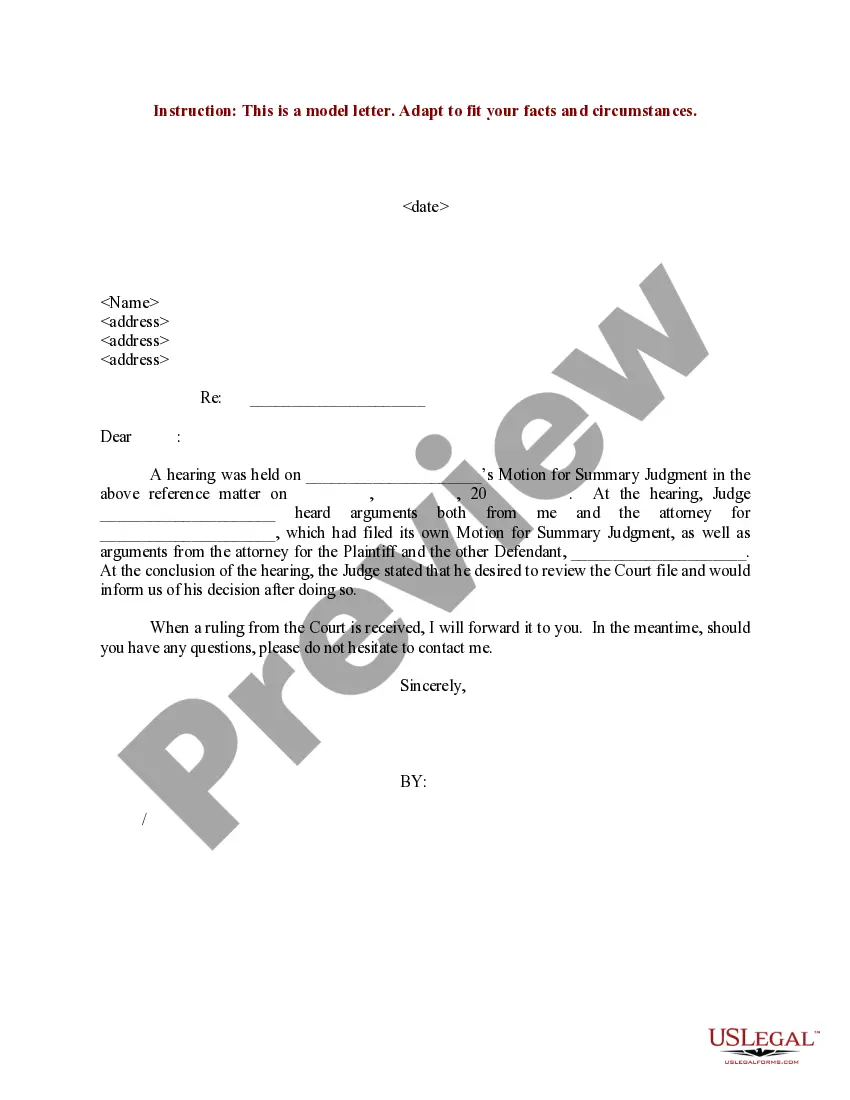
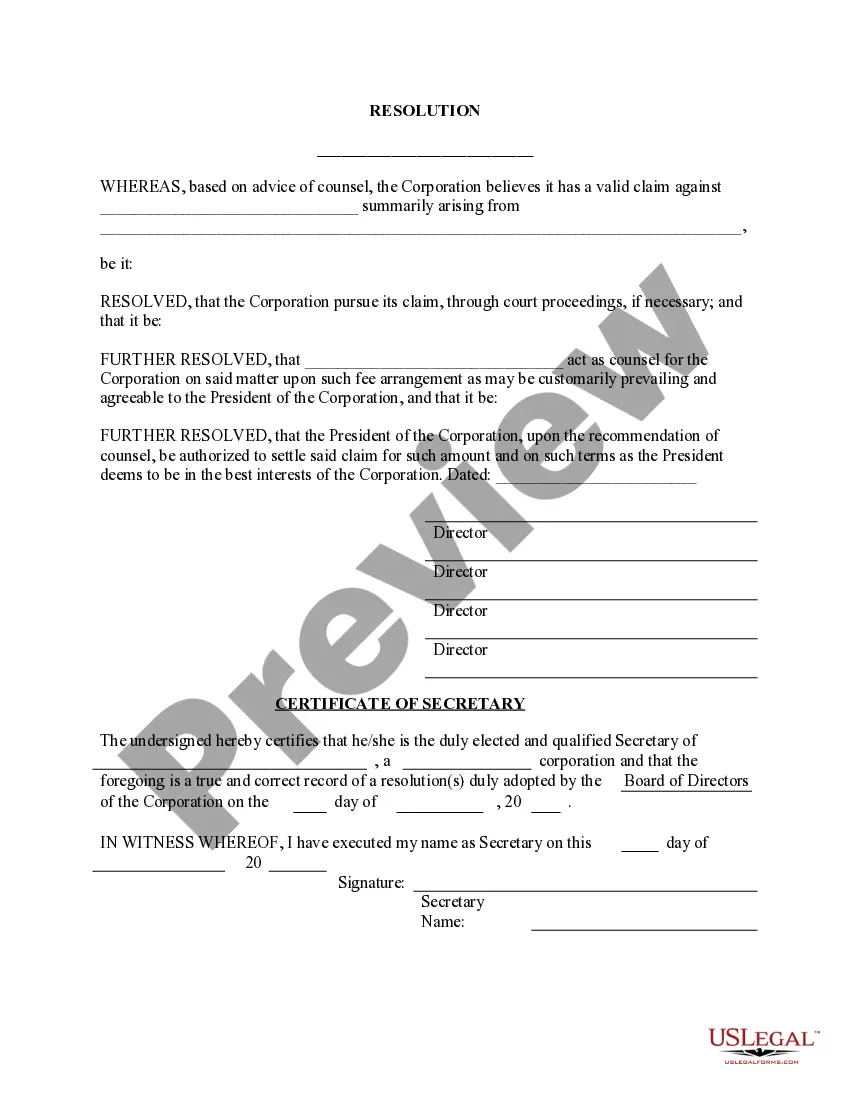
Claim Against Executor Of Estate Without Will In Ohio
Description


Get your form ready online
Our built-in tools help you complete, sign, share, and store your documents in one place.
Make edits, fill in missing information, and update formatting in US Legal Forms—just like you would in MS Word.
Download a copy, print it, send it by email, or mail it via USPS—whatever works best for your next step.
Sign and collect signatures with our SignNow integration. Send to multiple recipients, set reminders, and more. Go Premium to unlock E-Sign.
If this form requires notarization, complete it online through a secure video call—no need to meet a notary in person or wait for an appointment.
We protect your documents and personal data by following strict security and privacy standards.

Make edits, fill in missing information, and update formatting in US Legal Forms—just like you would in MS Word.

Download a copy, print it, send it by email, or mail it via USPS—whatever works best for your next step.

Sign and collect signatures with our SignNow integration. Send to multiple recipients, set reminders, and more. Go Premium to unlock E-Sign.

If this form requires notarization, complete it online through a secure video call—no need to meet a notary in person or wait for an appointment.

We protect your documents and personal data by following strict security and privacy standards.
Looking for another form?








Form popularity
FAQ
So, do all heirs have to agree to sell the property in Ohio? No, but it's ideal for all owners to be on the same page regarding the sale. In case of any conflict among the inheritors, a neutral third party, like a real estate attorney, is appointed to facilitate decisions.
(B)(1) Every administrator and executor, within six months after appointment, shall render a final and distributive account of the administrator's or executor's administration of the estate unless one or more of the following circumstances apply: (a) An Ohio estate tax return must be filed for the estate.
(B) Except as provided in section 2117.061 of the Revised Code, all claims shall be presented within six months after the death of the decedent, whether or not the estate is released from administration or an executor or administrator is appointed during that six-month period.
However, the deceased individual's estate may be liable for properly-presented claims. In Ohio, a creditor of a deceased person has 6 months from the person's date of death to formally present a claim for payment.
If a transaction is in the best interest of the beneficiaries and the estate and is in line with the decedent's wishes and state law, the executor can sell a property without all beneficiaries approving. The executor has the power to choose the probate lawyer and the real estate broker.
Can An Executor Sell Estate Property Without Getting Approval From All Beneficiaries? The executor can sell property without getting all of the beneficiaries to approve. However, notice will be sent to all the beneficiaries so that they know of the sale but they don't have to approve of the sale.
In Ohio, creditors typically have six months from the date of death to present their claims. It is the executor's responsibility to review and either accept or contest these claims. In addition to paying debts, the executor must also handle any necessary tax filings.
How Are Claims Against Ohio Estates Made? To the administrator or executor of the estate in a writing; To the administrator or executor of the estate in a writing and to the probate court by filing a copy of the writing with the court; or.