Settlement Against Estate Without Will In North Carolina
Description


Get your form ready online
Our built-in tools help you complete, sign, share, and store your documents in one place.
Make edits, fill in missing information, and update formatting in US Legal Forms—just like you would in MS Word.
Download a copy, print it, send it by email, or mail it via USPS—whatever works best for your next step.
Sign and collect signatures with our SignNow integration. Send to multiple recipients, set reminders, and more. Go Premium to unlock E-Sign.
If this form requires notarization, complete it online through a secure video call—no need to meet a notary in person or wait for an appointment.
We protect your documents and personal data by following strict security and privacy standards.

Make edits, fill in missing information, and update formatting in US Legal Forms—just like you would in MS Word.

Download a copy, print it, send it by email, or mail it via USPS—whatever works best for your next step.

Sign and collect signatures with our SignNow integration. Send to multiple recipients, set reminders, and more. Go Premium to unlock E-Sign.

If this form requires notarization, complete it online through a secure video call—no need to meet a notary in person or wait for an appointment.

We protect your documents and personal data by following strict security and privacy standards.
Looking for another form?
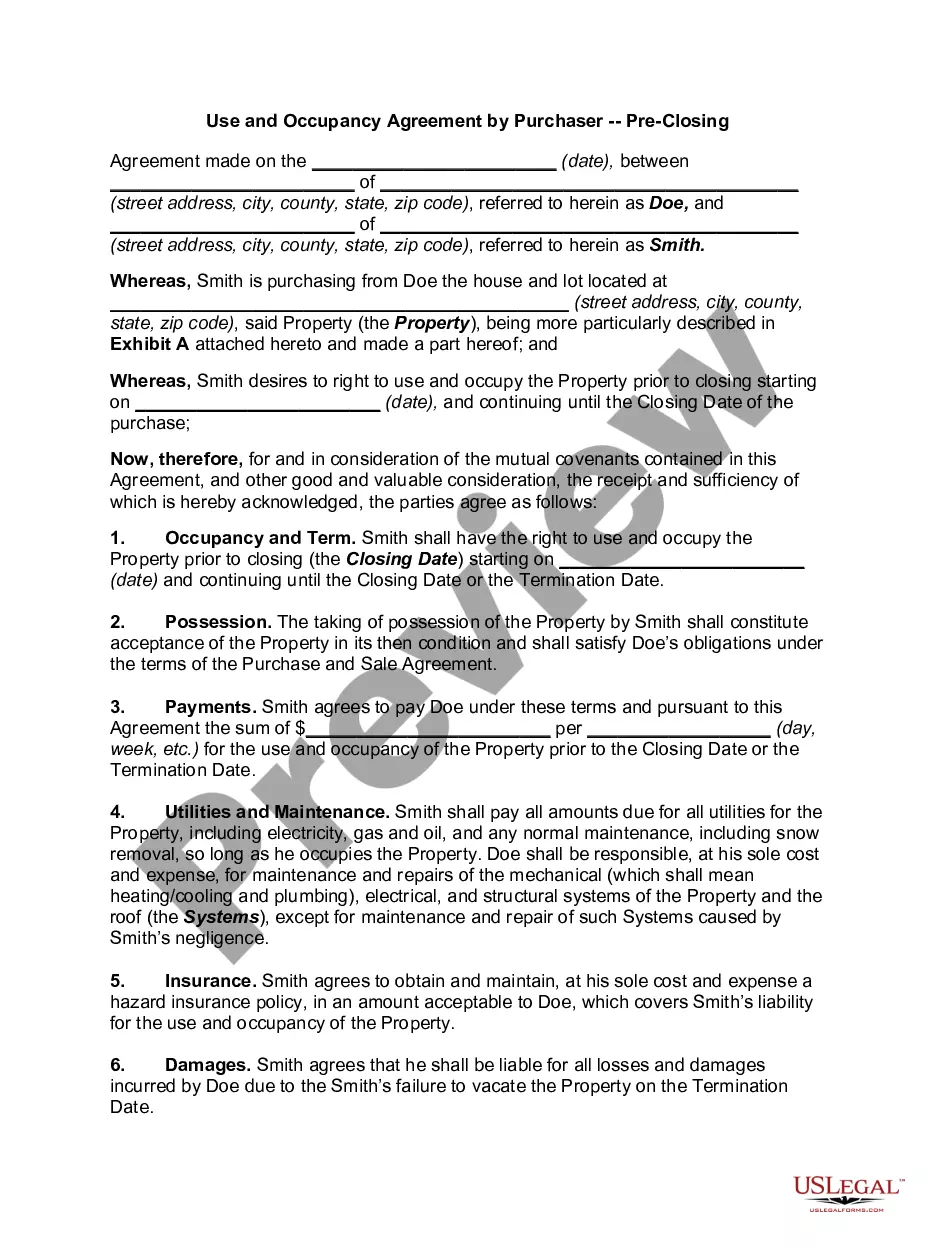
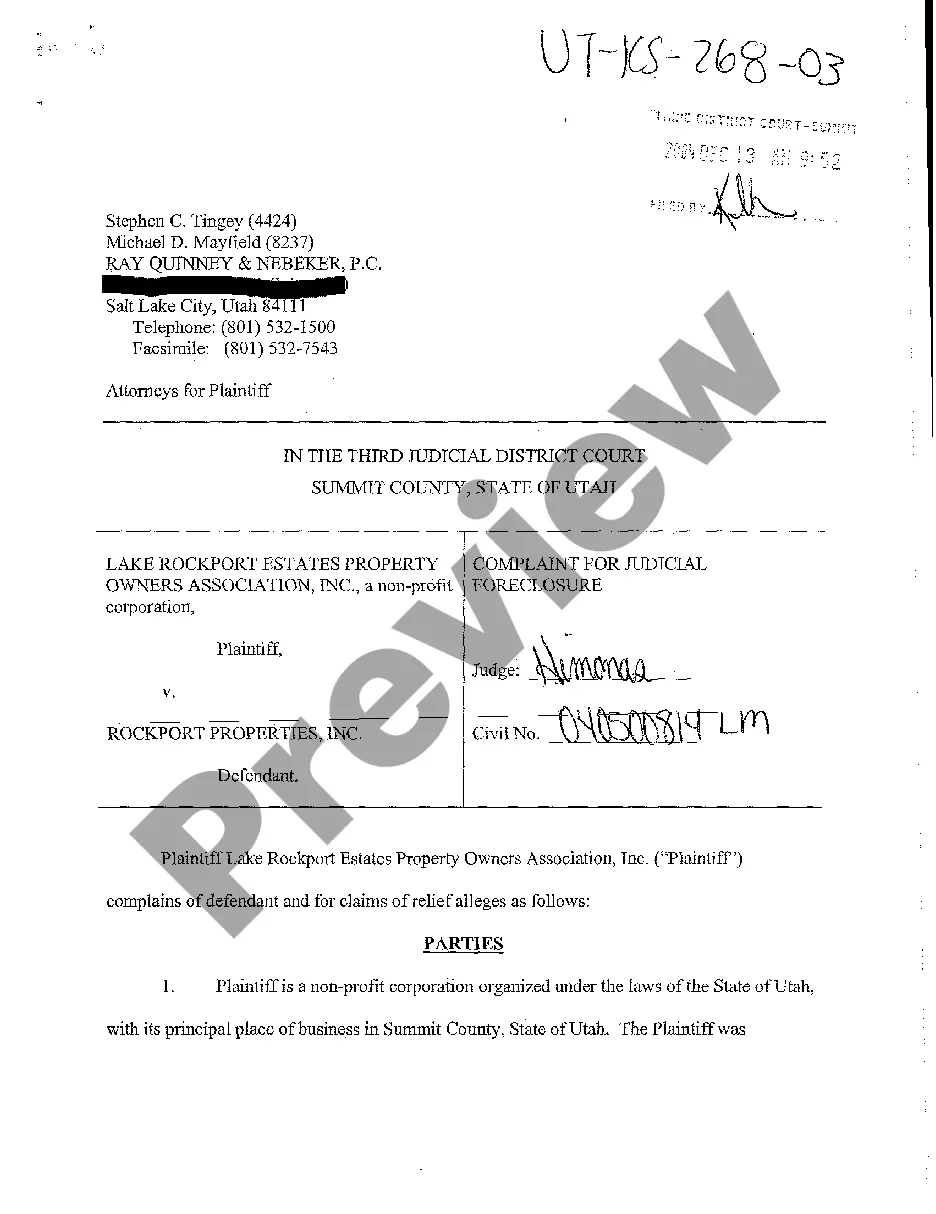
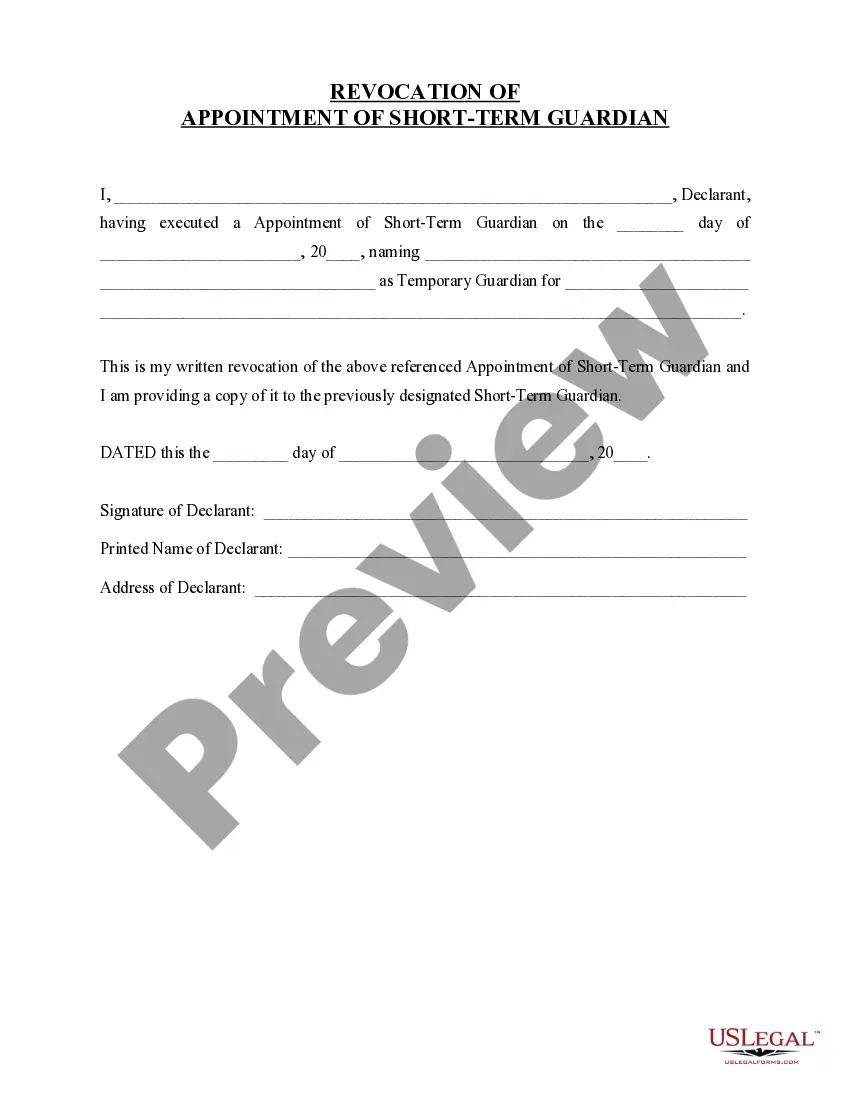

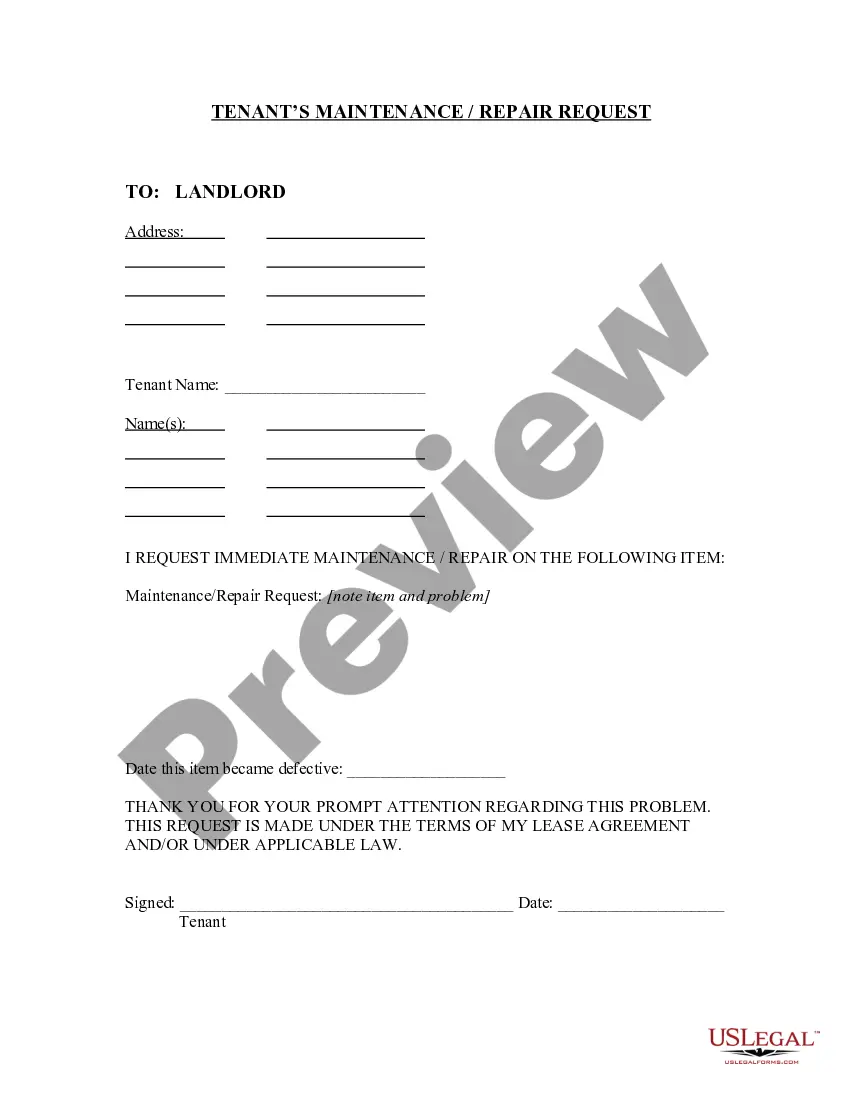


Form popularity
FAQ
If you die without a surviving spouse, your assets will generally pass to your children. If you have no children, your parents will receive the estate. This pattern continues through siblings, grandparents, aunts and uncles, and their descendants.
Understanding the Deceased Estate 3-Year Rule The core premise of the 3-year rule is that if the deceased's estate is not claimed or administered within three years of their death, the state or governing body may step in and take control of the distribution and management of the assets.
For intestate estates, during estate administration, the court will appoint an administrator (similar to an executor) to handle the process, which includes paying the deceased's debts, funeral expenses, and court and administrative fees before distributing the deceased's assets to his or her heirs.
If the decedent has none of these relatives, assets generally are distributed to family members in the following order of priority: 1) parents; 2) siblings and the children, grandchildren, etc., of deceased siblings; 3) grandparents; 4) aunts and uncles and, if deceased, their descendants.
The children of the person who has died inherit the whole estate. This applies however much the estate is worth. If there are 2 or more children, the estate will be divided equally between them.
Writing a will and naming beneficiaries are best practices that give you control over your estate. If you don't have a will, however, it's essential to understand what happens to your estate. Generally, the decedent's next of kin, or closest family member related by blood, is first in line to inherit property.
Section 28A-19-1 - Manner of presentation of claims (a) A claim against a decedent's estate must be in writing and state the amount or item claimed, or other relief sought, the basis for the claim, and the name and address of the claimant; and must be presented by one of the following methods: (1) By delivery in person ...
If you die without a surviving spouse, your assets will generally pass to your children. If you have no children, your parents will receive the estate. This pattern continues through siblings, grandparents, aunts and uncles, and their descendants.
Section 28A-19-1 - Manner of presentation of claims (a) A claim against a decedent's estate must be in writing and state the amount or item claimed, or other relief sought, the basis for the claim, and the name and address of the claimant; and must be presented by one of the following methods: (1) By delivery in person ...

