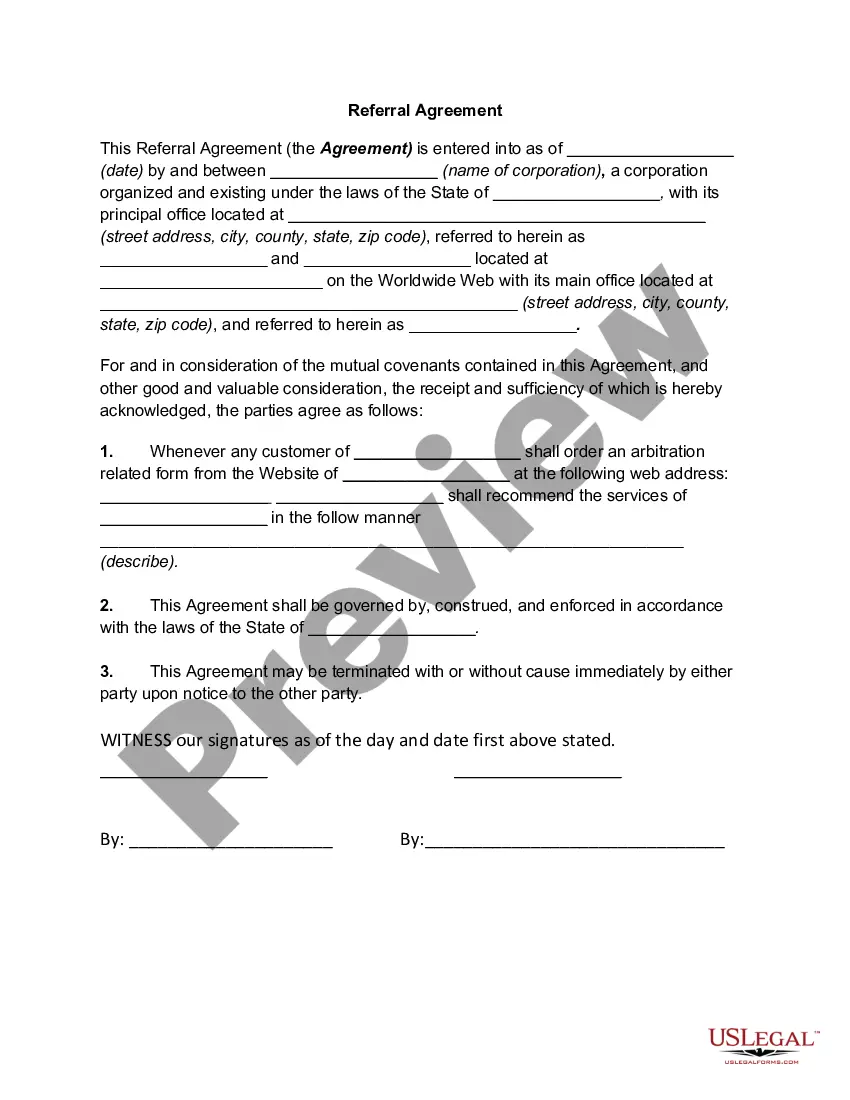
Claim Against Estate File Format In Michigan
Description


Get your form ready online
Our built-in tools help you complete, sign, share, and store your documents in one place.
Make edits, fill in missing information, and update formatting in US Legal Forms—just like you would in MS Word.
Download a copy, print it, send it by email, or mail it via USPS—whatever works best for your next step.
Sign and collect signatures with our SignNow integration. Send to multiple recipients, set reminders, and more. Go Premium to unlock E-Sign.
If this form requires notarization, complete it online through a secure video call—no need to meet a notary in person or wait for an appointment.
We protect your documents and personal data by following strict security and privacy standards.

Make edits, fill in missing information, and update formatting in US Legal Forms—just like you would in MS Word.

Download a copy, print it, send it by email, or mail it via USPS—whatever works best for your next step.

Sign and collect signatures with our SignNow integration. Send to multiple recipients, set reminders, and more. Go Premium to unlock E-Sign.

If this form requires notarization, complete it online through a secure video call—no need to meet a notary in person or wait for an appointment.

We protect your documents and personal data by following strict security and privacy standards.
Looking for another form?





Form popularity
FAQ
An estate cannot be closed in less than five months from filing. The estate's creditors must be notified of the decedent's death. They are given a four-month period to file their claims against the estate.
The proof of claim form is Official Bankruptcy Form 410. You can print off the form from the courts website. You can also obtain a copy of the form at the Intake counter of the Clerk's Office. In Detroit, the Intake counter is located on the 21st floor of the Bankruptcy Court.
(a) Within 4 months after the date of the publication of notice to creditors. (b) If the personal representative first knows of an estate creditor less than 28 days before the expiration of the time limit in subdivision (a), within 28 days after the personal representative first knows of the creditor.
(g) That, if the estate is not settled within 1 year after the personal representative's appointment, within 28 days after the anniversary of the appointment, the personal representative must file with the court and send to each interested person a notice that the estate remains under administration and must specify ...
Beneficiaries or heirs have the right to review the estate's accounting and either approve or challenge it. Once they give their approval, the assets can be distributed. After all debts and taxes have been settled, the executor can submit a petition to the probate court to close the estate.
Report the estate to the office of the Master of the High Court. This is usually done by the family of the deceased, or the executor of the estate. The Master's office issues the Letters of Executorship, giving the executor authority to wind-up the deceased estate.
When an estate is under unsupervised administration, it can be closed with a Petition for Complete Estate Settlement . Or you can use the Sworn Statement to Close Unsupervised Administration to close the estate. But you will also need to file a Certificate of Completion .
An estate cannot be closed in less than five months from filing. The estate's creditors must be notified of the decedent's death. They are given a four-month period to file their claims against the estate.