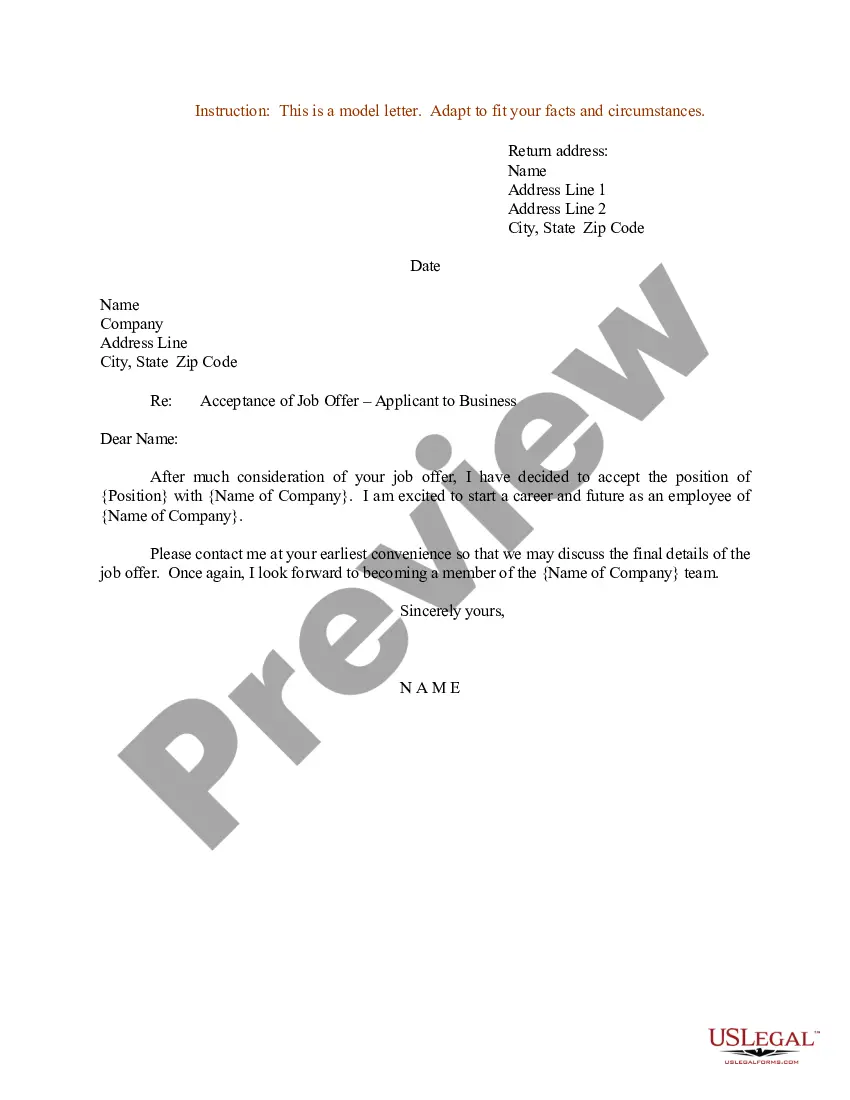
Sample Claim Statement With Case Laws In Massachusetts
Description


Get your form ready online
Our built-in tools help you complete, sign, share, and store your documents in one place.
Make edits, fill in missing information, and update formatting in US Legal Forms—just like you would in MS Word.
Download a copy, print it, send it by email, or mail it via USPS—whatever works best for your next step.
Sign and collect signatures with our SignNow integration. Send to multiple recipients, set reminders, and more. Go Premium to unlock E-Sign.
If this form requires notarization, complete it online through a secure video call—no need to meet a notary in person or wait for an appointment.
We protect your documents and personal data by following strict security and privacy standards.

Make edits, fill in missing information, and update formatting in US Legal Forms—just like you would in MS Word.

Download a copy, print it, send it by email, or mail it via USPS—whatever works best for your next step.

Sign and collect signatures with our SignNow integration. Send to multiple recipients, set reminders, and more. Go Premium to unlock E-Sign.

If this form requires notarization, complete it online through a secure video call—no need to meet a notary in person or wait for an appointment.

We protect your documents and personal data by following strict security and privacy standards.
Looking for another form?








Form popularity
FAQ
Small claims basics Generally, you can only sue for up to $12,500 in small claims court (or up to $6,250 if you're a business). You can ask a lawyer for advice before you go to court, but you can't have one with you in court. Starting November 1, 2021, you can sue or be sued for COVID-19 rental debt in small claims.
Small claims court is an informal and inexpensive forum to help you settle disputes of $7,000 or less. There are a few exceptions: If your case is based upon property damage sustained in an automobile accident, the award may exceed $7,000.
Small claims courts provide a simple, informal and inexpensive option for resolving cases where the claim is $7,000 or less. You may only bring a small claim in the court for the location where either the plaintiff or the defendant lives or has a place of business or employment.
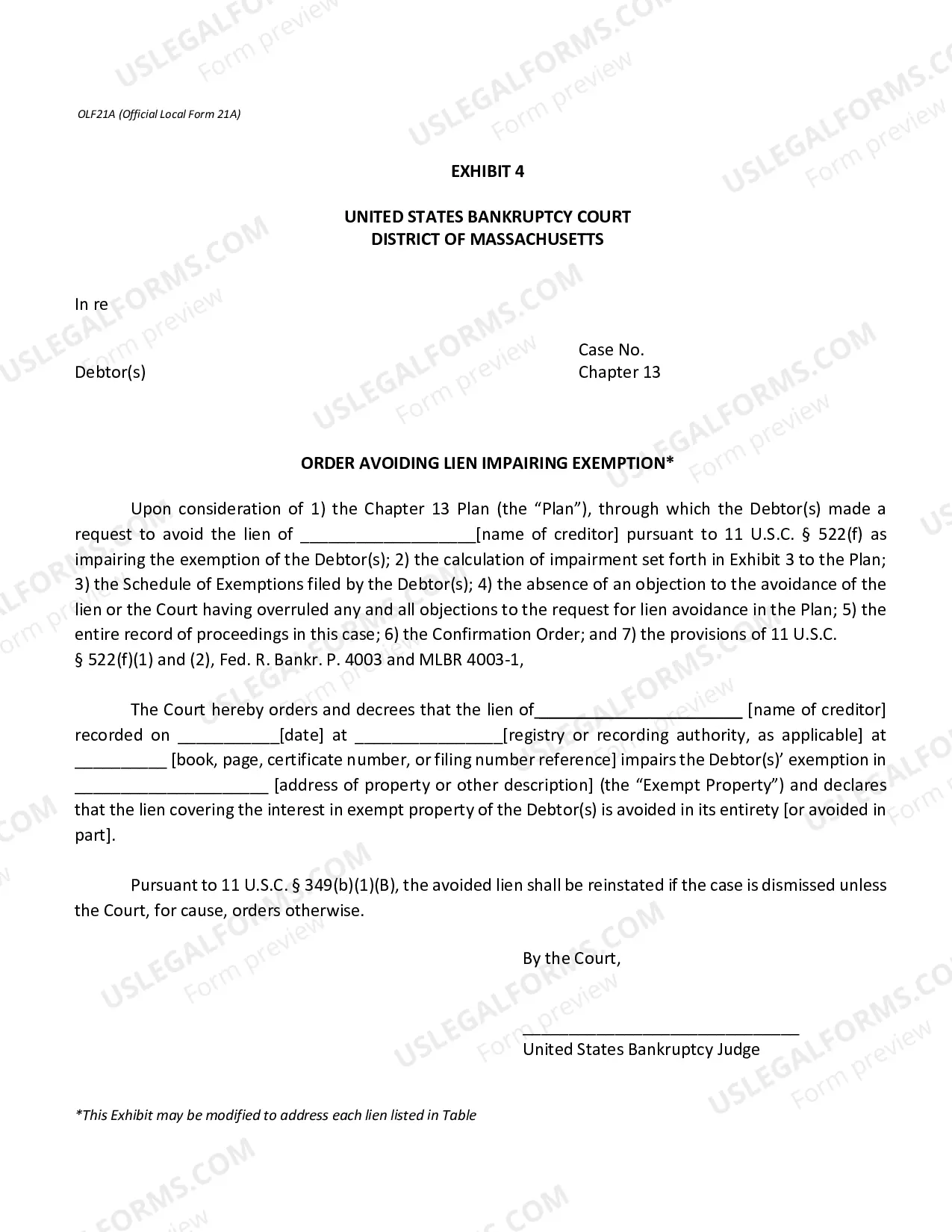
A Statement of Claim should outline your case against the Defendant(s). It must set out (1) the facts of the case, (2) the legal basis for the claim, and (3) the relief you are seeking, including the amount of damages claimed.
To file suit, you must fill out a Statement of Claim and Notice form. Get this from the Small Claims Clerk in your district. Your claim may be filed in person or by mail. However, when the papers are sent by mail to the clerk, the action is not commenced until the papers are actually received.
The Trial Court is committed to: • fair and impartial administration of justice; • protection of constitutional and statutory rights and liberties; • equal access to justice for all in a safe and dignified environment with policies and practices that strengthen and support diversity, equity, and inclusion; • efficient, ...
If you're writing your own answer, it should include: The name of the court (in this case, Probate and Family Court) The division of the court. The docket number. The plaintiff's name (this is the person who filed the complaint) v. The defendant's name (this is you) and any other defendant listed on the complaint.