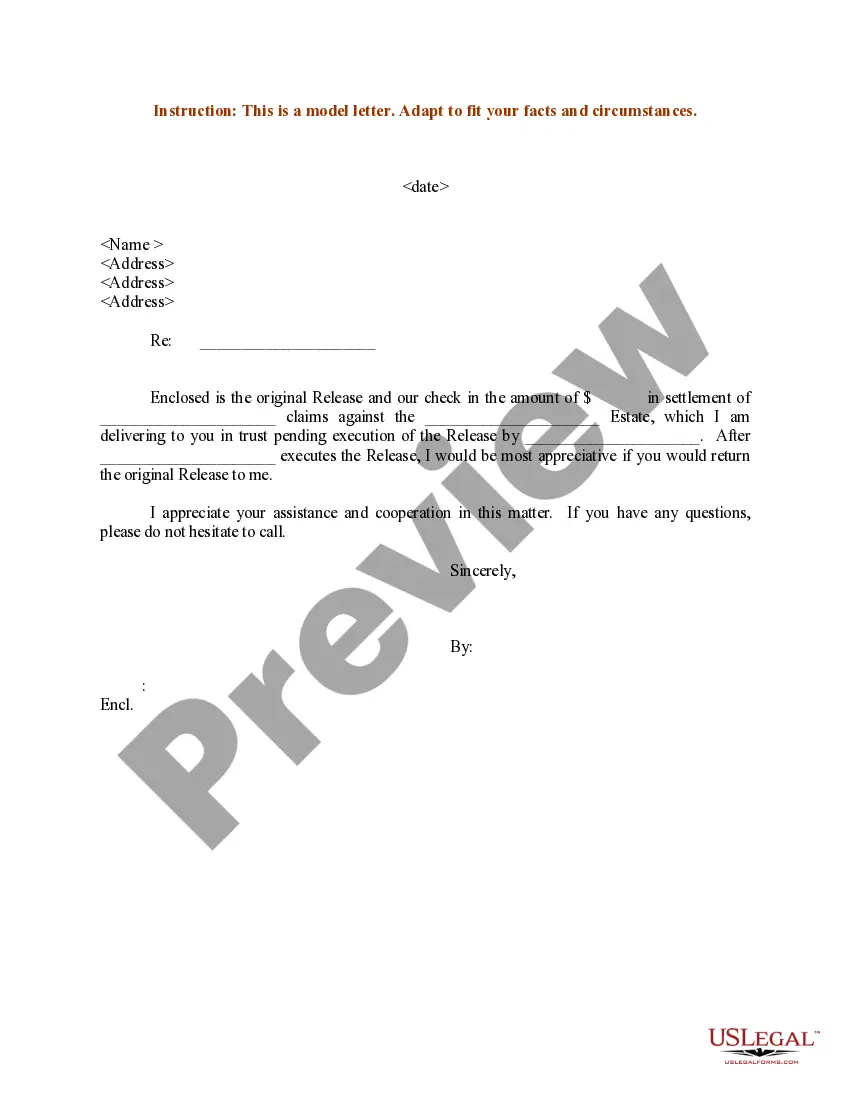
Executor Of Estate Form After Death Format In Maryland
Description
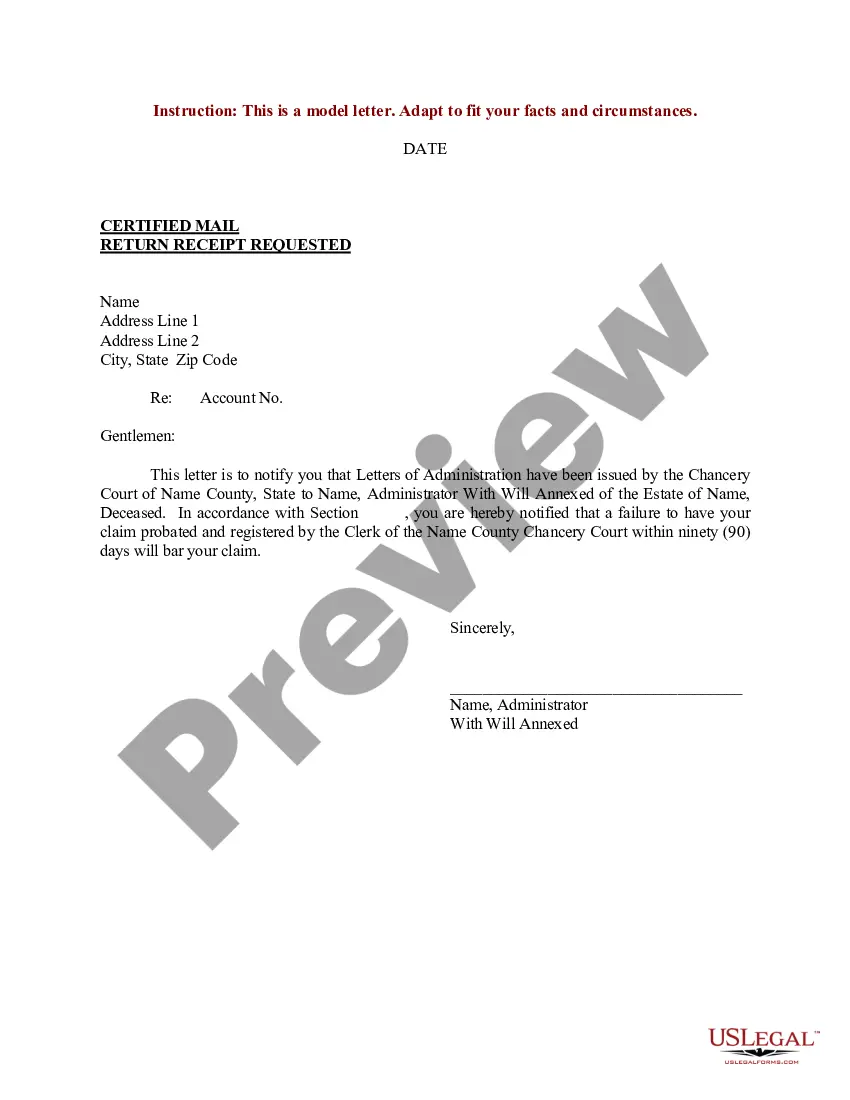
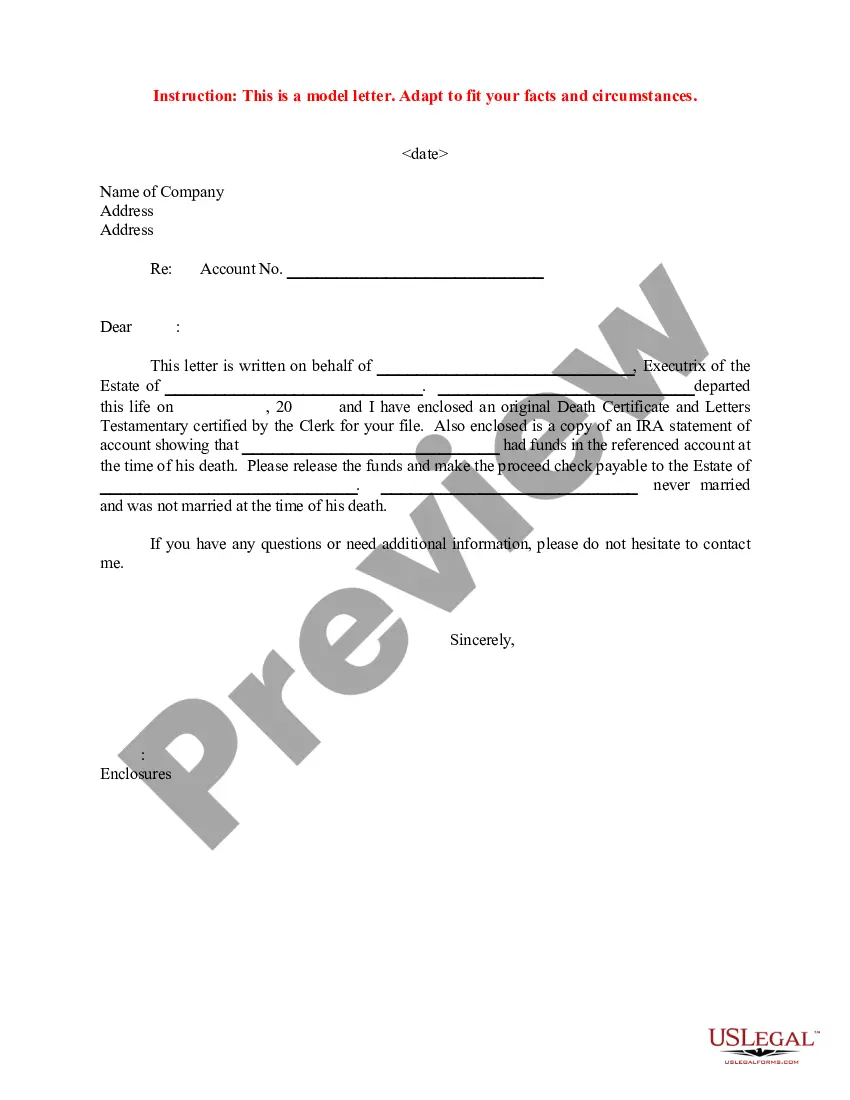
Get your form ready online
Our built-in tools help you complete, sign, share, and store your documents in one place.
Make edits, fill in missing information, and update formatting in US Legal Forms—just like you would in MS Word.
Download a copy, print it, send it by email, or mail it via USPS—whatever works best for your next step.
Sign and collect signatures with our SignNow integration. Send to multiple recipients, set reminders, and more. Go Premium to unlock E-Sign.
If this form requires notarization, complete it online through a secure video call—no need to meet a notary in person or wait for an appointment.
We protect your documents and personal data by following strict security and privacy standards.

Make edits, fill in missing information, and update formatting in US Legal Forms—just like you would in MS Word.

Download a copy, print it, send it by email, or mail it via USPS—whatever works best for your next step.

Sign and collect signatures with our SignNow integration. Send to multiple recipients, set reminders, and more. Go Premium to unlock E-Sign.

If this form requires notarization, complete it online through a secure video call—no need to meet a notary in person or wait for an appointment.

We protect your documents and personal data by following strict security and privacy standards.
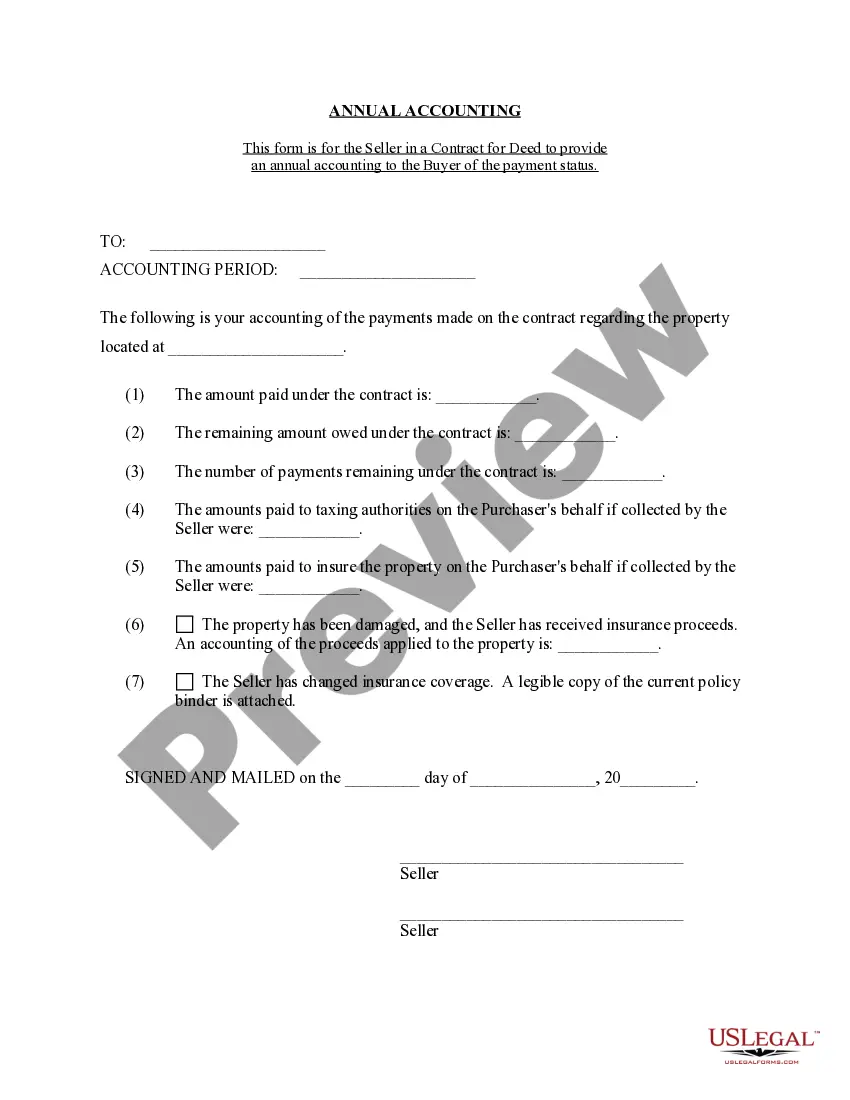
Looking for another form?
Form popularity
FAQ
Within 10 Months from the date of appointment of the personal representative. The personal representative may obtain up to two 3-month extensions to file the Final Report. Within 12 Months from the date of appointment of the personal representative, final distribution of the estate shall be made.
Becoming an Executor A common misunderstanding is that nomination in the decedent's last will and testament alone enables the individual to act on behalf of the estate. A nominated personal representative must petition the orphan's court of the proper county to be appointed to serve as the personal representative.
Maryland Law requires that any one holding an original Will and/or Codicil(s) must file that document with the Register of Wills promptly after a decedent's death even if there are no assets. However, although the Will and/or Codicil are kept on file, no probate proceedings are required to be opened.
Personal Representative: the person appointed to administer the estate (often referred to as executor or administrator).
This means that person who is nominated as Personal Representative in a will has the highest priority under the law, because the decedent documented. If there is no will, the highest priority is the surviving spouse, then children.
Executor/Executrix – Old terminology (still used in some states) which refers to the person appointed to handle a decedent's final affairs (current term under Maryland law is Personal Representative).
Given the magnitude of the responsibilities and the intimacy of the role, you may want to name a close friend or relative as executor, someone who fully understands and respects your wishes, as well as those of your beneficiaries, and who might handle your sentimental heirlooms and other property more sensitively than ...
The Personal Representative is responsible for identifying probate assets (assets in the sole name of the decedent), filing the necessary forms and tax returns required by Law, paying from the estate assets administration expenses, valid creditor claims (including funeral expenses) and taxes (if there are any), and ...