Filing A Claim Against An Estate In Nj In King
Description
Get your form ready online
Our built-in tools help you complete, sign, share, and store your documents in one place.
Make edits, fill in missing information, and update formatting in US Legal Forms—just like you would in MS Word.
Download a copy, print it, send it by email, or mail it via USPS—whatever works best for your next step.
Sign and collect signatures with our SignNow integration. Send to multiple recipients, set reminders, and more. Go Premium to unlock E-Sign.
If this form requires notarization, complete it online through a secure video call—no need to meet a notary in person or wait for an appointment.
We protect your documents and personal data by following strict security and privacy standards.
Make edits, fill in missing information, and update formatting in US Legal Forms—just like you would in MS Word.
Download a copy, print it, send it by email, or mail it via USPS—whatever works best for your next step.
Sign and collect signatures with our SignNow integration. Send to multiple recipients, set reminders, and more. Go Premium to unlock E-Sign.

If this form requires notarization, complete it online through a secure video call—no need to meet a notary in person or wait for an appointment.

We protect your documents and personal data by following strict security and privacy standards.
Looking for another form?
Form popularity
FAQ
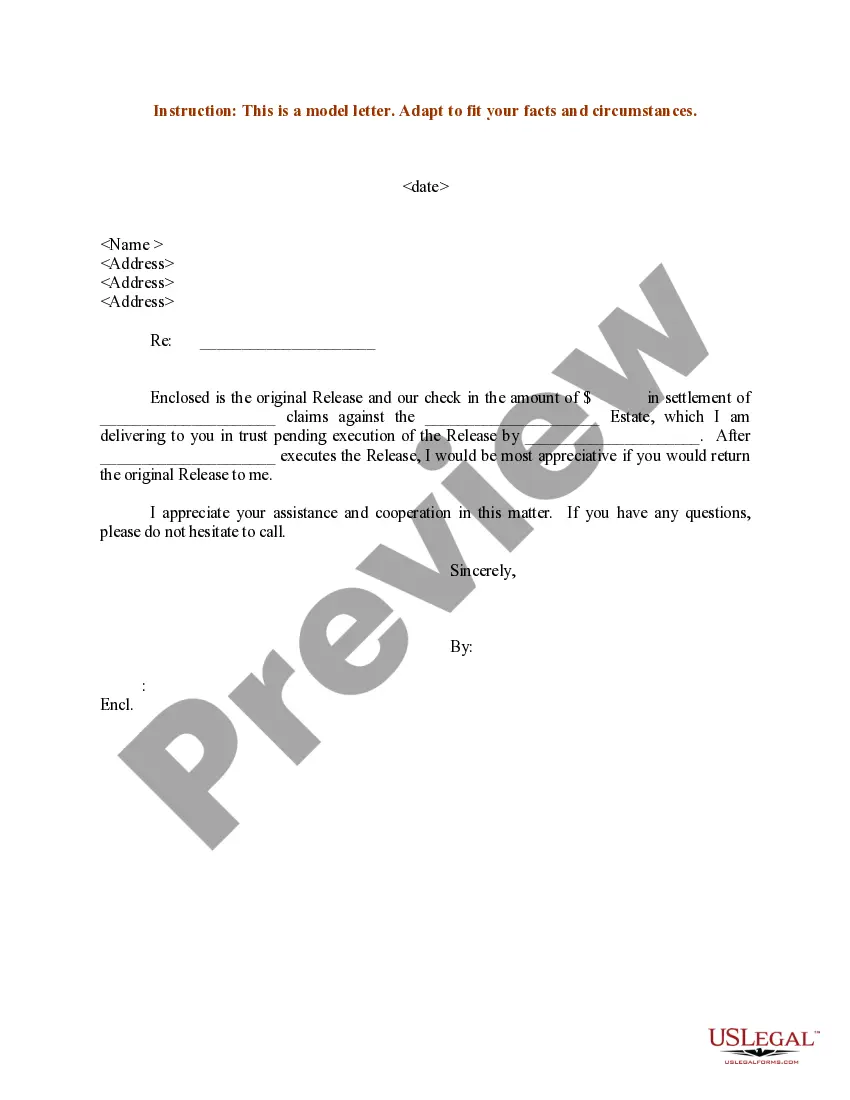
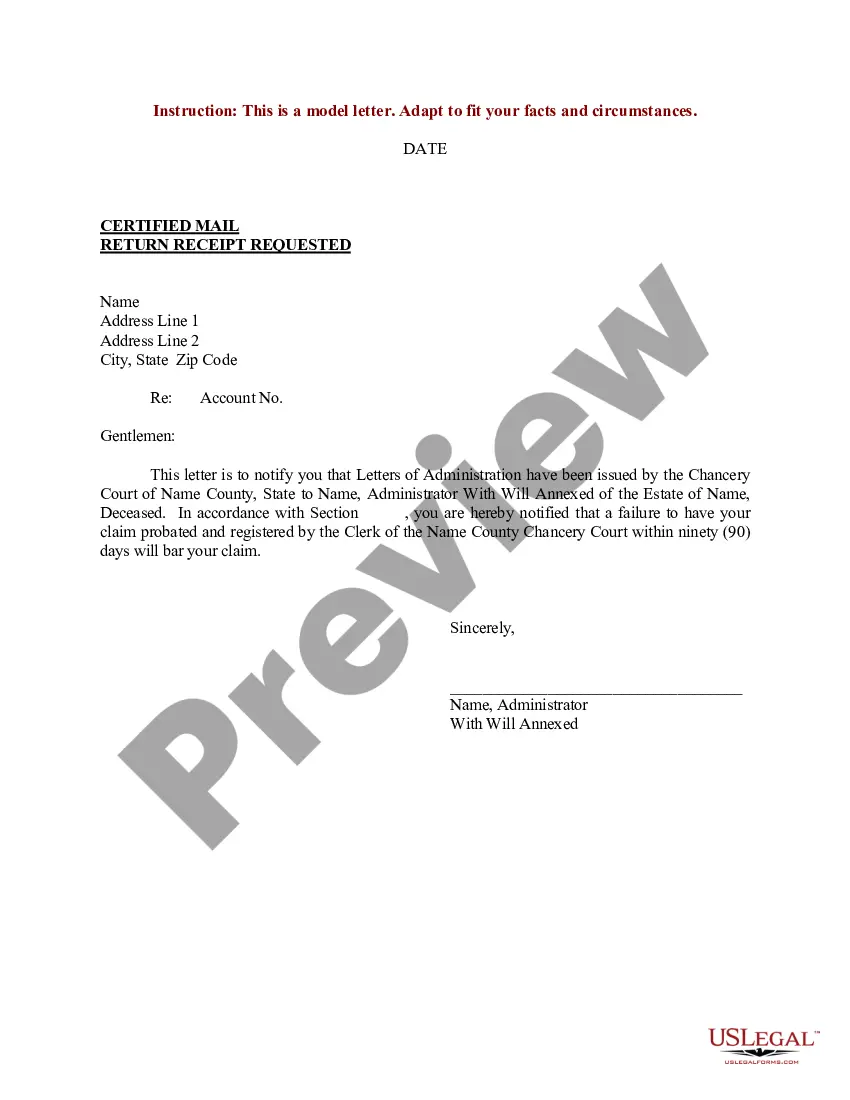
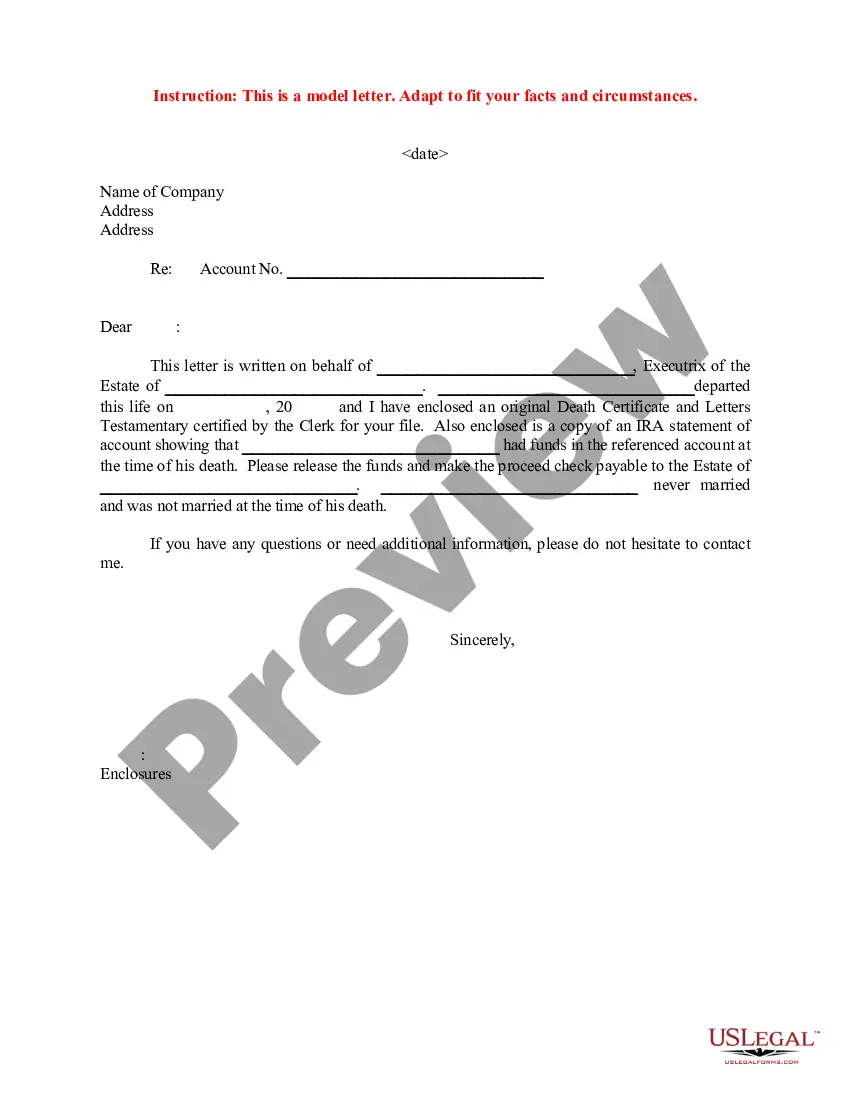
Pursuant to NJ Statute 3B:22-4, creditors of the decedent shall present their claims to the personal representative of the decedent's estate in writing and under oath, specifying the amount claimed and the particulars of the claim, within nine months from the date of the decedent's death.
Except as to proceedings which do not survive the death of the decedent, a personal representative of a decedent domiciled in this State at his death has the same standing to sue and be sued in the courts of this State and the courts of any other jurisdiction as his decedent had immediately prior to death.
Pursuant to NJ Statute 3B:22-4, creditors of the decedent shall present their claims to the personal representative of the decedent's estate in writing and under oath, specifying the amount claimed and the particulars of the claim, within nine months from the date of the decedent's death.
This 10-day period allows for the filing of a caveat by an heir at law or beneficiary in a prior last Will. The probate process is initiated with the presenting of the original Will together with a certified copy of the death certificate and list of heirs at law to the Surrogate by the named executor.
If there are no claims against the estate within nine months of the death of the deceased, the executor can distribute the assets to beneficiaries and issue a declaration of discharge. So, nine months is essentially the minimum timeline for settling estates valued at over $20,000 in New Jersey.
A creditor must present a claim to the estate within nine months of the decedent's death, and the executor or administrator has three months to accept or reject the claim. N.J.S.A. §3B:22-4,7. If the claim is rejected, the creditor can go to court to prove its claim.
After someone dies, certain individuals have a legal right to make a claim to the estate if they feel that they haven't been adequately provided for in the deceased's will. These individuals include the deceased's spouse and their children, amongst others.