Suing An Estate Executor For Misrepresentation In Franklin
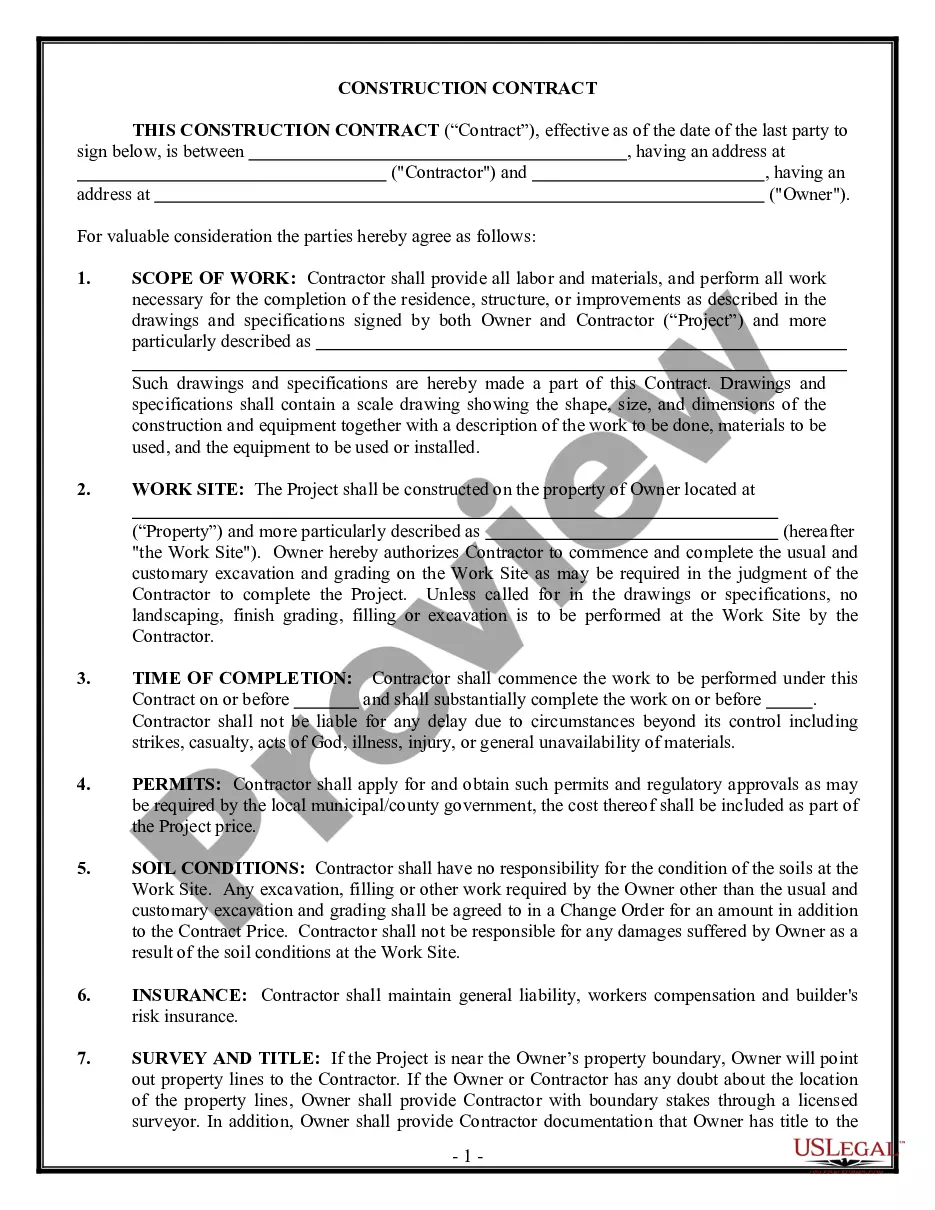
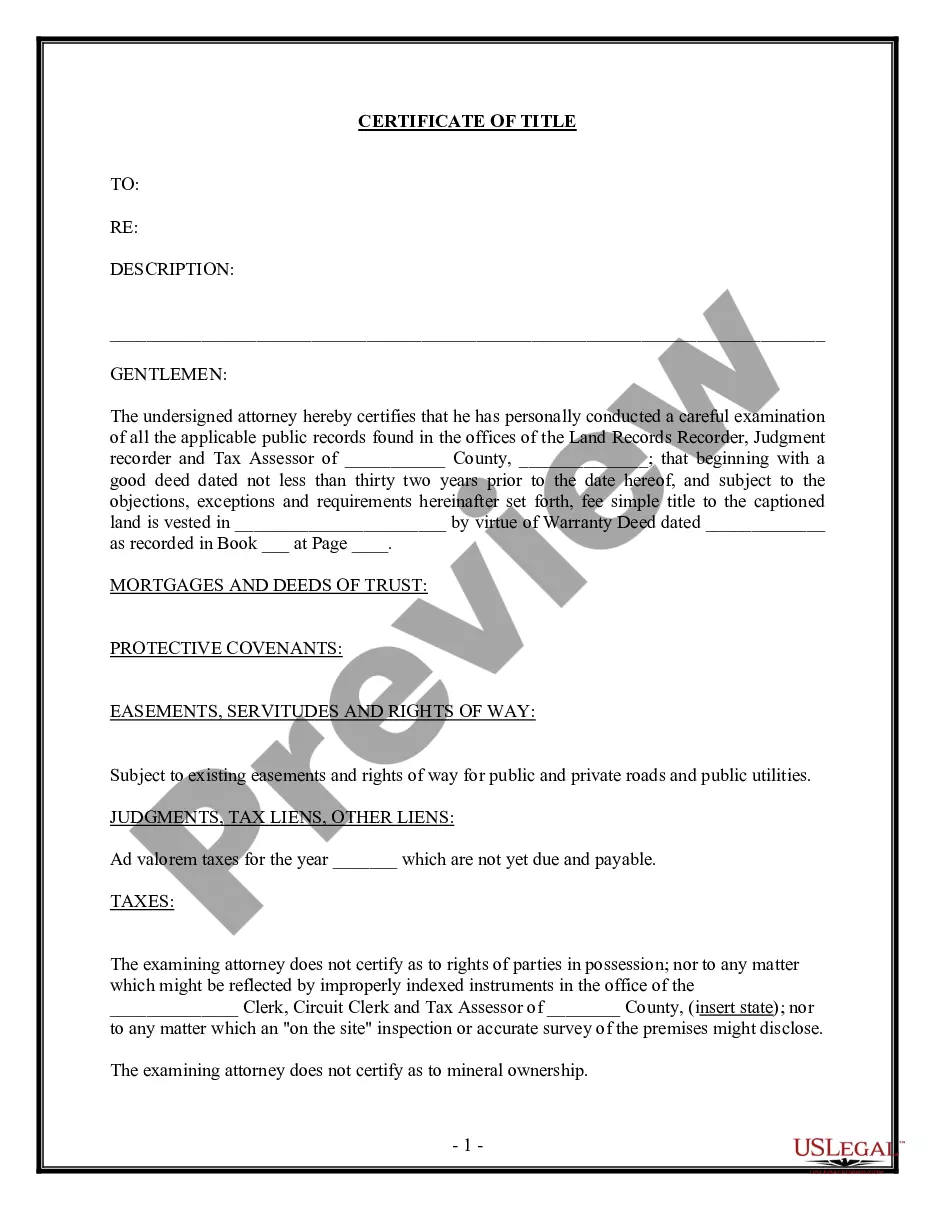
Description


Get your form ready online
Our built-in tools help you complete, sign, share, and store your documents in one place.
Make edits, fill in missing information, and update formatting in US Legal Forms—just like you would in MS Word.
Download a copy, print it, send it by email, or mail it via USPS—whatever works best for your next step.
Sign and collect signatures with our SignNow integration. Send to multiple recipients, set reminders, and more. Go Premium to unlock E-Sign.
If this form requires notarization, complete it online through a secure video call—no need to meet a notary in person or wait for an appointment.
We protect your documents and personal data by following strict security and privacy standards.

Make edits, fill in missing information, and update formatting in US Legal Forms—just like you would in MS Word.

Download a copy, print it, send it by email, or mail it via USPS—whatever works best for your next step.

Sign and collect signatures with our SignNow integration. Send to multiple recipients, set reminders, and more. Go Premium to unlock E-Sign.

If this form requires notarization, complete it online through a secure video call—no need to meet a notary in person or wait for an appointment.

We protect your documents and personal data by following strict security and privacy standards.
Looking for another form?








Form popularity
FAQ
Proving Executor Misconduct Pull the bank statements, transaction records, and communication logs. Let the evidence speak for itself. Beneficiaries or others involved in the probate process can provide detailed accounts of the executor's actions.
If you can prove to the court that the current executor is incompetent or is mishandling the affairs of the estate, the court will relieve that executor and choose a replacement. If the will names an alternate executor, that will likely be the court's choice.
A: The general time limit for contesting a Will is a few months, usually four after the beneficiaries of the estate have been notified that probate will soon commence.
The timeline for distributing funds after probate depends largely on the complexity of the estate. For straightforward estates with minimal assets, such as a single bank account and no property, beneficiaries might receive their inheritance within six months.
When a property has to be sold it is wise to use a solicitor to complete that process. The executor has to wait for at least 6 months after a death before distributing the possessions and assets.
If the concerns about the behaviour of the Executor still remain, you may be able to make an application to the Court to seek an Order for the current Executor to be removed.
Fiduciary Duty This duty requires them to be honest, fair, and diligent in managing the estate. They must avoid conflicts of interest and cannot benefit personally from their position, other than receiving any compensation specified for their services.
The most important rights of estate beneficiaries include: The right to receive the assets that were left to them in a timely manner. The right to receive information about estate administration (e.g., estate accountings) The right to request to suspend or remove an executor or administrator.
How long after probate can funds be distributed in the UK? A Personal Representative, or executor, has 365 days in which to administer the estate of the deceased and to distribute their assets to the Beneficiaries. As complex estates can take longer than a year to wind up, this isn't a strict deadline.
You are obliged to distribute the assets as soon as possible after the death. You may be sued by the beneficiaries if you do not distribute the estate within a year. You have a duty to preserve the assets of the deceased until they are distributed and to protect the assets from devaluation.

