Sample Of Court Order For Divorce In Riverside
Description


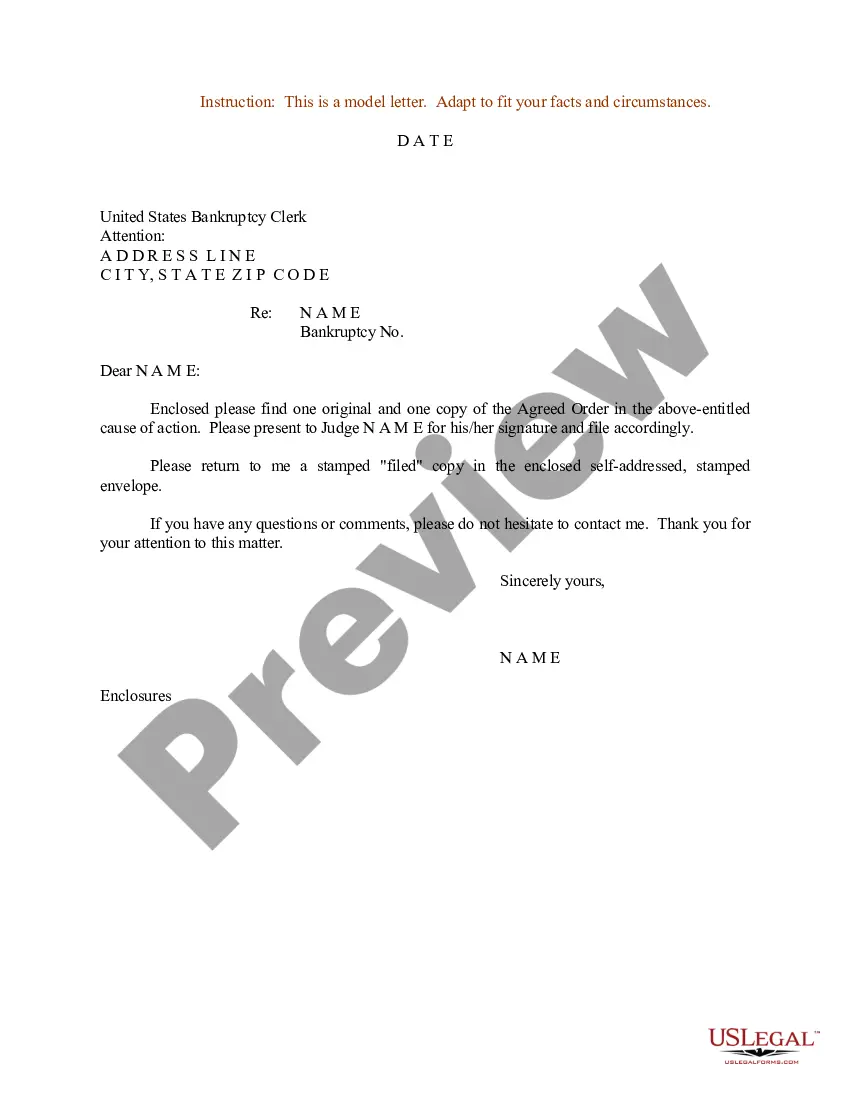
Get your form ready online
Our built-in tools help you complete, sign, share, and store your documents in one place.
Make edits, fill in missing information, and update formatting in US Legal Forms—just like you would in MS Word.
Download a copy, print it, send it by email, or mail it via USPS—whatever works best for your next step.
Sign and collect signatures with our SignNow integration. Send to multiple recipients, set reminders, and more. Go Premium to unlock E-Sign.
If this form requires notarization, complete it online through a secure video call—no need to meet a notary in person or wait for an appointment.
We protect your documents and personal data by following strict security and privacy standards.

Make edits, fill in missing information, and update formatting in US Legal Forms—just like you would in MS Word.

Download a copy, print it, send it by email, or mail it via USPS—whatever works best for your next step.

Sign and collect signatures with our SignNow integration. Send to multiple recipients, set reminders, and more. Go Premium to unlock E-Sign.

If this form requires notarization, complete it online through a secure video call—no need to meet a notary in person or wait for an appointment.

We protect your documents and personal data by following strict security and privacy standards.
Looking for another form?

Form popularity
FAQ
To start a do-it-yourself divorce in California, you must file a Petition (form FL-100) and Summons (FL-110) with the court. In addition, if you have minor children, you must submit several child-related documents.
DIY Divorce Process in California Check Your Compliance With the Residency Requirements. Collect the Court Papers. File the Paperwork With the Court. Serve Your Spouse. Wait for the Response. Complete Preliminary Financial Disclosure. Draft a Settlement Agreement and a Parenting Plan. Obtain the Final Judgment.
It takes a minimum of six months from the date of the divorce papers are served (given) to the other party before a divorce can be final. However, you are not automatically divorced at the end of six months. At least one spouse or partner must complete the required legal process and obtain a written judgment.
You can get a divorce without a lawyer. Your court's Self-Help Center staff can help you with forms and offer legal information. If you have a lot of property or debt, you can hire a lawyer to help with all or part of your case.
State courts handle divorce proceedings. To begin a divorce, one spouse files divorce forms at the county clerk's office in the courthouse. Most states have a family court division that handles divorces and other family matters. You should file the divorce papers at the courthouse nearest to your residence.
It is possible to get a divorce without going to court, especially in cases where both parties mutually agree to the divorce and its terms. This process is often referred to as an ``uncontested divorce'' or ``amicable divorce.'' Here are the key steps and considerations:
If both parties agree on all aspects of the divorce, it is considered uncontested. In an uncontested divorce, there are no disagreements between either party. The uncontested divorce would be the easiest and least expensive way to get a divorce.
It takes a minimum of six months from the date of the divorce papers are served (given) to the other party before a divorce can be final. However, you are not automatically divorced at the end of six months. At least one spouse or partner must complete the required legal process and obtain a written judgment.
Records concerning the dissolution of a marriage, such as divorce records, can be obtained from the Riverside Superior Court, where the divorce was granted. The superior court's request system allows requesters to obtain certified and non-certified copies of documents and orders related to such records.
