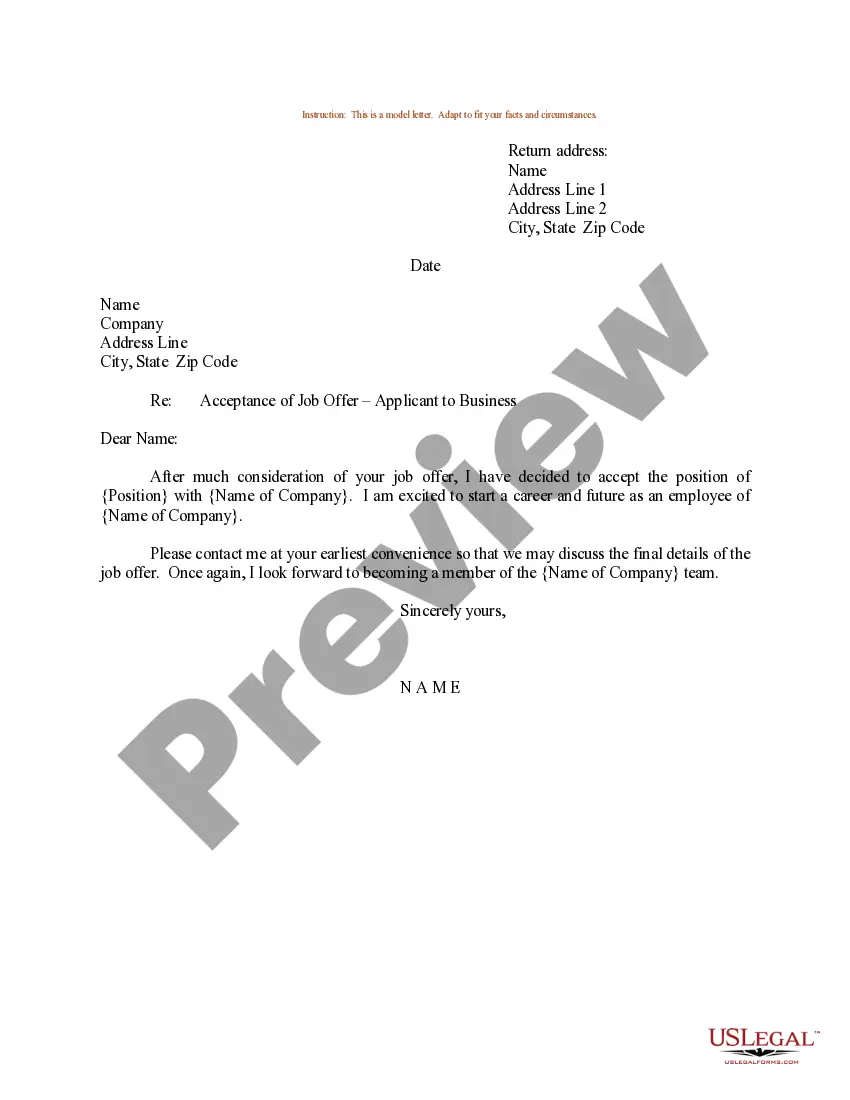
Sample Claim Statement With Negligence In Cook
Description


Get your form ready online
Our built-in tools help you complete, sign, share, and store your documents in one place.
Make edits, fill in missing information, and update formatting in US Legal Forms—just like you would in MS Word.
Download a copy, print it, send it by email, or mail it via USPS—whatever works best for your next step.
Sign and collect signatures with our SignNow integration. Send to multiple recipients, set reminders, and more. Go Premium to unlock E-Sign.
If this form requires notarization, complete it online through a secure video call—no need to meet a notary in person or wait for an appointment.
We protect your documents and personal data by following strict security and privacy standards.

Make edits, fill in missing information, and update formatting in US Legal Forms—just like you would in MS Word.

Download a copy, print it, send it by email, or mail it via USPS—whatever works best for your next step.

Sign and collect signatures with our SignNow integration. Send to multiple recipients, set reminders, and more. Go Premium to unlock E-Sign.

If this form requires notarization, complete it online through a secure video call—no need to meet a notary in person or wait for an appointment.

We protect your documents and personal data by following strict security and privacy standards.
Looking for another form?






Form popularity
FAQ
Most civil lawsuits for injuries allege the wrongdoer was negligent. To win in a negligence lawsuit, the victim must establish 4 elements: (1) the wrongdoer owed a duty to the victim, (2) the wrongdoer breached the duty, (3) the breach caused the injury (4) the victim suffered damages.
For any negligence case, your attorney must be able to establish four elements, including: (1) Duty of Care. The first thing that needs to be established is that there was a duty of care on the part of the defendant. (2) Causation. (3) Breach of Duty. (4) Damages.
Define terms, use a concrete description, and add details to make sure your reader fully understands your claim. 3. Your third sentence should contain evidence. Provide additional evidence, logic, or reasoning that proves your claim.
The elements of a negligence claim include duty, breach, causation, and damages. Negligence occurs when one person fails to exercise the care we expect of an ordinary or reasonable person in that situation. This includes protecting others from reasonable and foreseeable harm.
The steps to making a professional negligence claim Preliminary Notice. Letter of Claim. Letter of Acknowledgment. Investigations. Letter of Response and Letter of Settlement. Alternative Dispute Resolution.
The steps to making a professional negligence claim Preliminary Notice. Letter of Claim. Letter of Acknowledgment. Investigations. Letter of Response and Letter of Settlement. Alternative Dispute Resolution.
Most civil lawsuits for injuries allege the wrongdoer was negligent. To win in a negligence lawsuit, the victim must establish 4 elements: (1) the wrongdoer owed a duty to the victim, (2) the wrongdoer breached the duty, (3) the breach caused the injury (4) the victim suffered damages.
State briefly and precisely what damages or other relief the plaintiff asks the court to order. Do not make legal arguments. Include any basis for claiming that the wrongs alleged are continuing at the present time. Include the amounts of any actual damages claimed for the acts alleged and the basis for these amounts.
What is an example of professional negligence? Examples of potential negligence include: A solicitor providing negligent advice or missing an important court deadline. An accountant failing to correctly advise on tax relief or providing incorrect valuation of the business assets.
Negligence Examples: 10 of the Most Common Scenarios Car Accidents. Car accidents may lead to life-changing injuries and in some cases death. Slip and Fall Accidents. Childcare Negligence. Negligent Security. Product Liability and Defective Products. Premises Liability. Professional Negligence Example. Medical Malpractice.