Estate Claim Form For California In Collin
Description


Get your form ready online
Our built-in tools help you complete, sign, share, and store your documents in one place.
Make edits, fill in missing information, and update formatting in US Legal Forms—just like you would in MS Word.
Download a copy, print it, send it by email, or mail it via USPS—whatever works best for your next step.
Sign and collect signatures with our SignNow integration. Send to multiple recipients, set reminders, and more. Go Premium to unlock E-Sign.
If this form requires notarization, complete it online through a secure video call—no need to meet a notary in person or wait for an appointment.
We protect your documents and personal data by following strict security and privacy standards.

Make edits, fill in missing information, and update formatting in US Legal Forms—just like you would in MS Word.

Download a copy, print it, send it by email, or mail it via USPS—whatever works best for your next step.

Sign and collect signatures with our SignNow integration. Send to multiple recipients, set reminders, and more. Go Premium to unlock E-Sign.

If this form requires notarization, complete it online through a secure video call—no need to meet a notary in person or wait for an appointment.

We protect your documents and personal data by following strict security and privacy standards.
Looking for another form?



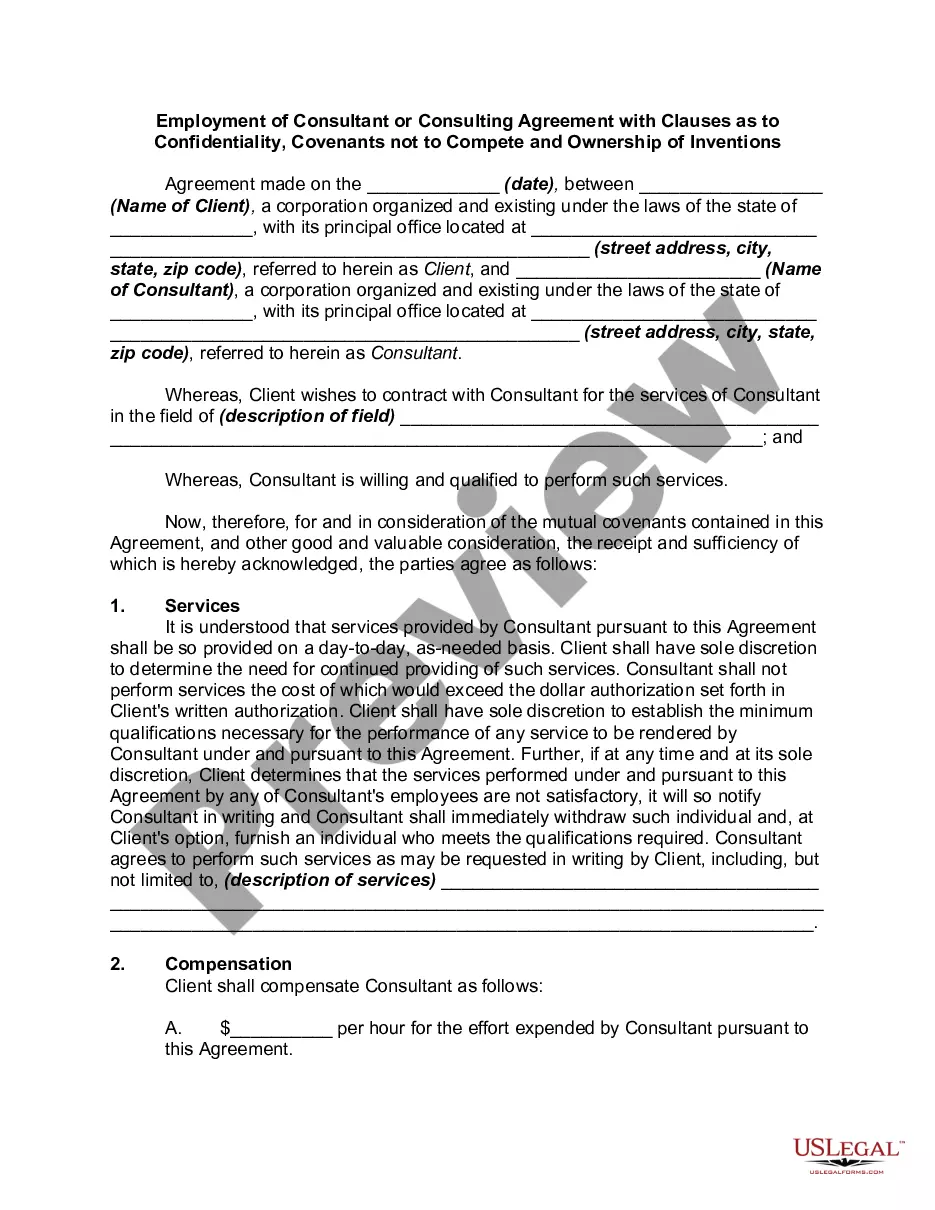
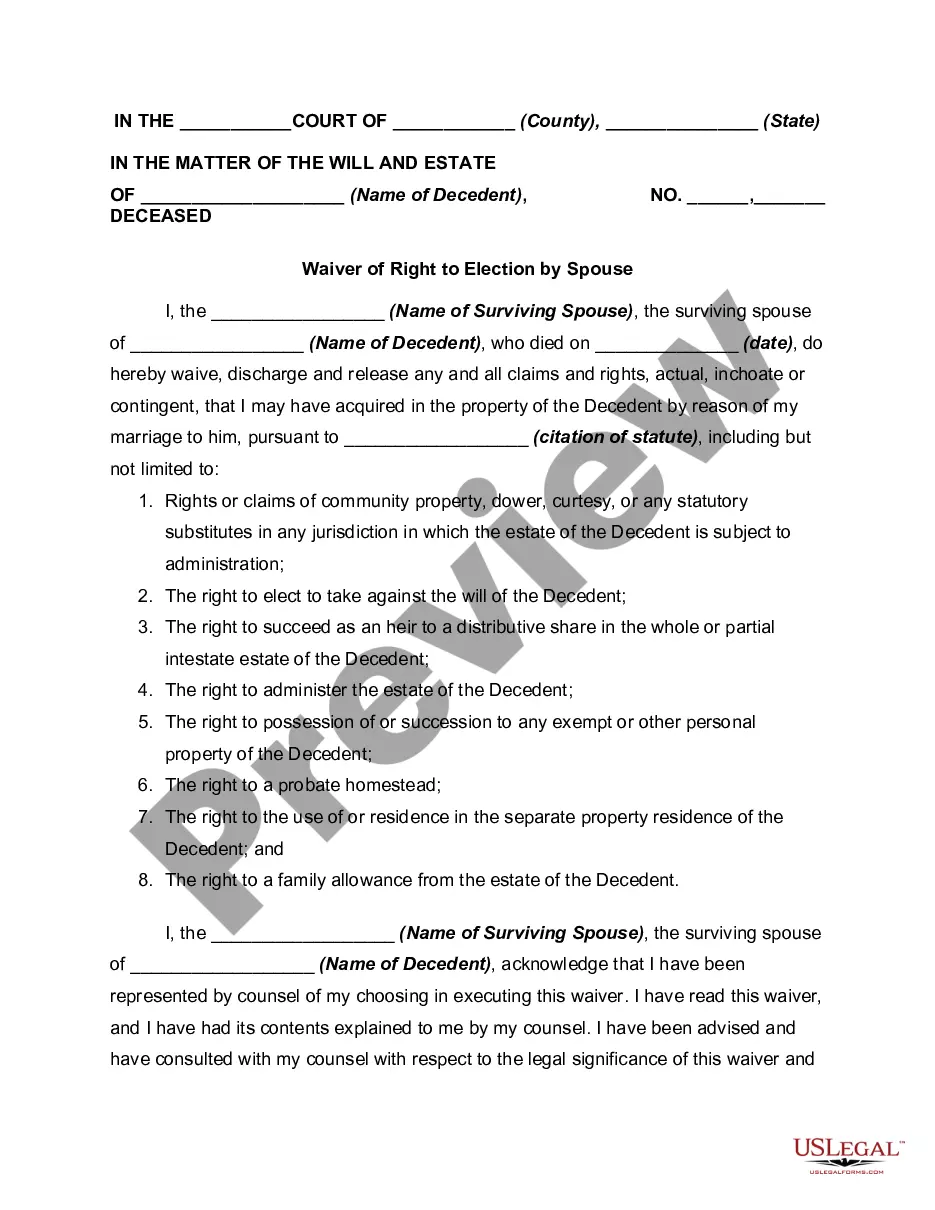





Form popularity
FAQ
It is here that it is determined if probate is required. If the total of all assets of the estate is below $166,250 or if there aren't any assets that require a complex transfer, the estate may not require a probate in California.
Filing the Affidavit of Assets and Means This affidavit must include details of the parties' income, assets, and liabilities. The affidavit is a sworn statement by the parties, and it is used by the court to assess the parties' financial resources and needs.
Overview of a probate case Open a case. You (the person who starts the case) are called the “petitioner." You must file forms with the court to “open probate.” You file a Petition for Probate (form DE-111) along with other court forms. Administer the estate. Close the estate.
You may be able to use a Small Estate Affidavit to have the property transferred to you. You give this Affidavit to the person, company, or financial institution (such as a bank) that has the property so that they can legally transfer it to your name.
Make sure you qualify to use this process For example, if the decedent died on April 1, 2022, or later, the estate is small if it is valued at $184,500 or less. If the decedent died before April 1, 2022, the estate is small if it is valued at $166,250 or less.
What's a California general affidavit? An affidavit is a written statement you're asserting is true. Affidavits can be used for many reasons, such as in court cases as evidence and outside of court to verify facts in a business transaction (for instance, if you need to assure a buyer you own what you're selling them).
A Small Estate Affidavit is a legal statement used in California that allows heirs or beneficiaries to claim a deceased individual's estate, specifically if it consists of limited assets such as vehicles, jewelry, or small bank accounts, without a lengthy probate process.
Generally, in California creditors of a decedent's estate have up to one year (365 days) from the decedent's death to file a timely creditor claim. The claim must be filed inside an open probate court proceeding.
Can You Sue A Deceased Person? The short answer to this question in California is yes. Two sets of California statutes set out the applicable law under these circumstances: Code of Civil Procedure Sections 337.40 through 377.42; and Probate Code Sections 550 through 554.

