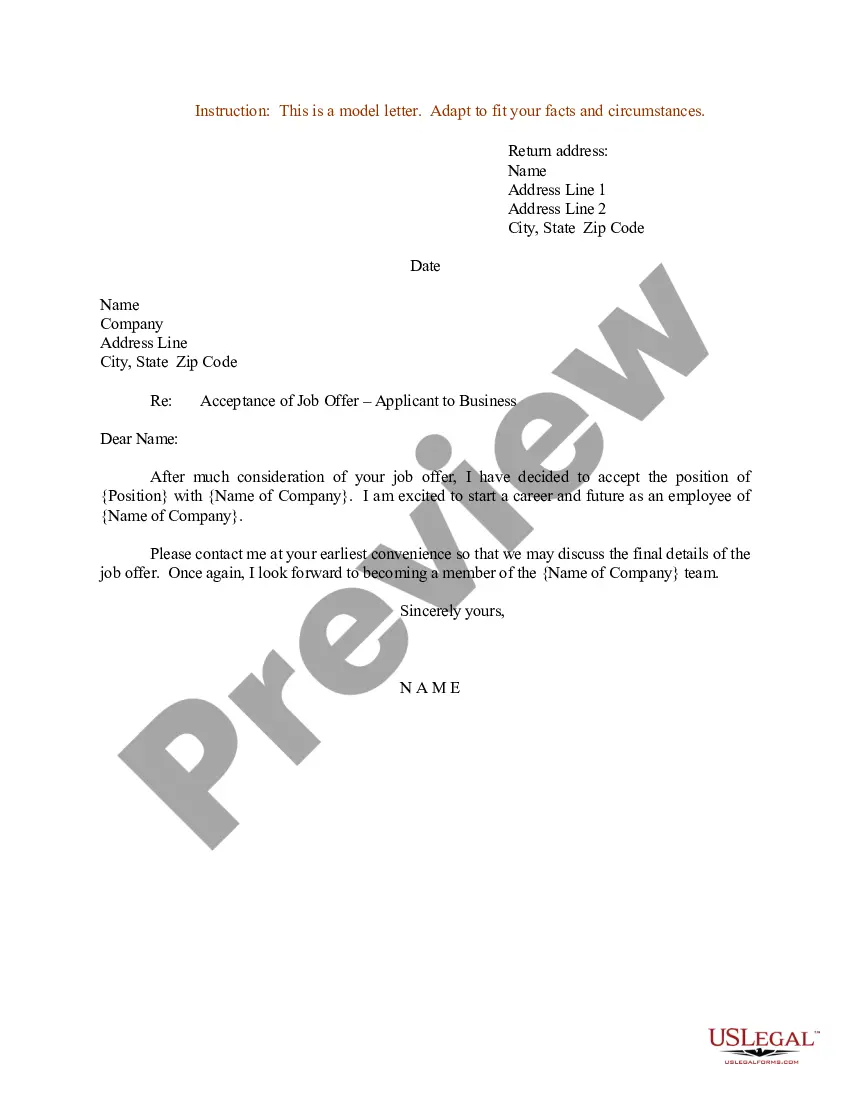
Sample Claim Statement With Job Application In Chicago
Description


Get your form ready online
Our built-in tools help you complete, sign, share, and store your documents in one place.
Make edits, fill in missing information, and update formatting in US Legal Forms—just like you would in MS Word.
Download a copy, print it, send it by email, or mail it via USPS—whatever works best for your next step.
Sign and collect signatures with our SignNow integration. Send to multiple recipients, set reminders, and more. Go Premium to unlock E-Sign.
If this form requires notarization, complete it online through a secure video call—no need to meet a notary in person or wait for an appointment.
We protect your documents and personal data by following strict security and privacy standards.

Make edits, fill in missing information, and update formatting in US Legal Forms—just like you would in MS Word.

Download a copy, print it, send it by email, or mail it via USPS—whatever works best for your next step.

Sign and collect signatures with our SignNow integration. Send to multiple recipients, set reminders, and more. Go Premium to unlock E-Sign.

If this form requires notarization, complete it online through a secure video call—no need to meet a notary in person or wait for an appointment.

We protect your documents and personal data by following strict security and privacy standards.
Looking for another form?









Form popularity
FAQ
How to write a personal statement Write a personal introduction. Write an introduction that reflects you and your personality. Expand on relevant skills, interests and experiences. Write a strong conclusion. Proofread and edit.
I am confident that my skills and experience make me an excellent fit for the Marketing Manager position at Company Name. I am eager to bring my expertise to your team and make meaningful contributions to the success of the company. Thank you for considering my application.
What should I include in my personal statement? Think of a personal statement like a job application cover letter. It should outline your motivation to study, your previous education and employment history, and how this course can assist your career aspirations or progression.
The first paragraph should introduce you and give a brief summary of who you are and why you are best for the role, e.g. 'I am an award-winning fundraiser with strong corporate experience. ' It is important to give a strong and positive impression of yourself right from the start.
Personal statement letters: These are used to express personal opinions or beliefs about a particular situation or issue. Academic statement letters: These are used in academic applications to provide information about your academic achievements, goals, and interests.
A personal statement is a concise summary that displays your skills , experience, and personal attributes with the objective of convincing your reader that you are the ideal candidate for a particular position or course.
The statement is your opportunity to give examples of how you fit the requirements of the job. outline the skills and experience that you have that are relevant to the job and use examples to help demonstrate this.
Keep your supporting statement brief Include your most relevant traits that fulfil the requirements in your first sentence, with an example of a related achievement in the second sentence. In your last sentence, describe how you plan to contribute to similar success for the organisation to which you're applying.
What should I include in my personal statement? Think of a personal statement like a job application cover letter. It should outline your motivation to study, your previous education and employment history, and how this course can assist your career aspirations or progression.