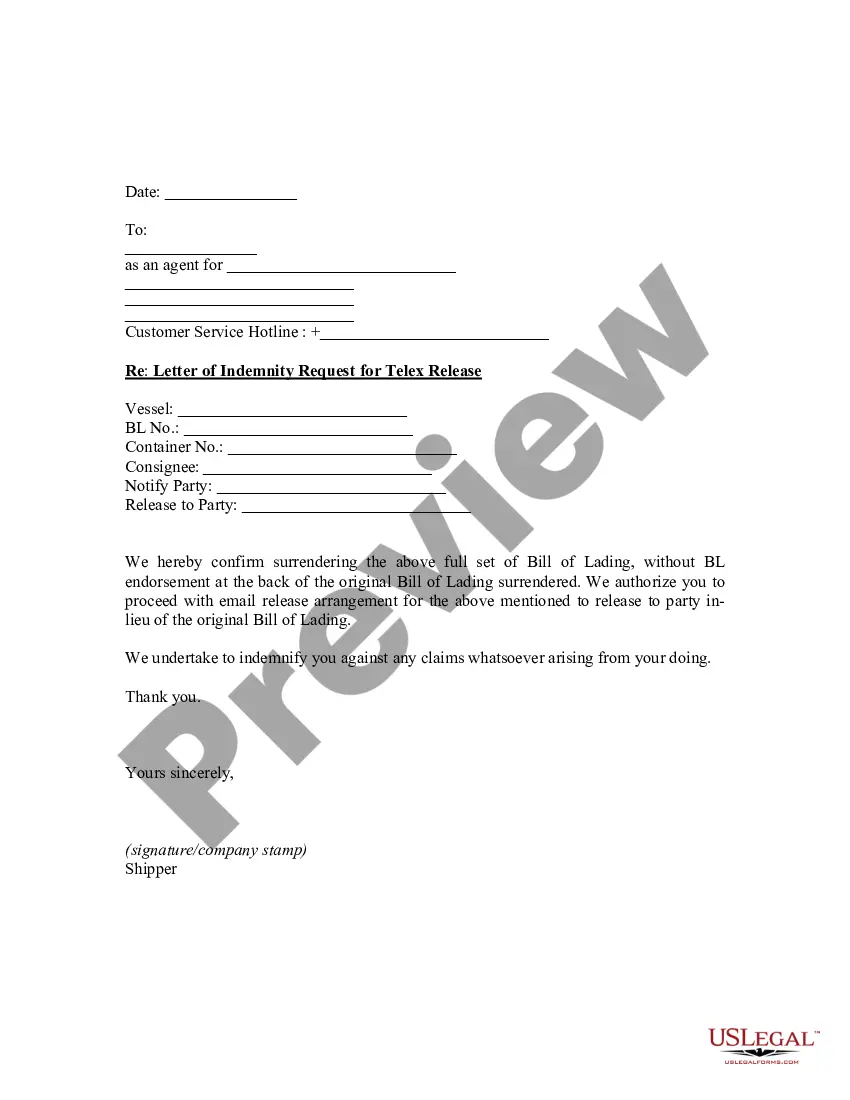
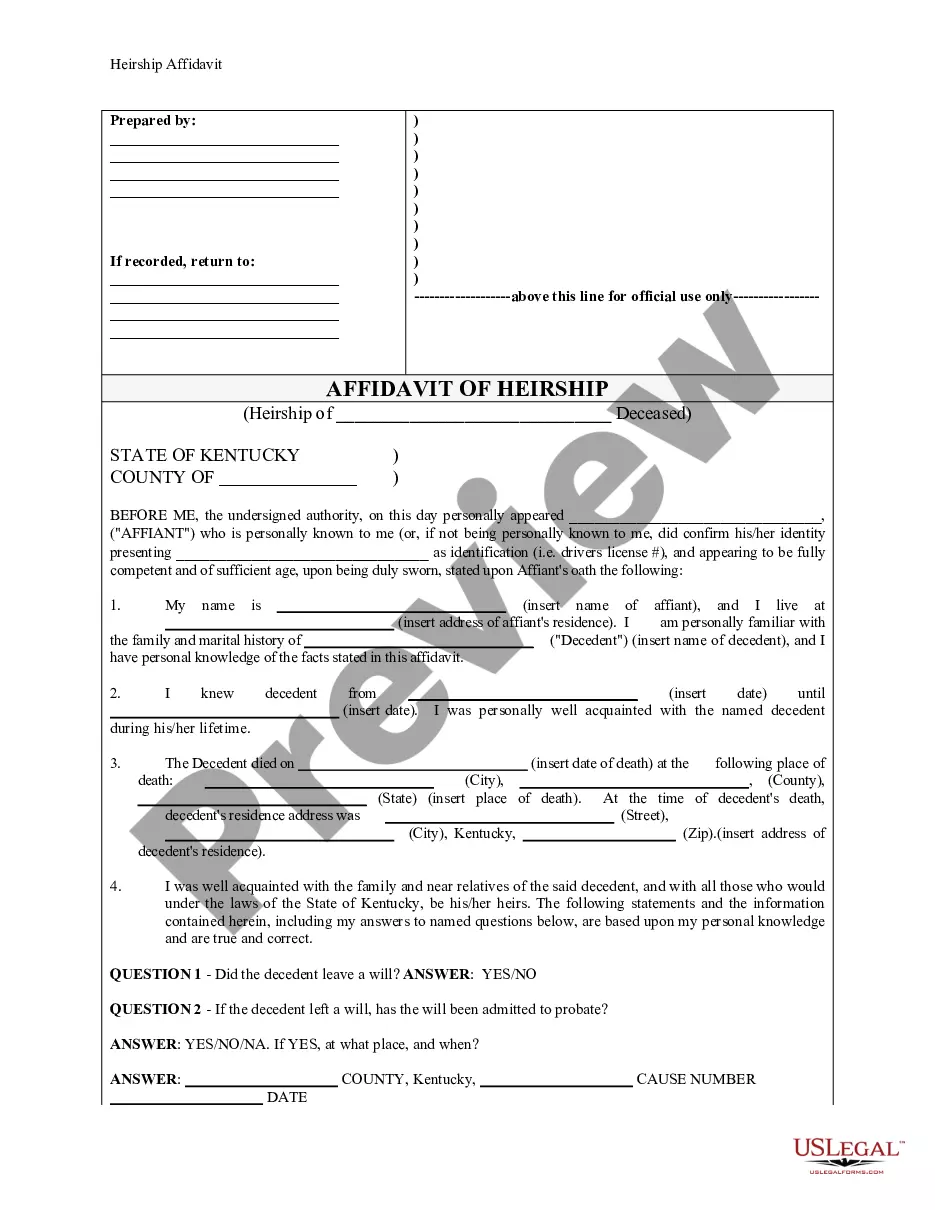
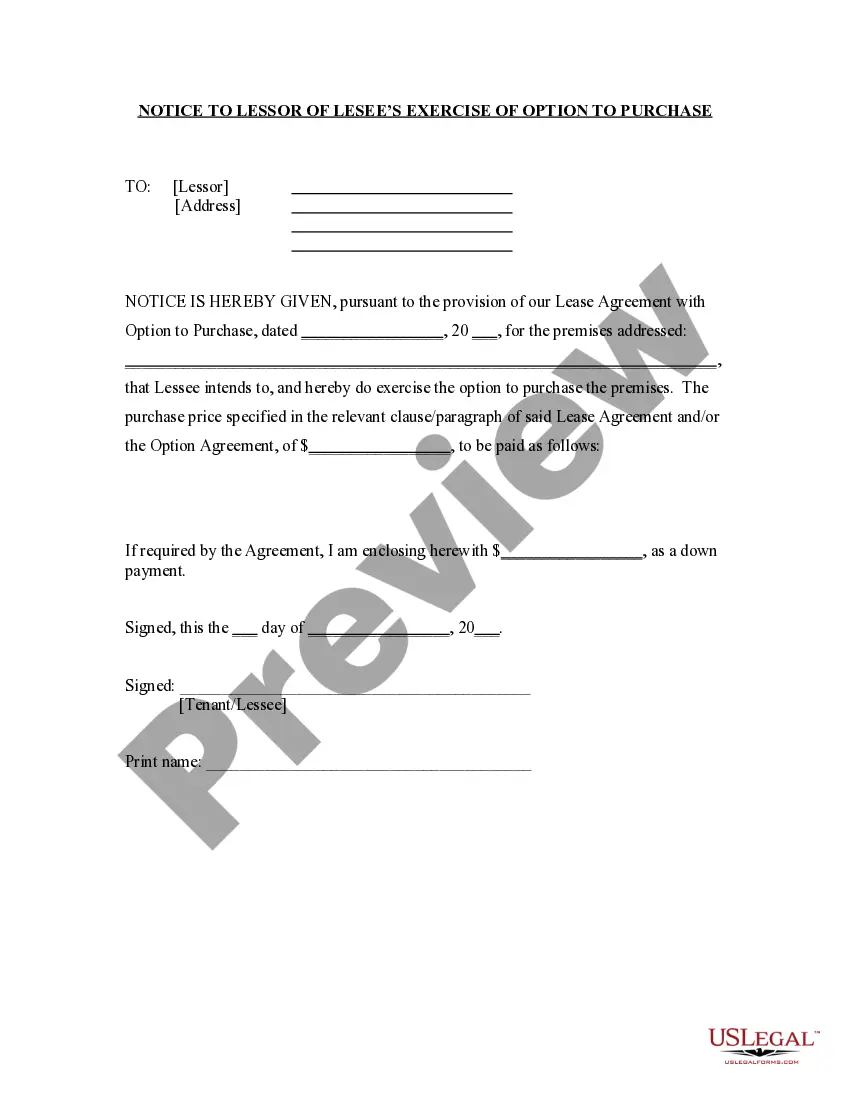
Claim Against Estate File Formal In Chicago
Description


Get your form ready online
Our built-in tools help you complete, sign, share, and store your documents in one place.
Make edits, fill in missing information, and update formatting in US Legal Forms—just like you would in MS Word.
Download a copy, print it, send it by email, or mail it via USPS—whatever works best for your next step.
Sign and collect signatures with our SignNow integration. Send to multiple recipients, set reminders, and more. Go Premium to unlock E-Sign.
If this form requires notarization, complete it online through a secure video call—no need to meet a notary in person or wait for an appointment.
We protect your documents and personal data by following strict security and privacy standards.

Make edits, fill in missing information, and update formatting in US Legal Forms—just like you would in MS Word.

Download a copy, print it, send it by email, or mail it via USPS—whatever works best for your next step.

Sign and collect signatures with our SignNow integration. Send to multiple recipients, set reminders, and more. Go Premium to unlock E-Sign.

If this form requires notarization, complete it online through a secure video call—no need to meet a notary in person or wait for an appointment.

We protect your documents and personal data by following strict security and privacy standards.
Looking for another form?








Form popularity
FAQ
In this article... In the state of Illinois, a strict statute of limitations governs the filing period for claims against an estate in probate court. Creditors have exactly two years from the date of death to file their claim.
For administrative or procedural inquiries, contact Joseph Fleming at (312) 603-7546 or joseph.fleming@cookcountyil or the Probate Division Staff Attorney at (312) 603-7545 or probate.divatty@cookcountyil.
The state of Illinois does not set a specific time limit for settling an estate, but it does expect executors and probate courts to handle the process as efficiently and diligently as possible. Because of the variation in estates, the length of the process can vary from several months to several years.
Conversely, under the Mattson decision, a lawyer is required for all formal probate proceedings in Illinois and any petition to appoint a representative pro se is likely to be dismissed by the probate court.
An interested person, usually a family member, files a petition with. the Probate Court asking that an "administrator" be appointed, that the Court determine the heirs, and that an estate be opened. Notice of the presentation of that petition and the hearing must be given in writing to close relatives.
When a person dies in Illinois, anyone who has a claim against a decedent's estate —whether it is a contract, tort, or statutory custodial claim—may file that claim with the estate representative or with the court.
The statute of limitations for probate claims in Illinois provides that creditors have two years from the decedent's death to file a claim against the estate. However, the representative can shorten this period by providing notice to known and unknown creditors.
Probate Code Section 551 provides that, if the limitations period otherwise applicable to the action has not expired at the time of the decedent's death, an action under this chapter may be commenced within one year after the expiration of the limitations period otherwise applicable.
To make a claim in an estate, the creditor must go through the court system. The creditor first files a Statement of Claim in the probate matter for the decedent, or the person who died.
Understanding the Deceased Estate 3-Year Rule The core premise of the 3-year rule is that if the deceased's estate is not claimed or administered within three years of their death, the state or governing body may step in and take control of the distribution and management of the assets.