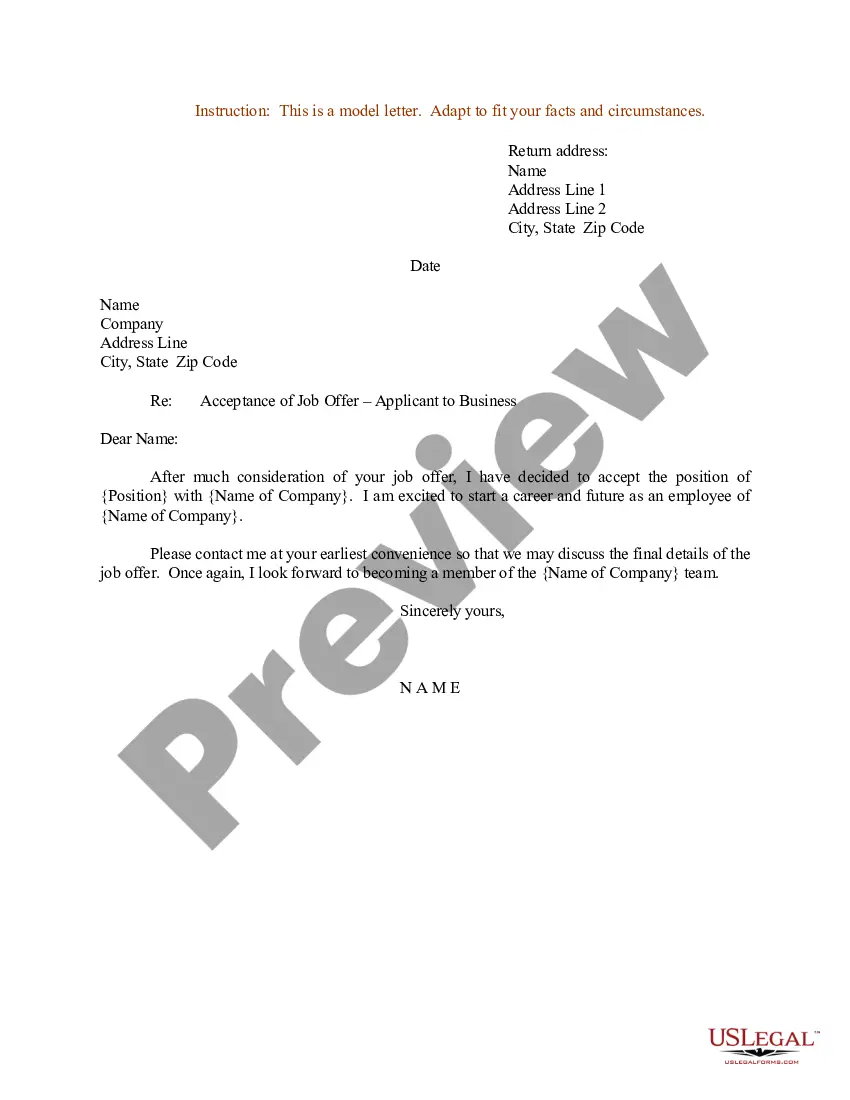
Claim Against Estate File With Probate Court In Broward
Description


Get your form ready online
Our built-in tools help you complete, sign, share, and store your documents in one place.
Make edits, fill in missing information, and update formatting in US Legal Forms—just like you would in MS Word.
Download a copy, print it, send it by email, or mail it via USPS—whatever works best for your next step.
Sign and collect signatures with our SignNow integration. Send to multiple recipients, set reminders, and more. Go Premium to unlock E-Sign.
If this form requires notarization, complete it online through a secure video call—no need to meet a notary in person or wait for an appointment.
We protect your documents and personal data by following strict security and privacy standards.

Make edits, fill in missing information, and update formatting in US Legal Forms—just like you would in MS Word.

Download a copy, print it, send it by email, or mail it via USPS—whatever works best for your next step.

Sign and collect signatures with our SignNow integration. Send to multiple recipients, set reminders, and more. Go Premium to unlock E-Sign.

If this form requires notarization, complete it online through a secure video call—no need to meet a notary in person or wait for an appointment.

We protect your documents and personal data by following strict security and privacy standards.
Looking for another form?



Form popularity
FAQ
In order to contest a will in Florida, the party who wishes to contest must file a petition in the probate court where this will is being probated. During this they must request that the court revoke or deem the will invalid due to either fraud, undue influence, coercion or other legal grounds.
File a petition: To contest a will in Florida, you will need to file a petition with the court. The petition should include the grounds on which you are contesting the will and any evidence you have to support your case.
In general, a presumption of undue influence arises upon a showing that: (1) one having a substantial benefit under the will or trust; (2) possessed a confidential relationship with the decedent and (3) was active in the procurement of the will. In re Estate of Carpenter, 253 So. 2d 697 (Fla.
Reasons to Appeal a Criminal Conviction in Florida Evidence was inappropriately admitted or excluded in the case. The jury instructions were incorrect. There was a lack of evidence to support the verdict. There was jury misconduct. There was bias in jury selection. Your lawyer provided inadequate legal representation.
The key statute to consider is Florida Statute 733.903, which states: “The final settlement of an estate and the discharge of the personal representative shall not prevent further administration.” This law essentially leaves the door open for reopening probate cases when necessary.
A Florida Probate Appeal may be your only way to get justice if you just lost on an important issue. In some instances, you MUST appeal a probate order within 30 days.
Your Timeframe for Contesting a Florida Will Once a will has been accepted by the probate court, the personal representative must serve all interested parties with a Notice of Administration. You then have 90 days to contest the will.
Any legal contest filed with the probate court that arises after a person's death or as a result of mental incapacity will likely be categorized as probate litigation. For example, you may need a probate litigation attorney if you: Want to challenge the validity of a will or trust.
The Petition demonstrates the eligibility for summary administration, (i.e., the decedent died over 2 years ago or the value of the estate, less exempt property, does not exceed $75,000). The Petitioner is a beneficiary or a person nominated as personal representative in the decedent's will offered for probate.
A: The 10-day rule for probate in Florida is in reference to the will being filed in the court. The will of a deceased person must be filed with the probate court within 10 days of their death. The rule applies to both formal and summary administration proceedings. To avoid delays, the executor should file promptly.