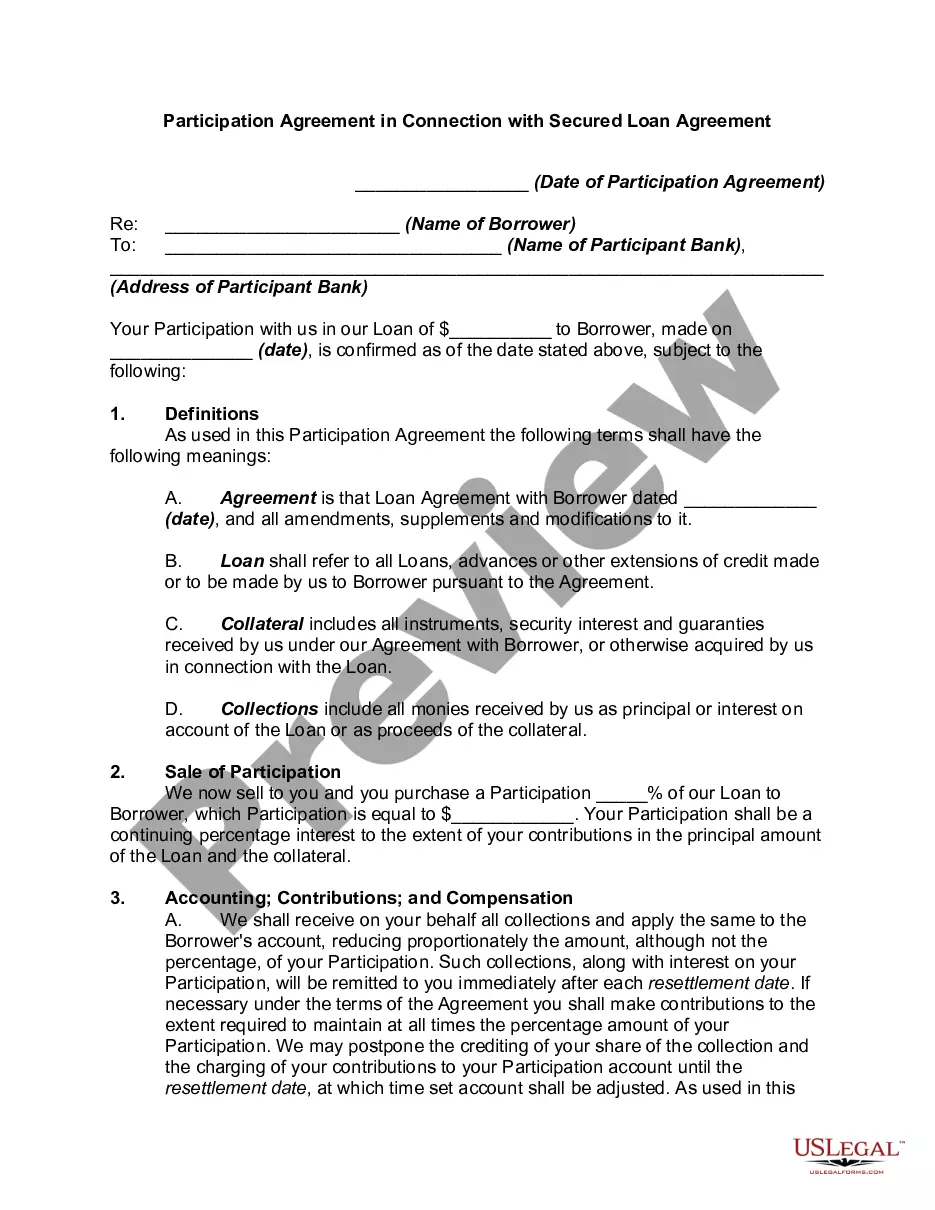
Settlement Against Estate Form Ny In Allegheny
Description


Get your form ready online
Our built-in tools help you complete, sign, share, and store your documents in one place.
Make edits, fill in missing information, and update formatting in US Legal Forms—just like you would in MS Word.
Download a copy, print it, send it by email, or mail it via USPS—whatever works best for your next step.
Sign and collect signatures with our SignNow integration. Send to multiple recipients, set reminders, and more. Go Premium to unlock E-Sign.
If this form requires notarization, complete it online through a secure video call—no need to meet a notary in person or wait for an appointment.
We protect your documents and personal data by following strict security and privacy standards.

Make edits, fill in missing information, and update formatting in US Legal Forms—just like you would in MS Word.

Download a copy, print it, send it by email, or mail it via USPS—whatever works best for your next step.

Sign and collect signatures with our SignNow integration. Send to multiple recipients, set reminders, and more. Go Premium to unlock E-Sign.

If this form requires notarization, complete it online through a secure video call—no need to meet a notary in person or wait for an appointment.

We protect your documents and personal data by following strict security and privacy standards.
Looking for another form?








Form popularity
FAQ
Under New York law, home sellers are required to deliver a Property Condition Disclosure Statement to the buyers – or allow a $500 credit at closing. Both buyers and sellers need an attorney's help in determining how to respond to this law.
There is no requirement that you hire an attorney to take care of a probate proceeding on your behalf. If you feel comfortable doing so, you may handle a simple probate yourself.
Probate involves several steps: Filing the probate petition. Give Notice. Inventorying the property. Paying outstanding debts and taxes. Distributing the remaining property as the will or state intestacy law directs.
A creditor against an estate files a claim by providing the personal representative of the estate with written notice. This can be done by submitting a completed Notice of Claim form with the court register. The filing of a claim preserves the creditor's right to collect from the estate.
An estate attorney can provide advice, determine whether Administration will be required, and explain what procedures will be involved. If you choose to not consult an attorney to represent you through Estate Administration, you may file Pro Se (on one's own behalf) to be named personal representative.
How to Submit a Claim A copy of the death certificate. Proof of Address or Ownership connecting the owner to the address or funds. Letters of Authority (Testamentary/Administration) issued by the court certifying your appointment, dated within the last six months, or a Small Estates Affidavit and Table of Heirs.
Generally speaking, the time limit for a person or family member to claim an inheritance in New York State is two years from the date of the decedent's death. There are exceptions the place the statute of boundaries might also be longer or shorter depending on the circumstances.
CLOSING THE ESTATE: FORM 207.42 must be prepared and executed by the fiduciary and the attorney and filed after 7 months or by the end of 2 years from the date of fiduciary appointment. RELEASES from all beneficiaries of the estate must be executed and filed at this time, if not already filed.
New York state law does not have a specific time limit for settling an estate. The time frame varies depending on the size of the estate and the complexity of the situation.

