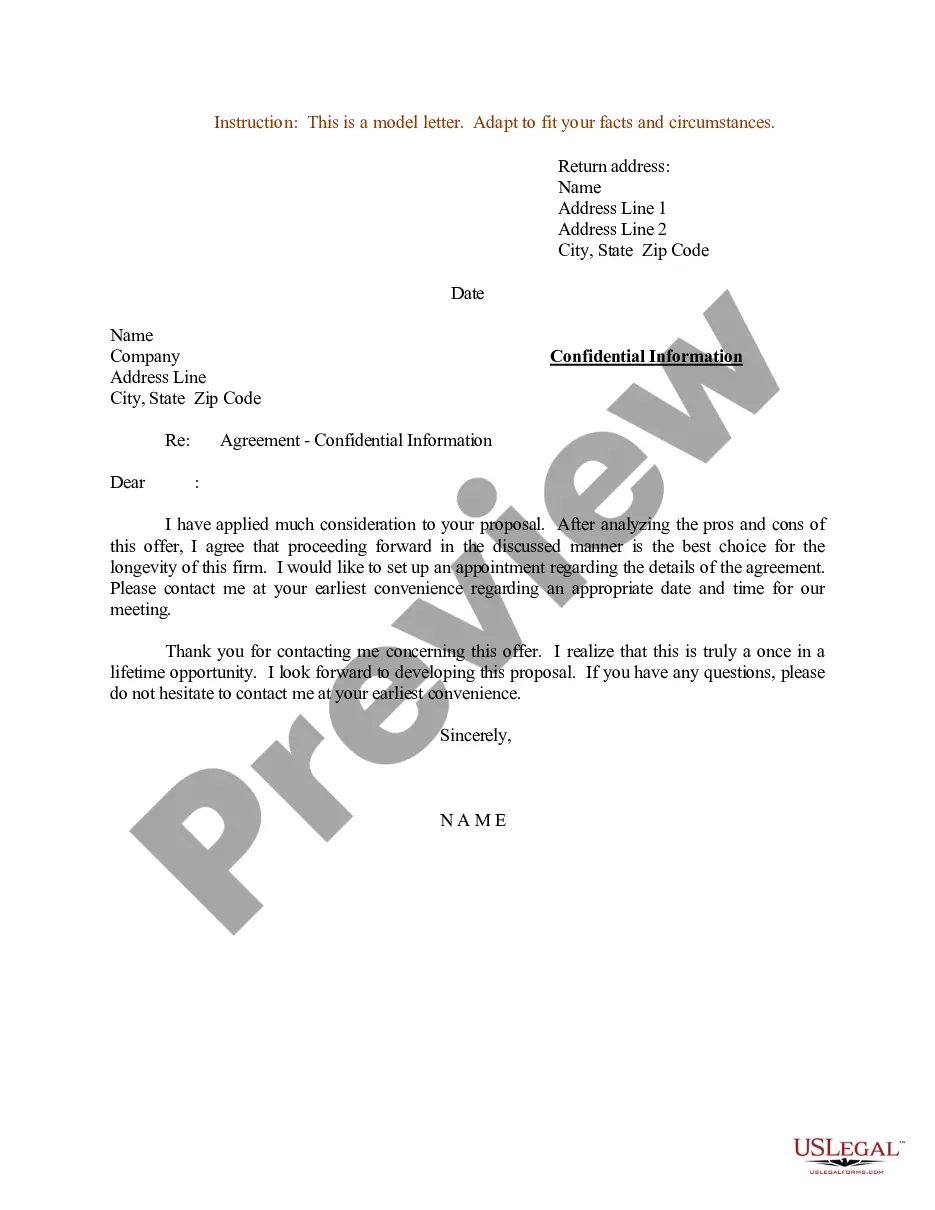
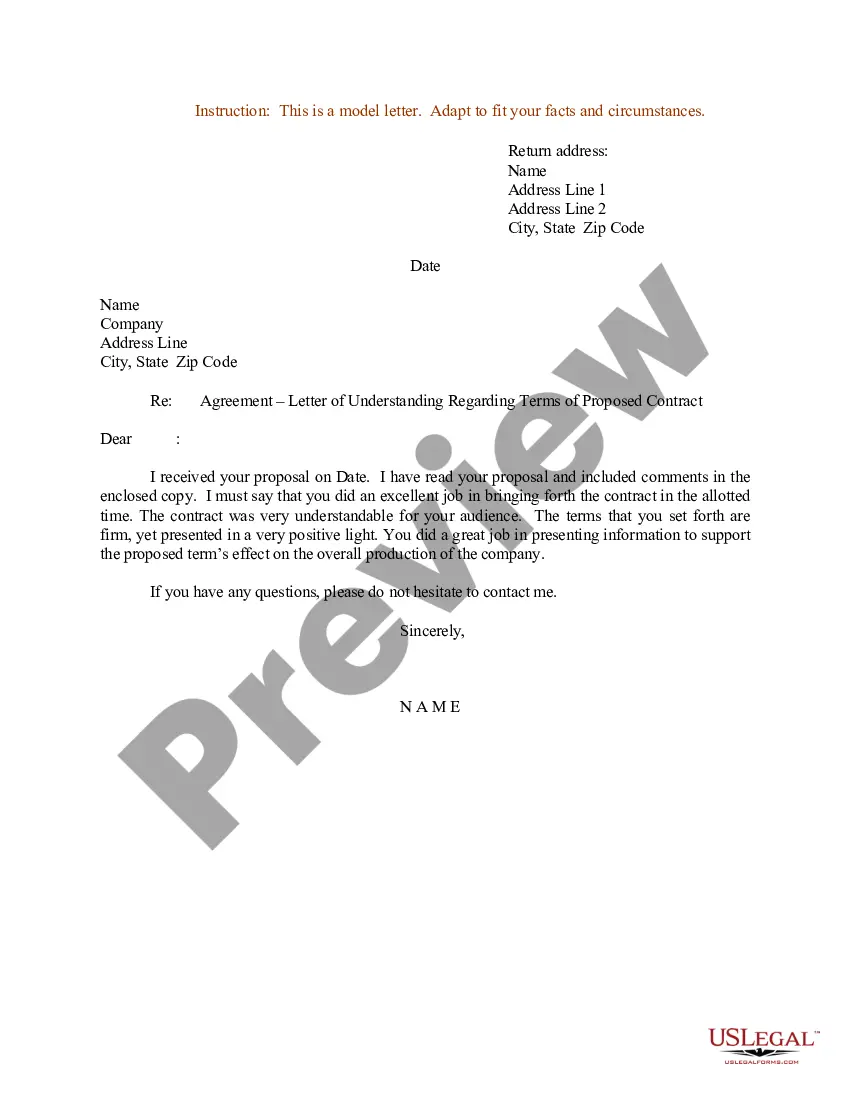
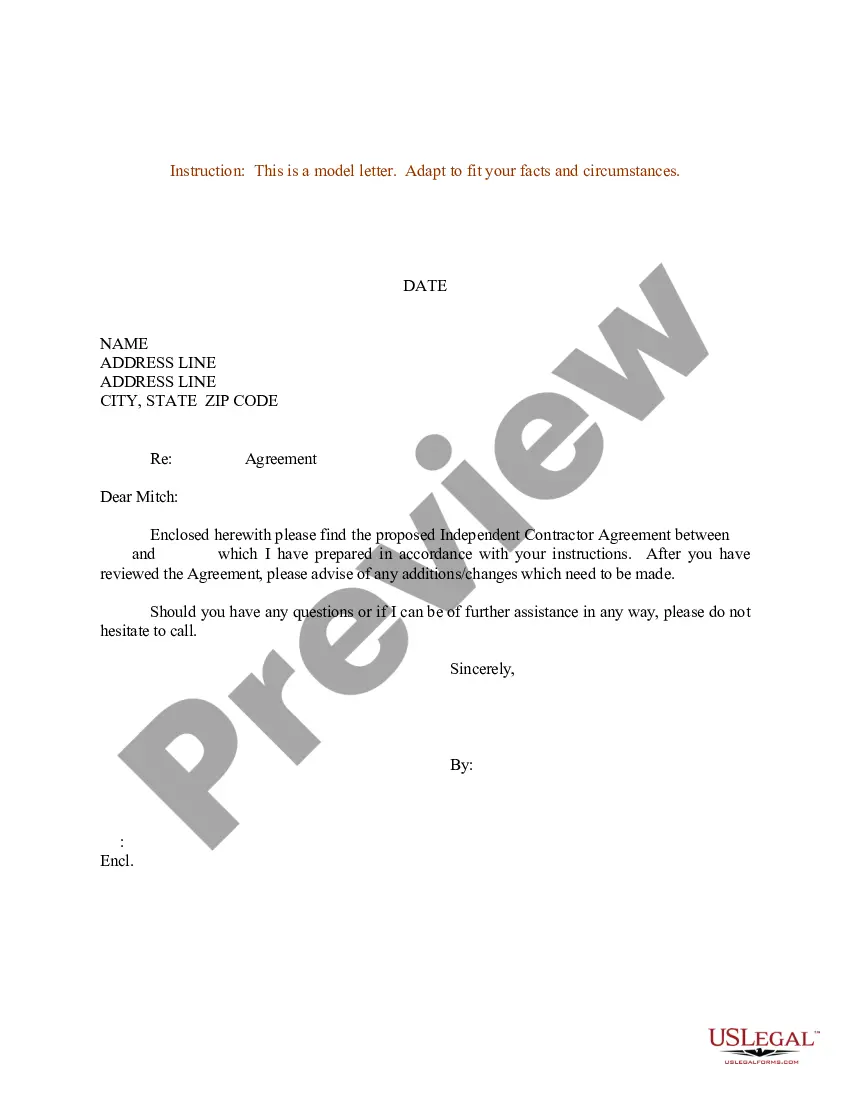
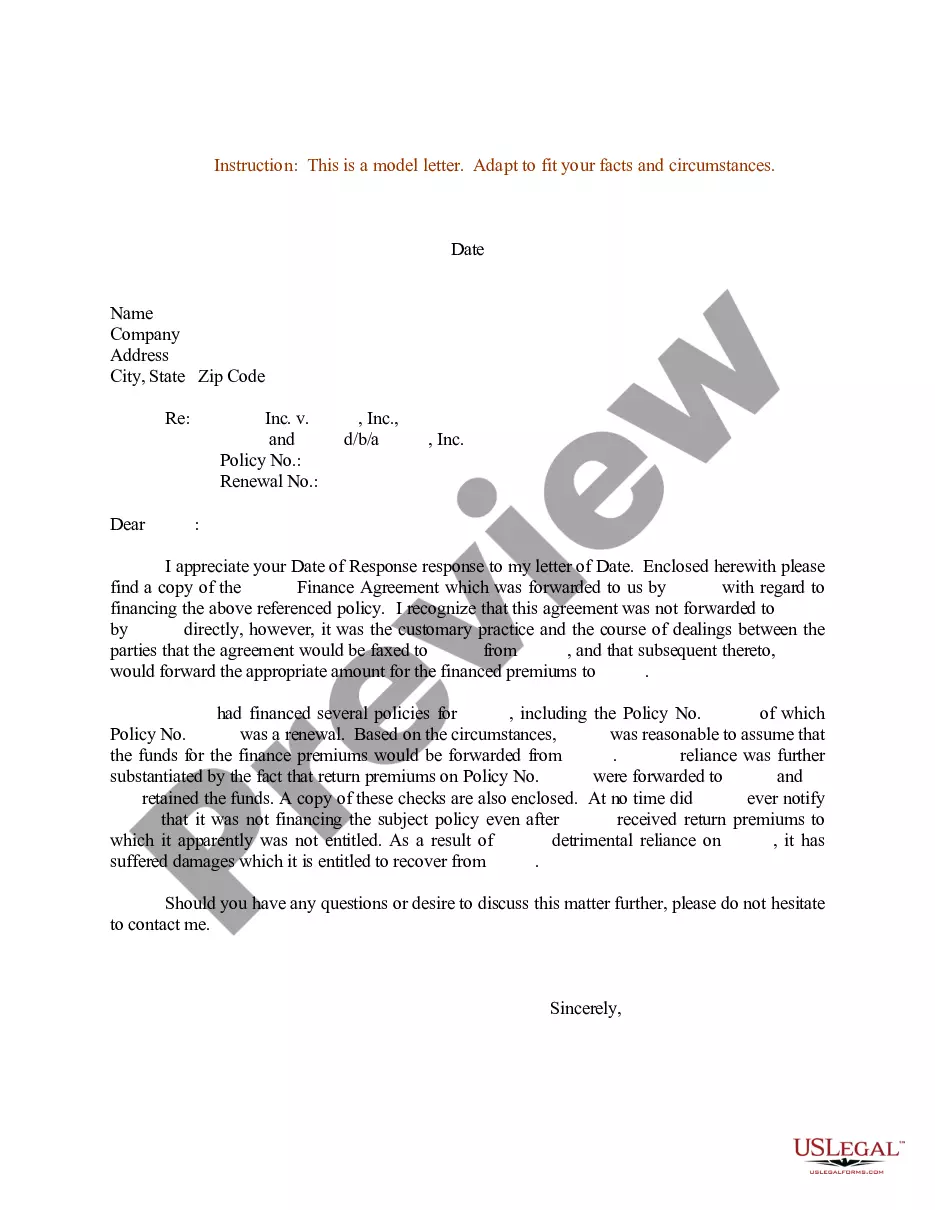
Agreement Letter For Job In Utah
Description

Get your form ready online
Our built-in tools help you complete, sign, share, and store your documents in one place.
Make edits, fill in missing information, and update formatting in US Legal Forms—just like you would in MS Word.
Download a copy, print it, send it by email, or mail it via USPS—whatever works best for your next step.
Sign and collect signatures with our SignNow integration. Send to multiple recipients, set reminders, and more. Go Premium to unlock E-Sign.
If this form requires notarization, complete it online through a secure video call—no need to meet a notary in person or wait for an appointment.
We protect your documents and personal data by following strict security and privacy standards.

Make edits, fill in missing information, and update formatting in US Legal Forms—just like you would in MS Word.

Download a copy, print it, send it by email, or mail it via USPS—whatever works best for your next step.

Sign and collect signatures with our SignNow integration. Send to multiple recipients, set reminders, and more. Go Premium to unlock E-Sign.

If this form requires notarization, complete it online through a secure video call—no need to meet a notary in person or wait for an appointment.

We protect your documents and personal data by following strict security and privacy standards.
Looking for another form?







Form popularity
FAQ
A contract does not need to be in writing to be enforceable under the law. If you promise to buy something and someone else promises to sell it to you, you may have just made a contract. Your promise is the same as signing your name to a contract. This includes renting apartments.
Utah is an employment-at-will state, which means that without a written employee contract, employees can be terminated for any reason at any time, provided that the reason is not discriminatory and that the employer is not retaliating against the employee for a rightful action.
Utah operates under the “at-will” employment doctrine. This means employers in Utah have the flexibility to terminate employees for any reason—or no reason at all—without needing to provide advance notice.
Contract letters detail the terms and conditions for employment. Companies create these contracts to educate an employee on their terms for employment.
Employment contracts are legally binding documents that employers and employees agree to. This reduces the chances that one party will take legal action later on. Your employment contract lets employees know exactly what is expected of them and what actions will be taken if they don't comply.
A Utah employment contract agreement documents an employer's terms of employment to potential employees. The contract provides clarity on matters of job title and description, compensation, the employee's rights, benefits that may be offered, and the conditions under which the employee may quit or be terminated.
A personal contract is a written agreement between an individual and themselves, outlining their personal goals, values, and commitments. It is a powerful tool for personal growth and development, as it helps individuals to clarify their aspirations and make concrete plans for achieving them.
Here are some steps you may use to guide you when you write an employment contract: Title the employment contract. Identify the parties. List the term and conditions. Outline the job responsibilities. Include compensation details. Use specific contract terms. Consult with an employment lawyer. Employment.
Employment contracts are generally drawn up by the company through their legal counsel. However, in many cases individuals who are hiring the employee can also choose to write their own contracts. In some cases, independent contractors or freelancers can provide their own contracts and terms of employment.
How to draft a contract in 13 simple steps Start with a contract template. Understand the purpose and requirements. Identify all parties involved. Outline key terms and conditions. Define deliverables and milestones. Establish payment terms. Add termination conditions. Incorporate dispute resolution.

