Agreement Letter For Loan In Suffolk
Description
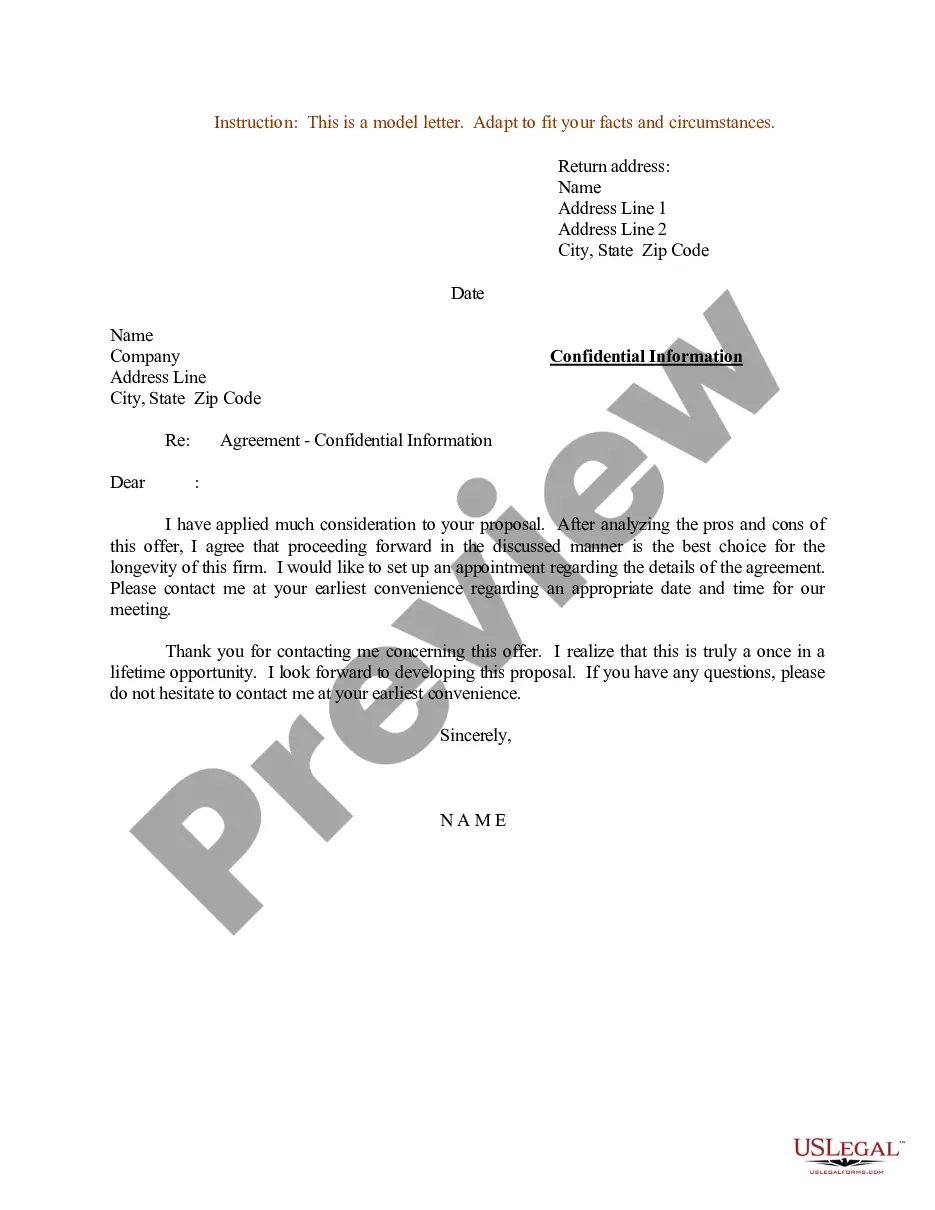

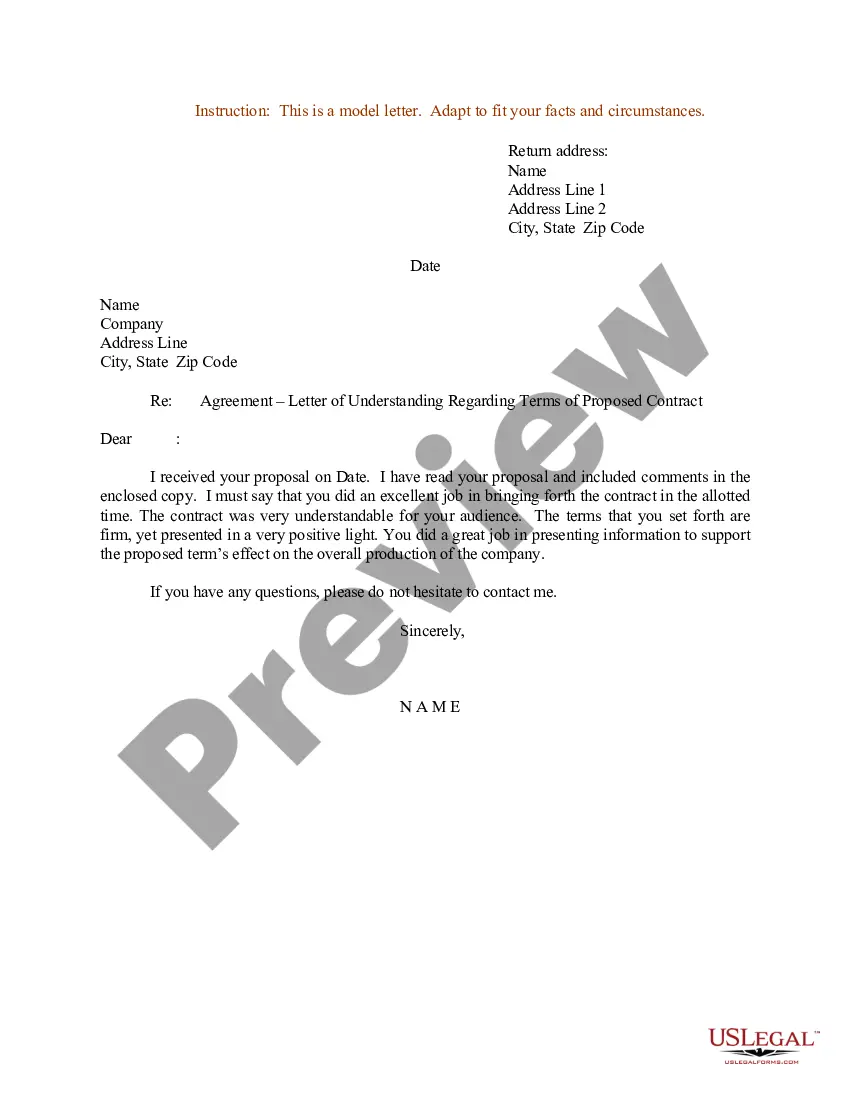
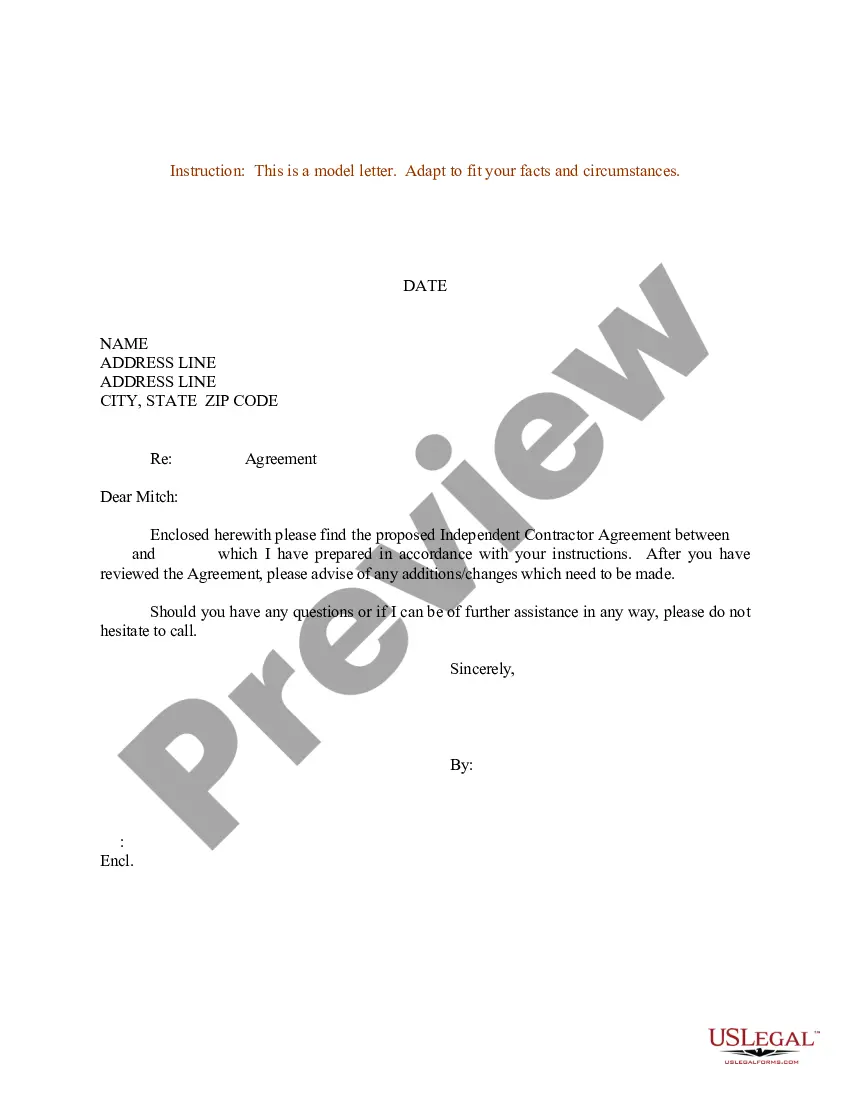
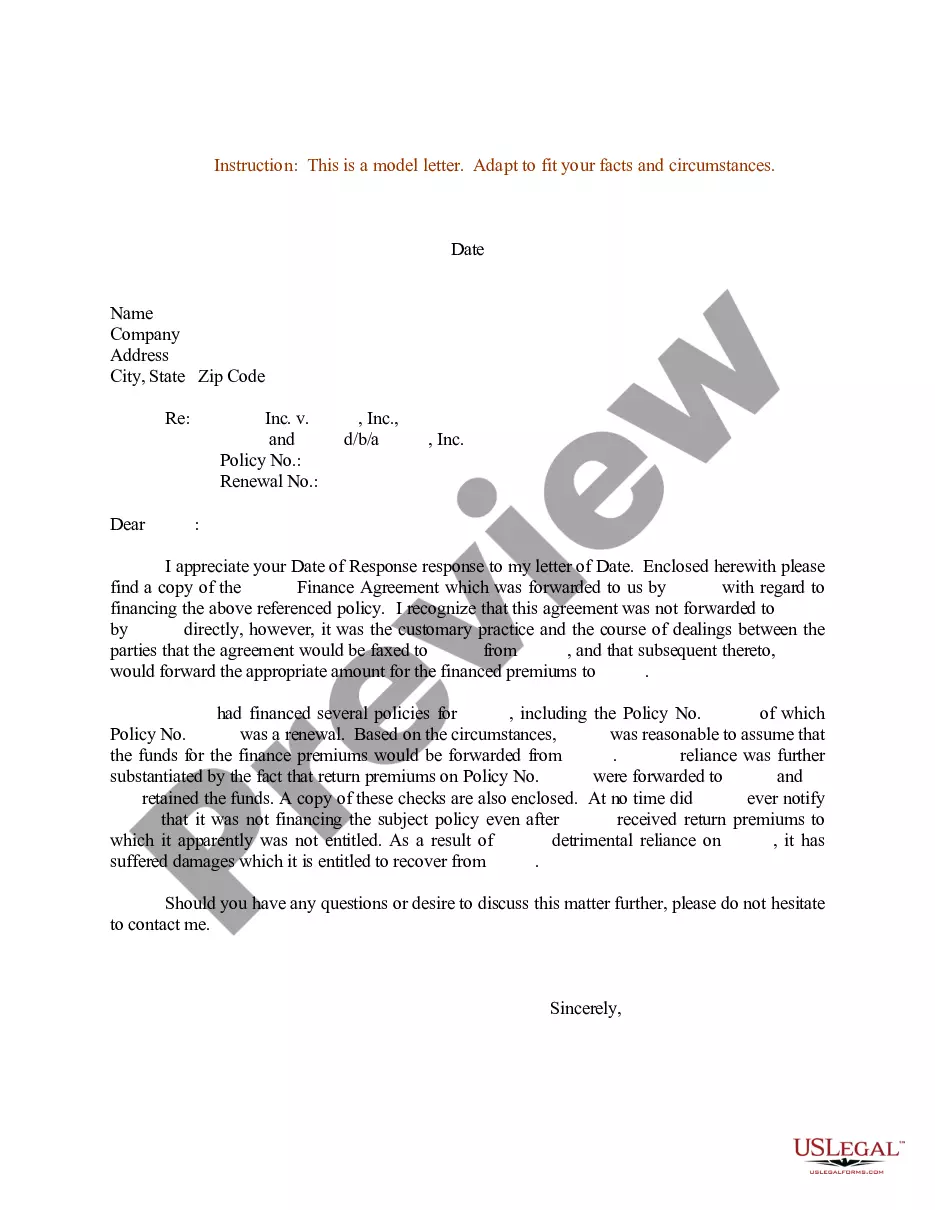
Get your form ready online
Our built-in tools help you complete, sign, share, and store your documents in one place.
Make edits, fill in missing information, and update formatting in US Legal Forms—just like you would in MS Word.
Download a copy, print it, send it by email, or mail it via USPS—whatever works best for your next step.
Sign and collect signatures with our SignNow integration. Send to multiple recipients, set reminders, and more. Go Premium to unlock E-Sign.
If this form requires notarization, complete it online through a secure video call—no need to meet a notary in person or wait for an appointment.
We protect your documents and personal data by following strict security and privacy standards.

Make edits, fill in missing information, and update formatting in US Legal Forms—just like you would in MS Word.

Download a copy, print it, send it by email, or mail it via USPS—whatever works best for your next step.

Sign and collect signatures with our SignNow integration. Send to multiple recipients, set reminders, and more. Go Premium to unlock E-Sign.

If this form requires notarization, complete it online through a secure video call—no need to meet a notary in person or wait for an appointment.

We protect your documents and personal data by following strict security and privacy standards.
Looking for another form?









Form popularity
FAQ
A deferred payment is an agreement between a creditor (or lender) and debtor (or borrower) where payment is delayed until a future date.
A deferred payment is one that is delayed, either completely or in part, in order to give the person or business making the payment more time to meet their financial obligations. In accounting terms, any merchant allowing customers to set up a deferred payment agreement will be dealing with accrued revenue.
Louise Aynsley, the Chief Financial Officer, makes sure the council manages its budget correctly and makes financially sound decisions. Nigel Inniss, the Monitoring Officer, makes sure that the council, and it's councillors, follow the law and the council's constitution.
Disadvantages of using a Deferred Payment Agreement You'll also be expected to keep your home insured – even if it's empty – for the duration of your agreement. Financially, the implications of set up fees, annual administration charges and interest rate on your deferred debts might be off putting.
It is a legally binding agreement with full terms and conditions, which allows you to defer or delay paying some of the costs of your care until a later date. The costs deferred must be repaid in full in the future.
A deferred payment is one that is delayed, either completely or in part, in order to give the person or business making the payment more time to meet their financial obligations. In accounting terms, any merchant allowing customers to set up a deferred payment agreement will be dealing with accrued revenue.
A deferred payment agreement is an arrangement with your council that lets you use your home's value to cover care home costs. It lets you delay paying those costs until later, so you don't have to sell your home right away.

