Agreement Letter For Utang In Cook
Description
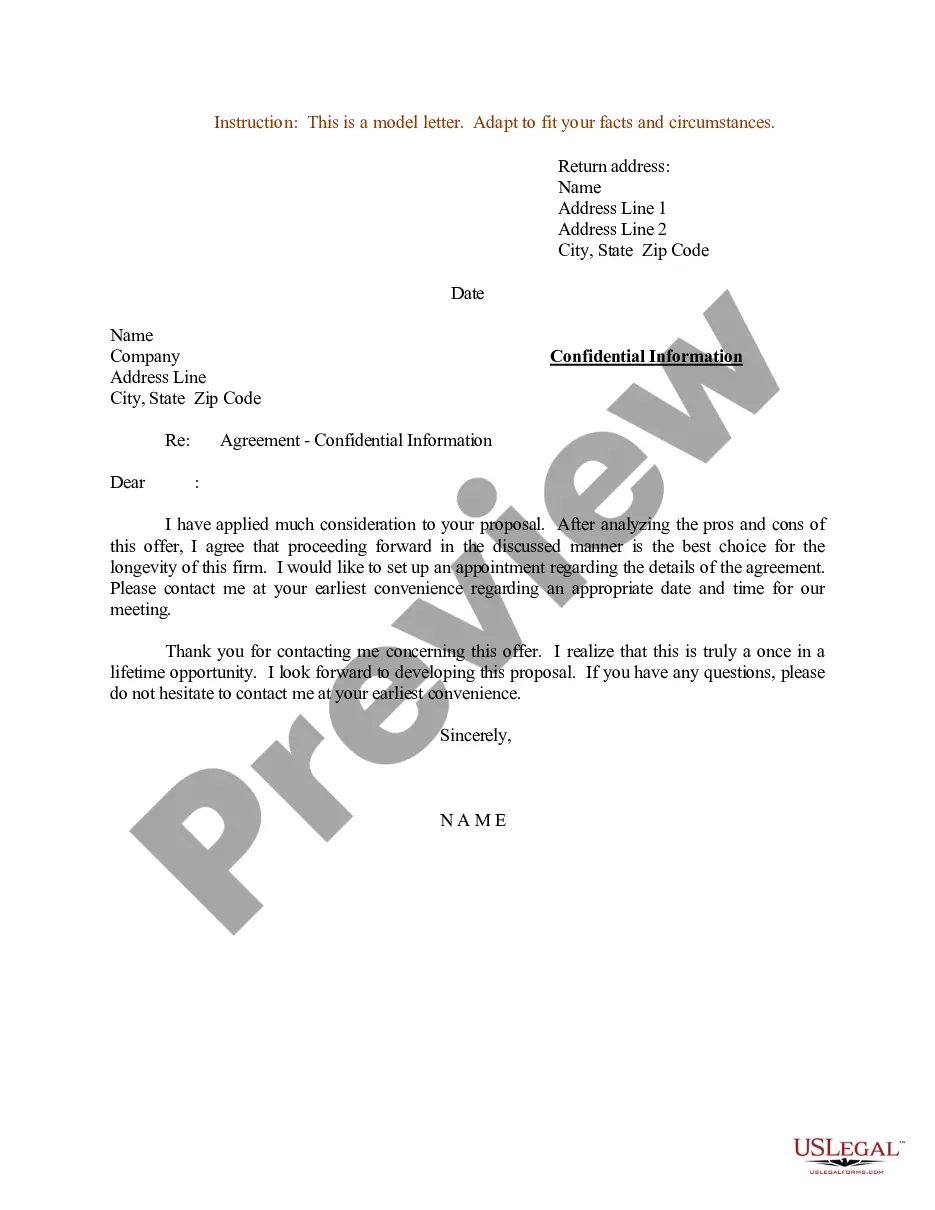
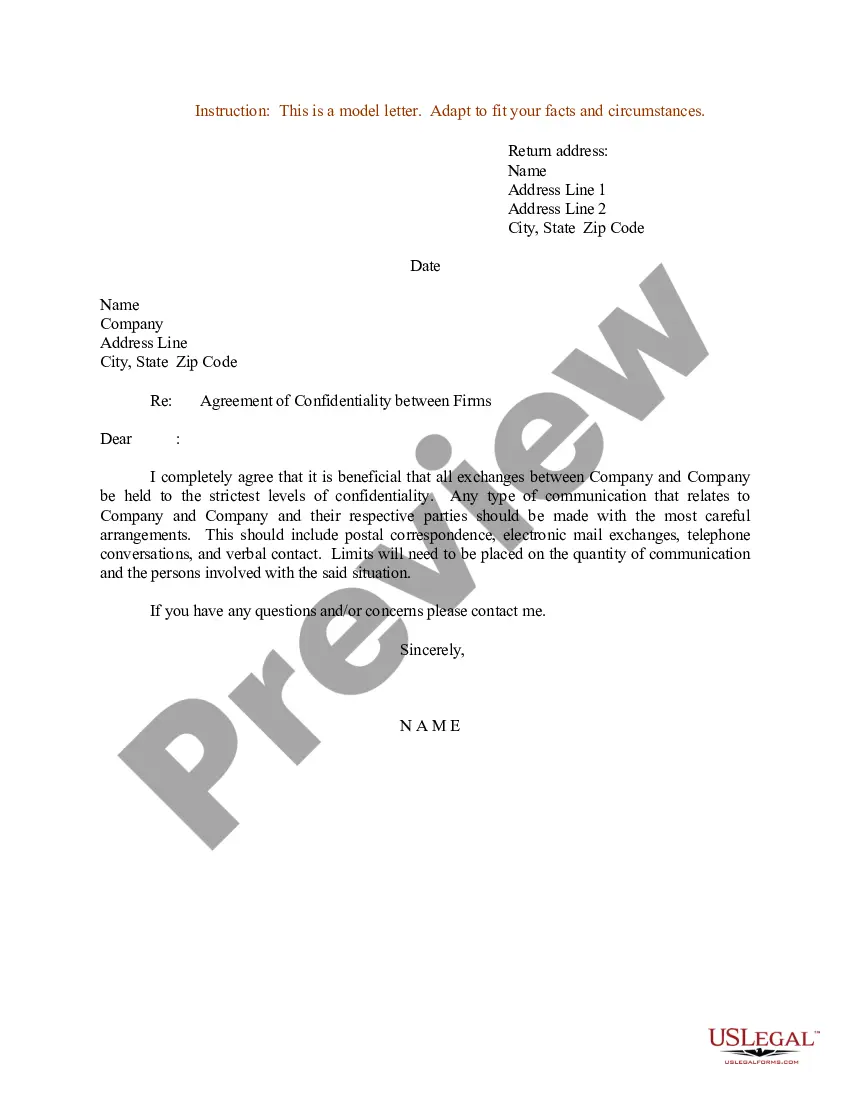
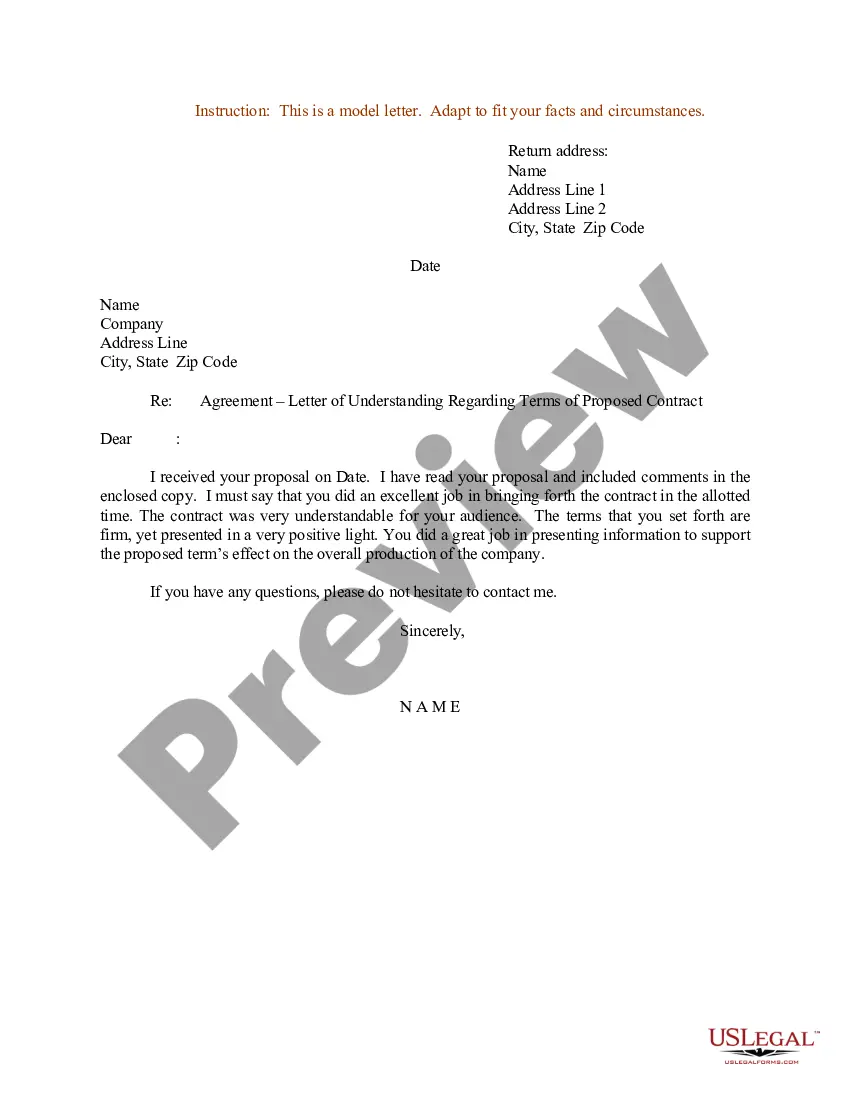
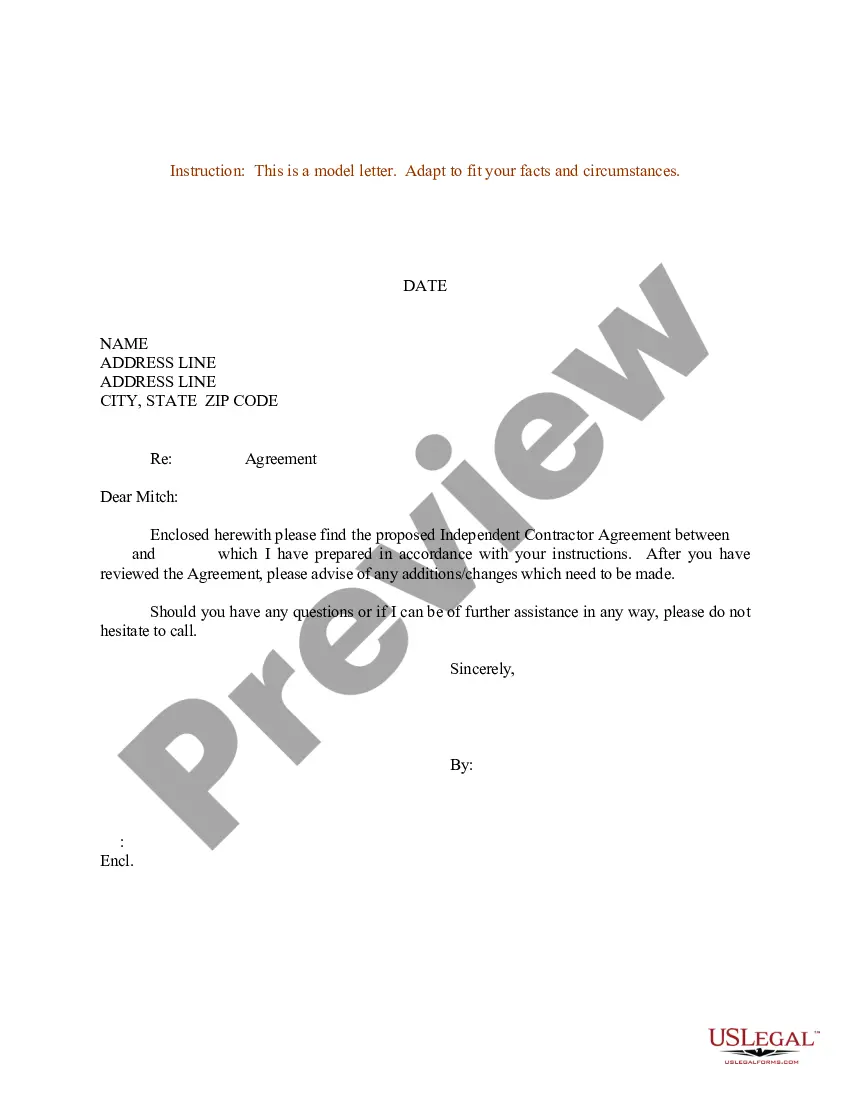
Get your form ready online
Our built-in tools help you complete, sign, share, and store your documents in one place.
Make edits, fill in missing information, and update formatting in US Legal Forms—just like you would in MS Word.
Download a copy, print it, send it by email, or mail it via USPS—whatever works best for your next step.
Sign and collect signatures with our SignNow integration. Send to multiple recipients, set reminders, and more. Go Premium to unlock E-Sign.
If this form requires notarization, complete it online through a secure video call—no need to meet a notary in person or wait for an appointment.
We protect your documents and personal data by following strict security and privacy standards.

Make edits, fill in missing information, and update formatting in US Legal Forms—just like you would in MS Word.

Download a copy, print it, send it by email, or mail it via USPS—whatever works best for your next step.

Sign and collect signatures with our SignNow integration. Send to multiple recipients, set reminders, and more. Go Premium to unlock E-Sign.

If this form requires notarization, complete it online through a secure video call—no need to meet a notary in person or wait for an appointment.

We protect your documents and personal data by following strict security and privacy standards.
Looking for another form?










Form popularity
FAQ
Demand Letters in the Philippine Context A demand letter is a formal document sent by the creditor (or a collection agency acting on behalf of the creditor) requesting payment for an outstanding debt. It usually includes: The outstanding balance (principal, interest, penalties). A deadline for payment or settlement.
This means that credit card companies or collectors have 10 years to file a case against the debtor to collect the outstanding balance. If no legal action is filed within this period, the right to collect the debt is extinguished, and the debt becomes unenforceable through the courts.
Ing to Boundy (2012), typically, a written contract will include: Date of agreement. Names of parties to the agreement. Preliminary clauses. Defined terms. Main contract clauses. Schedules/appendices and signature provisions (para. 5).
For credit card debt, which is considered a personal obligation under contract law, the prescriptive period is typically ten (10) years. This means that the creditor has up to ten years to file a lawsuit to recover the debt, starting from the time the debtor defaulted or failed to meet payment obligations.

