Agreement Letter For Borrowing Money In Bronx
Description
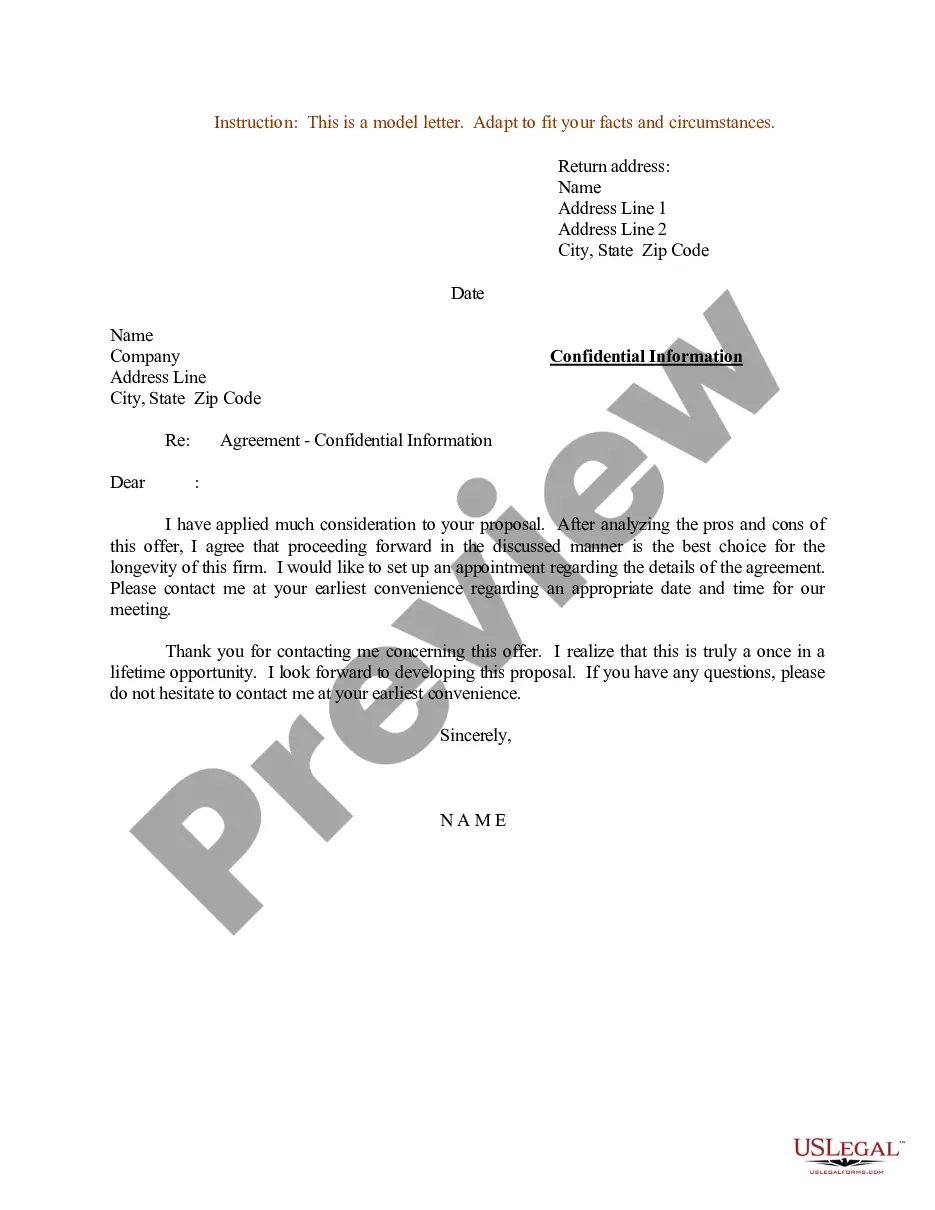

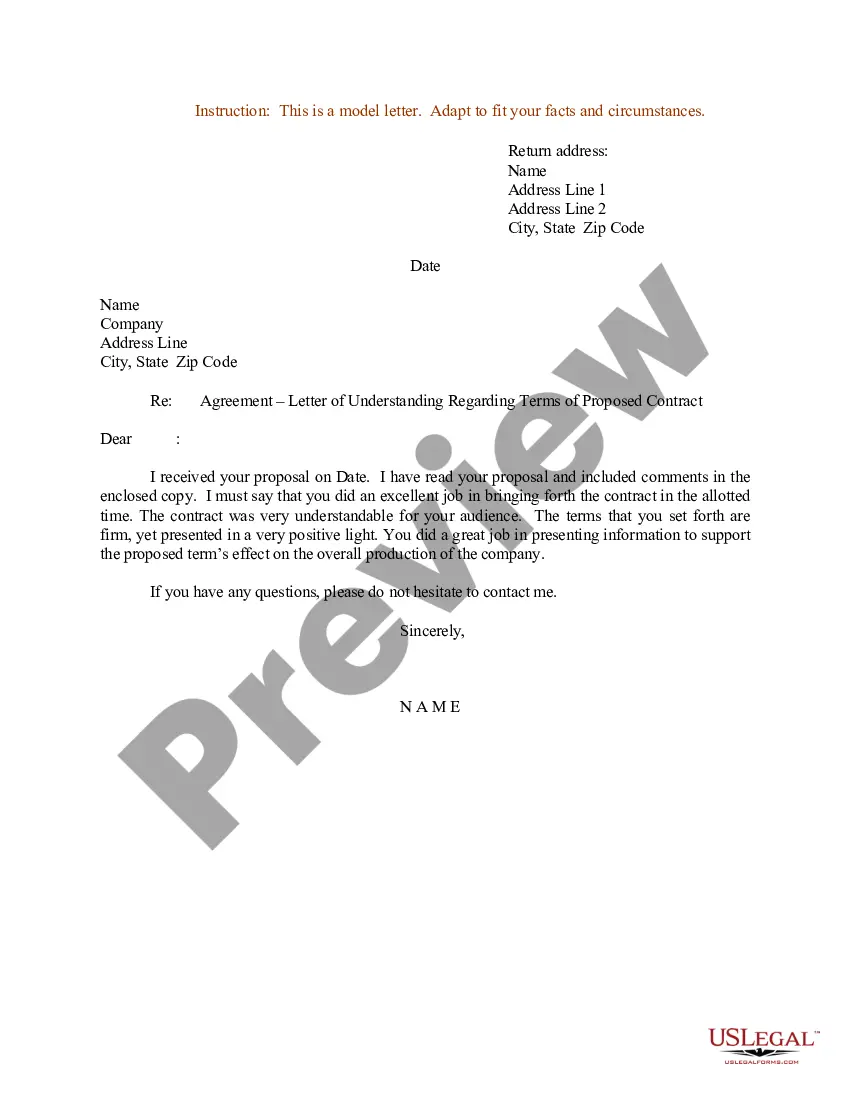
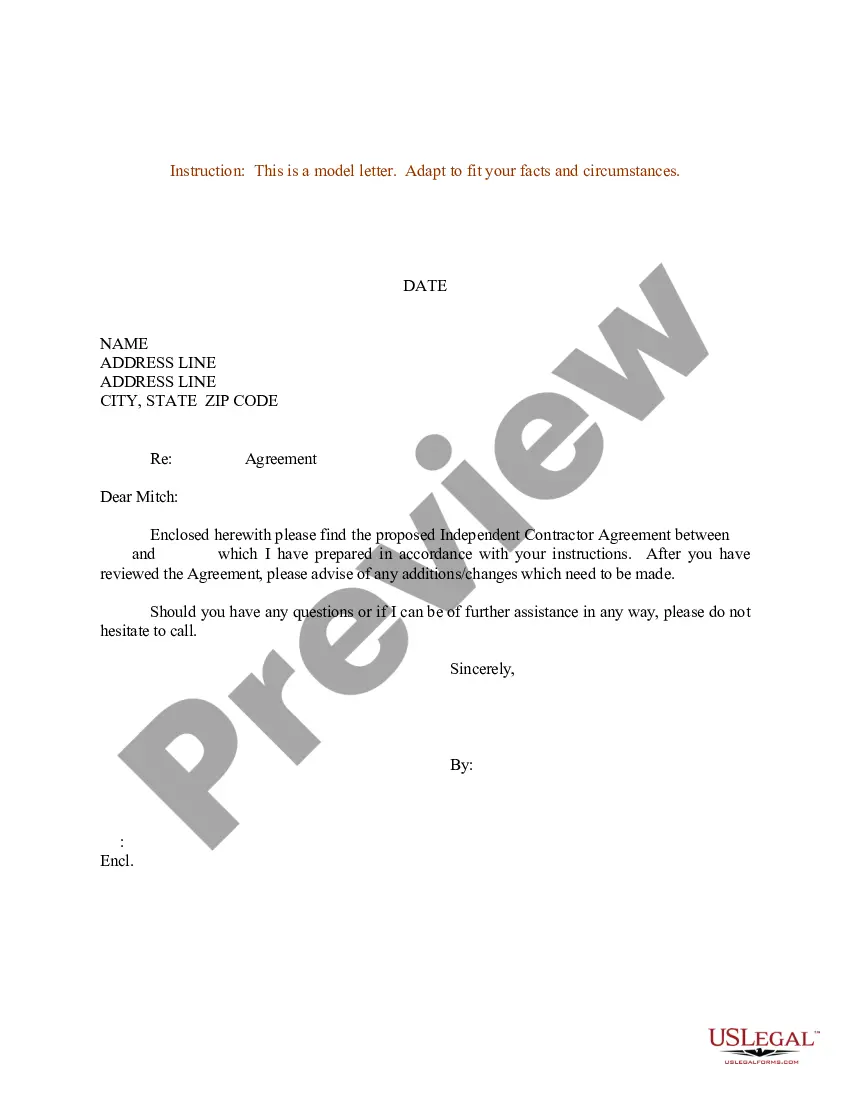
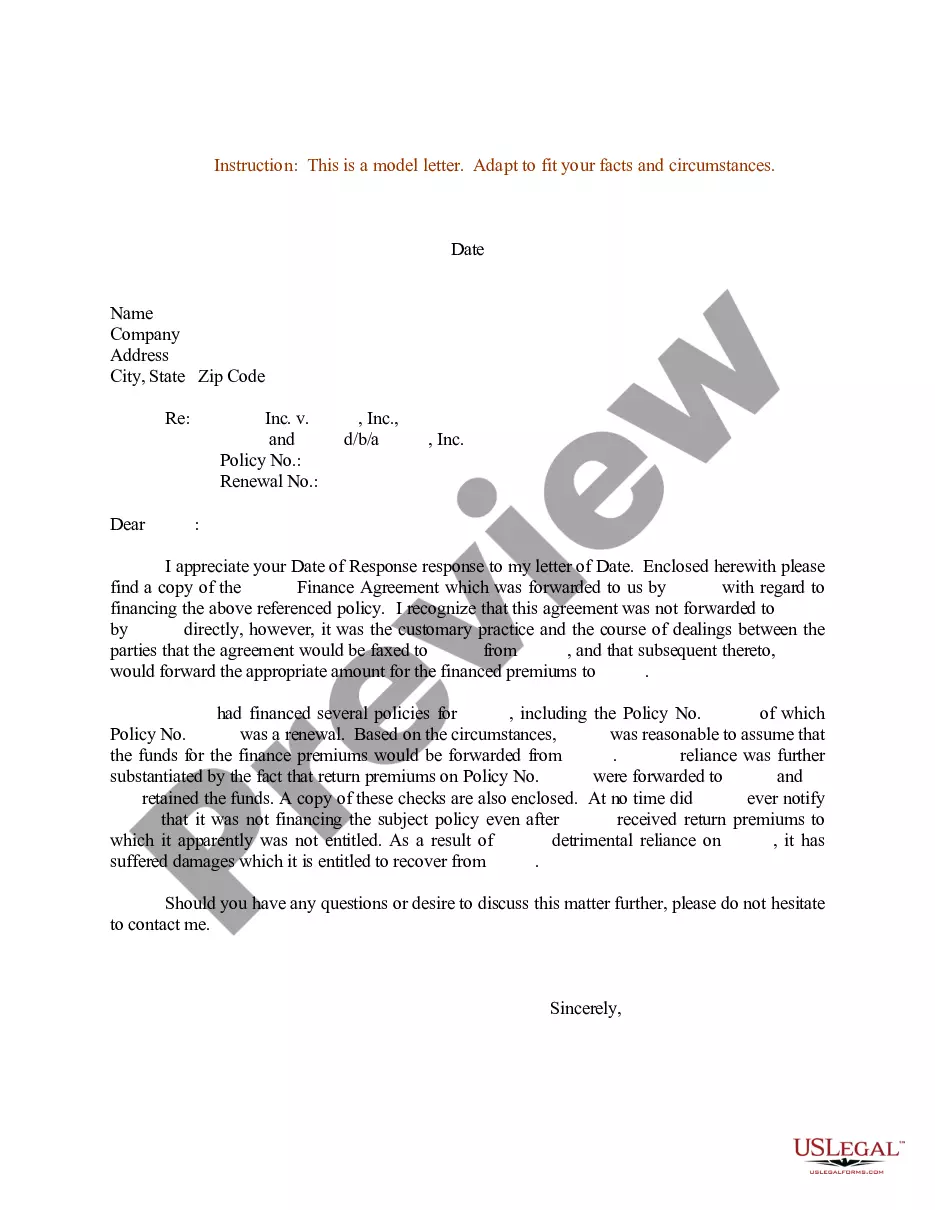
Get your form ready online
Our built-in tools help you complete, sign, share, and store your documents in one place.
Make edits, fill in missing information, and update formatting in US Legal Forms—just like you would in MS Word.
Download a copy, print it, send it by email, or mail it via USPS—whatever works best for your next step.
Sign and collect signatures with our SignNow integration. Send to multiple recipients, set reminders, and more. Go Premium to unlock E-Sign.
If this form requires notarization, complete it online through a secure video call—no need to meet a notary in person or wait for an appointment.
We protect your documents and personal data by following strict security and privacy standards.

Make edits, fill in missing information, and update formatting in US Legal Forms—just like you would in MS Word.

Download a copy, print it, send it by email, or mail it via USPS—whatever works best for your next step.

Sign and collect signatures with our SignNow integration. Send to multiple recipients, set reminders, and more. Go Premium to unlock E-Sign.

If this form requires notarization, complete it online through a secure video call—no need to meet a notary in person or wait for an appointment.

We protect your documents and personal data by following strict security and privacy standards.
Looking for another form?









Form popularity
FAQ
I am in financial hardship. I am applying to make a repayment arrangement on the grounds of financial hardship. I assume you will stay all enforcement action while you consider my application. If this is not possible, please let me know immediately in writing.
How to write an agreement letter Title your document. Provide your personal information and the date. Include the recipient's information. Address the recipient and write your introductory paragraph. Write a detailed body. Conclude your letter with a paragraph, closing remarks, and a signature. Sign your letter.
To write a simple contract, title it clearly, identify all parties and specify terms (services or payments). Include an offer, acceptance, consideration, and intent. Add a signature and date for enforceability. Written contracts reduce disputes and offer better legal security than verbal ones.
Filing a New York mechanics lien involves 3 steps: Fill out the proper NY mechanics lien form. New York law sets specific requirements for the form to use when filing a mechanics lien claim. Serve a copy of the lien on the property owner. Record the lien with the NY county recorder. File an Affidavit of Service.
To file a notice of lien, you must complete the Public Improvement Lien Form. You must also sign and notarize both the Lien Form and the Affidavit of Service. You can submit everything to DOF by mail or in person.
In general, no such minimums exist. While this is the general rule, it is important to consult each state's laws to verify that it doesn't have an odd-ball rule restricting small value liens. In theory, therefore, you could file a mechanics lien in almost every state claiming as little as a single dollar.
Can an unlicensed contractor file a New York mechanics lien? No, if the work being performed requires a license, the claimant must be licensed in order to file a mechanics lien in New York.
(a) Filing. In a case specified in section 6501, the notice of pendency shall be filed in the office of the clerk of any county where property affected is situated, before or after service of summons and at any time prior to judgment.

