Made A Director Without Consent In Pennsylvania
Description
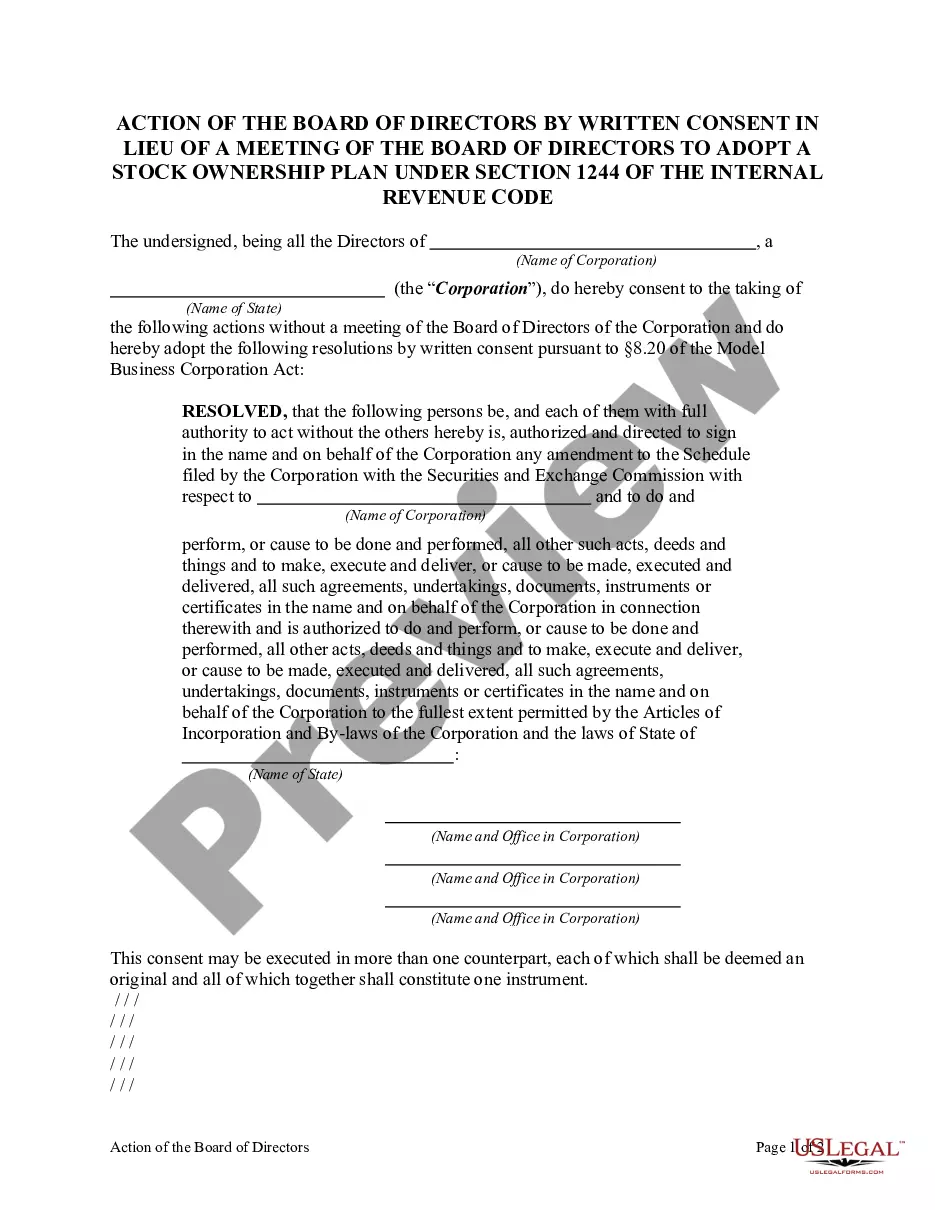
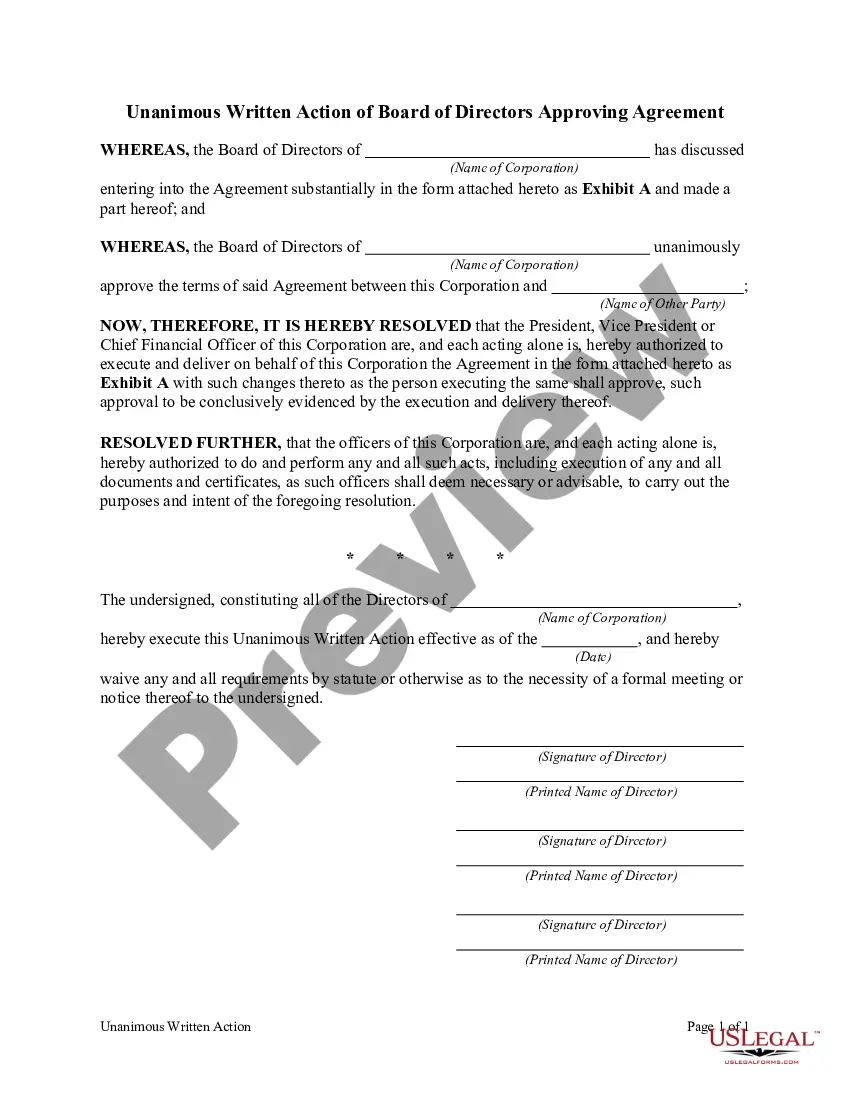
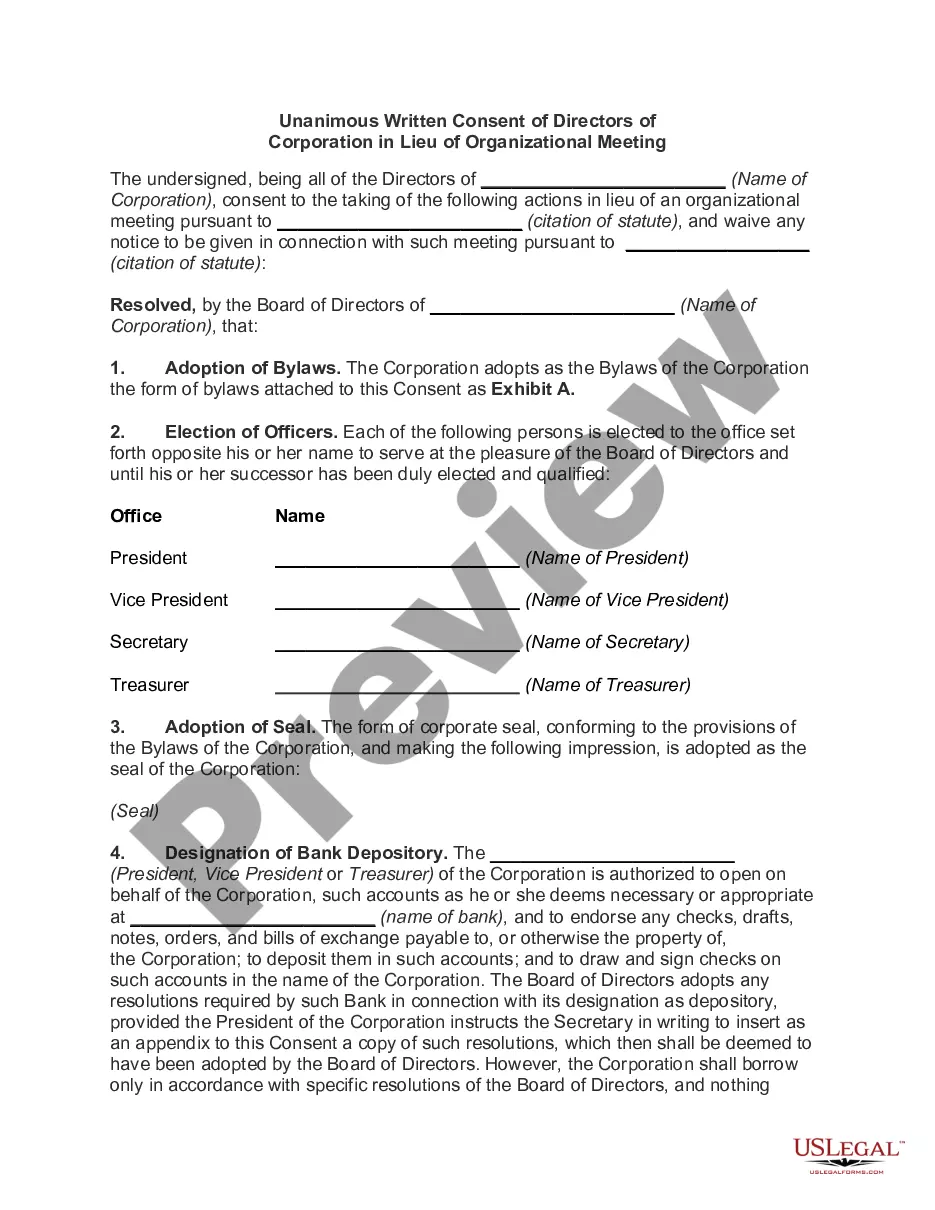
Get your form ready online
Our built-in tools help you complete, sign, share, and store your documents in one place.
Make edits, fill in missing information, and update formatting in US Legal Forms—just like you would in MS Word.
Download a copy, print it, send it by email, or mail it via USPS—whatever works best for your next step.
Sign and collect signatures with our SignNow integration. Send to multiple recipients, set reminders, and more. Go Premium to unlock E-Sign.
If this form requires notarization, complete it online through a secure video call—no need to meet a notary in person or wait for an appointment.
We protect your documents and personal data by following strict security and privacy standards.

Make edits, fill in missing information, and update formatting in US Legal Forms—just like you would in MS Word.

Download a copy, print it, send it by email, or mail it via USPS—whatever works best for your next step.

Sign and collect signatures with our SignNow integration. Send to multiple recipients, set reminders, and more. Go Premium to unlock E-Sign.

If this form requires notarization, complete it online through a secure video call—no need to meet a notary in person or wait for an appointment.

We protect your documents and personal data by following strict security and privacy standards.
Looking for another form?








Form popularity
FAQ
Title 15 - CORPORATIONS AND UNINCORPORATED ASSOCIATIONS. § 101. Short title and application of title.
In Pennsylvania, a corporation need not adopt bylaws at its formation, but bylaws are sometimes adopted by the incorporator or board of directors at formation or a later time.
--A director or officer who makes a business judgment in good faith fulfills the duties under this section if: (1) the subject of the business judgment does not involve self-dealing by the director or officer or an associate or affiliate of the director or officer; (2) the director or officer is informed with respect ...
(b) Action by consent. --Unless otherwise restricted in the bylaws, any action required or permitted to be approved at a meeting of the directors may be approved without a meeting by a consent or consents to the action in record form .
--Unless otherwise restricted in the bylaws, any action required or permitted to be taken at a meeting of the shareholders or of a class of shareholders of a business corporation may be taken without a meeting if a consent or consents to the action in record form are signed, before, on or after the effective time of ...
--Unless otherwise provided in the bylaws, a majority of the directors in office of a business corporation shall be necessary to constitute a quorum for the transaction of business, and the acts of a majority of the directors present and voting at a meeting at which a quorum is present shall be the acts of the board of ...
Shareholder Vote - In many jurisdictions, directors can be removed by a majority vote of the shareholders. If the company's bylaws allow, shareholders can call a meeting and vote to remove the director, even if they do not consent.
--Unless otherwise restricted in the bylaws, any action required or permitted to be taken at a meeting of the shareholders or of a class of shareholders of a business corporation may be taken without a meeting if a consent or consents to the action in record form are signed, before, on or after the effective time of ...
§ 5701 et seq., Pennsylvania is an “all-party consent” state. § 5704(4). That means in order to record (or in the language of the Act, “intercept”) a call, your client must get the consent of all parties to the conversation or face felony criminal penalties and civil claims for liability.
