Appointed Director Without Consent In Maryland
Description
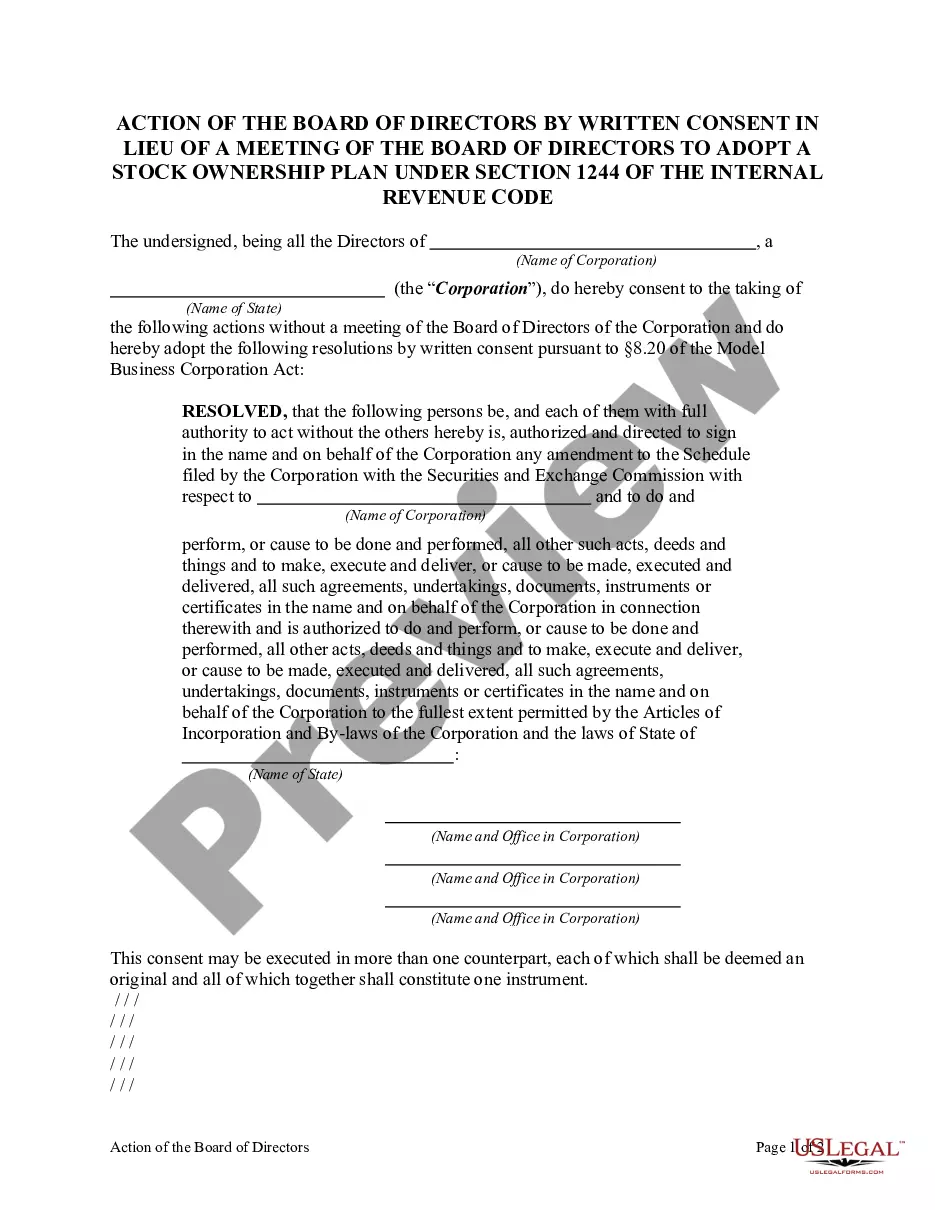
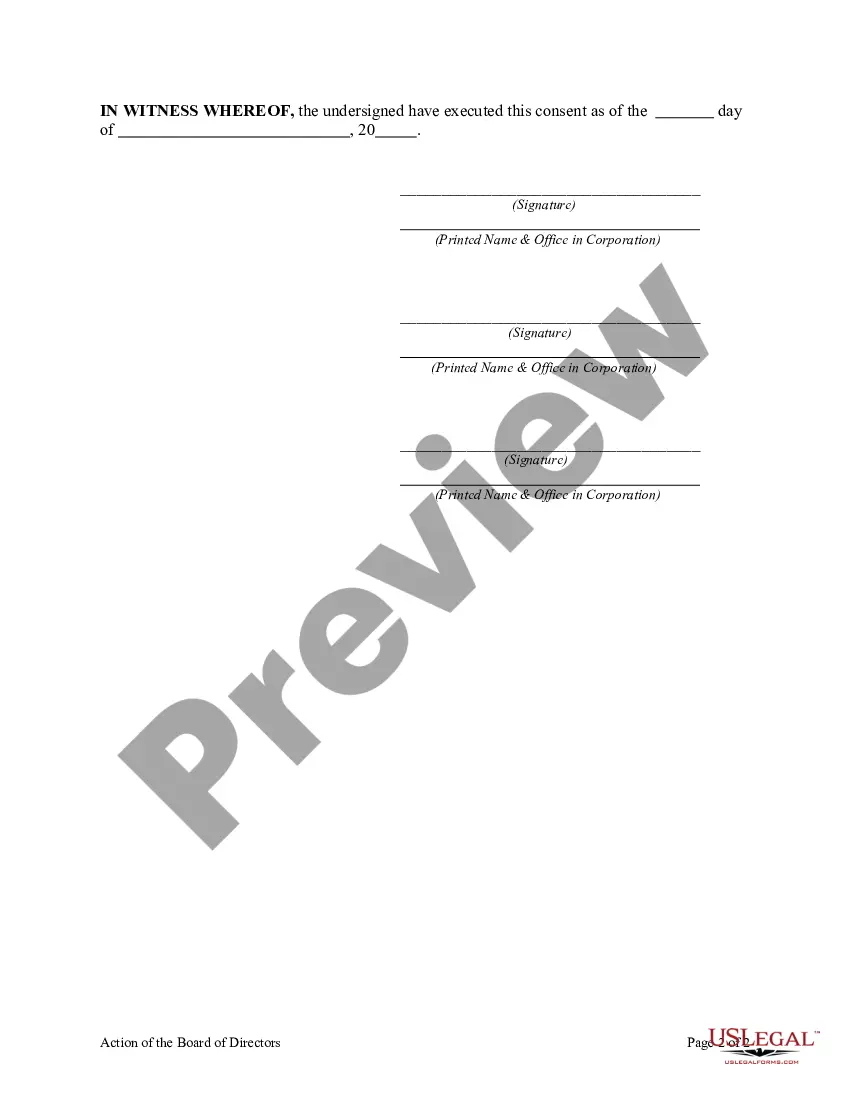
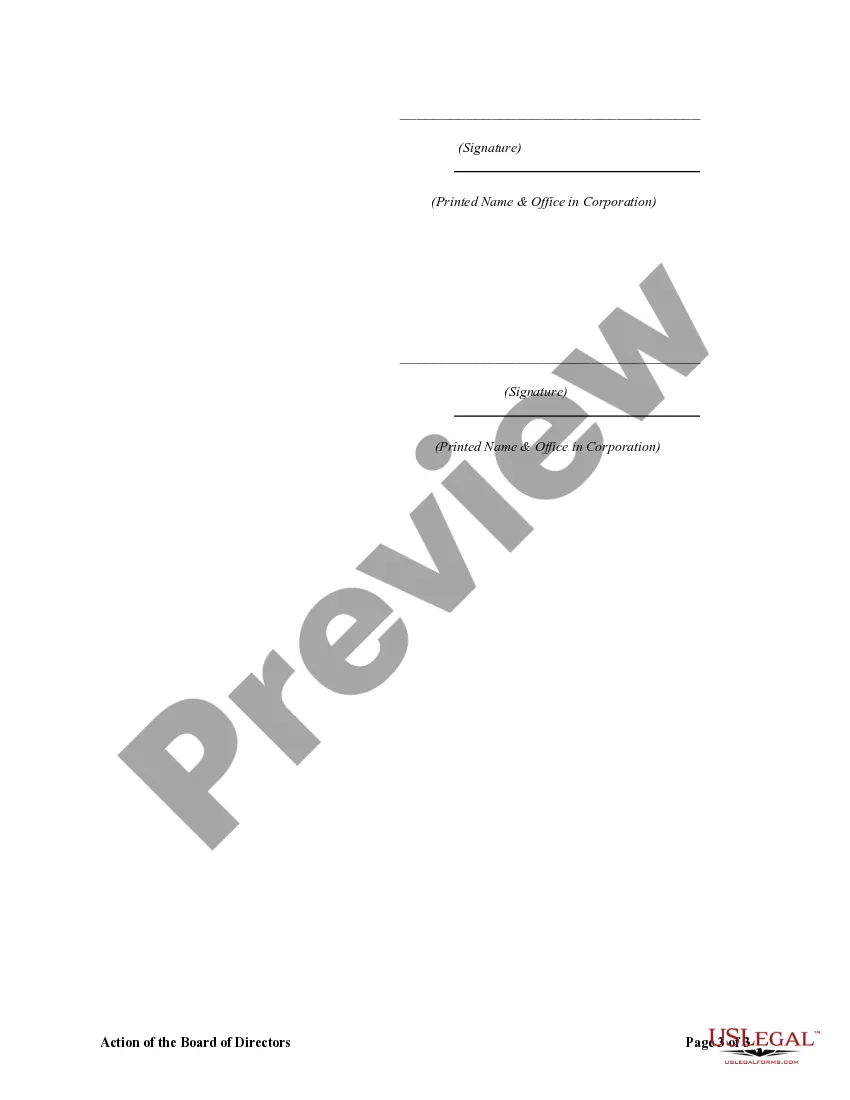
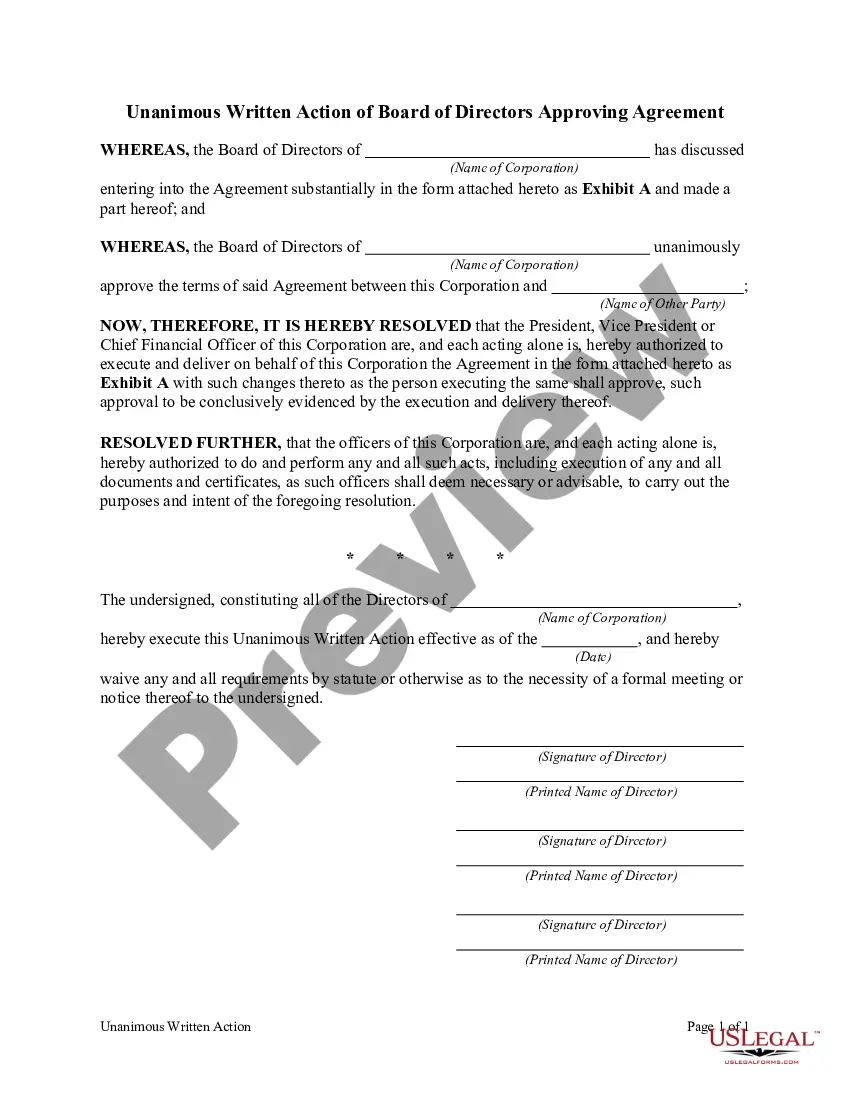
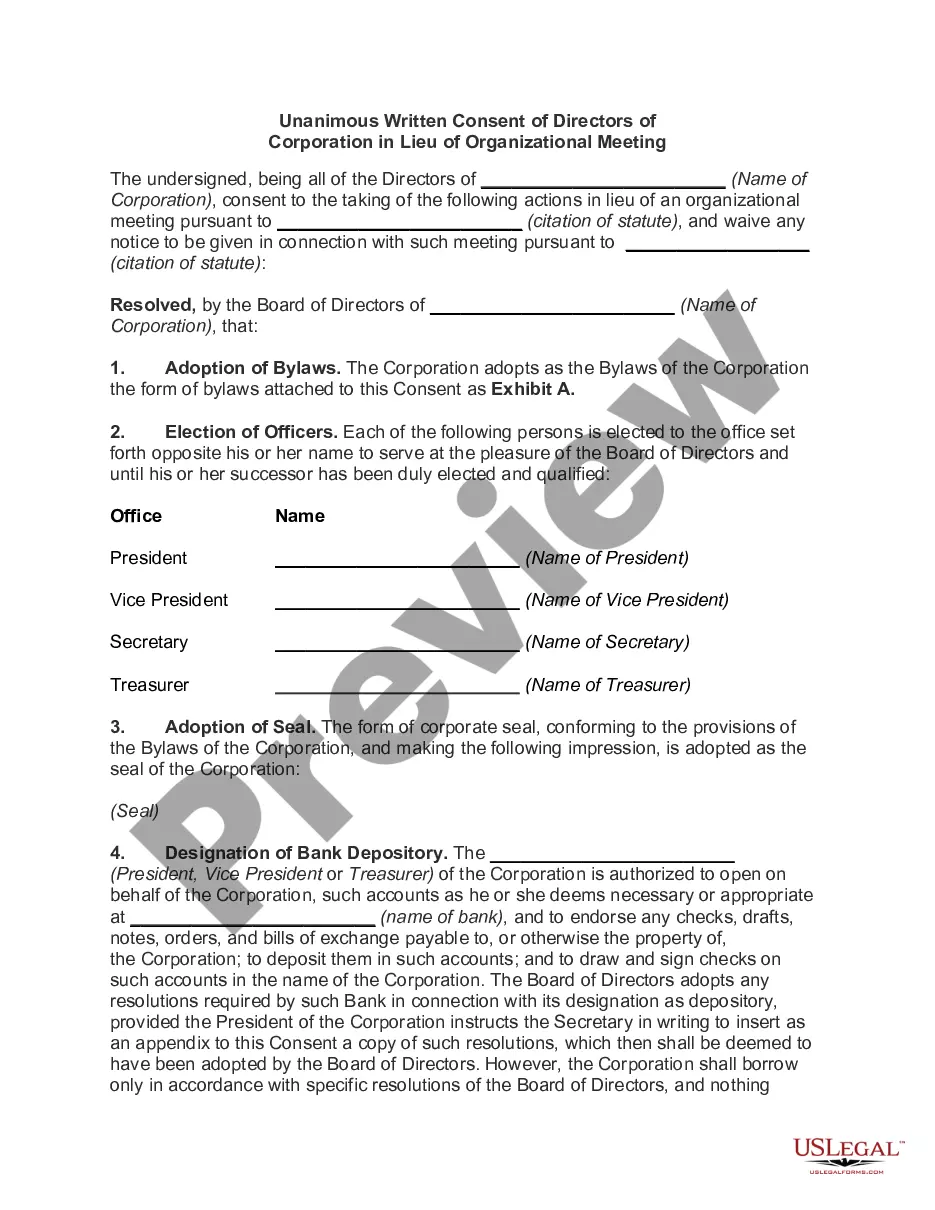
Get your form ready online
Our built-in tools help you complete, sign, share, and store your documents in one place.
Make edits, fill in missing information, and update formatting in US Legal Forms—just like you would in MS Word.
Download a copy, print it, send it by email, or mail it via USPS—whatever works best for your next step.
Sign and collect signatures with our SignNow integration. Send to multiple recipients, set reminders, and more. Go Premium to unlock E-Sign.
If this form requires notarization, complete it online through a secure video call—no need to meet a notary in person or wait for an appointment.
We protect your documents and personal data by following strict security and privacy standards.

Make edits, fill in missing information, and update formatting in US Legal Forms—just like you would in MS Word.

Download a copy, print it, send it by email, or mail it via USPS—whatever works best for your next step.

Sign and collect signatures with our SignNow integration. Send to multiple recipients, set reminders, and more. Go Premium to unlock E-Sign.

If this form requires notarization, complete it online through a secure video call—no need to meet a notary in person or wait for an appointment.

We protect your documents and personal data by following strict security and privacy standards.
Looking for another form?

Form popularity
FAQ
The business judgment rule insulates business decisions from judicial review absent a showing that the officers acted fraudulently or in bad faith. (NAACP v. Golding.) Courts will not second-guess the actions of directors unless it appears that they are the result of fraud, dishonesty, or incompetence.
The Business Judgment Rule The decisions must be the products of appropriate care and thought. The rule protects officers and directors from liability where they have made decisions in good faith and using appropriate procedures, even if those decisions turn out to be poor or unwise.
Your Right to Take Video and Photographs When in outdoor public spaces where you are legally present, you have the right to capture any image that is in plain view.
Under this standard, a court will uphold the decisions of a director as long as they are made (1) in good faith , (2) with the care that a reasonably prudent person would use, and (3) with the reasonable belief that the director is acting in the best interests of the corporation.
Under Maryland's Wiretap Act, it is unlawful to record any private in-person conversation or any telephone or electronic communication unless you are a party to the conversation and have the permission of all the other parties. Additionally, recording with criminal or tortious purpose is illegal, regardless of consent.
The business judgment rule insulates business decisions from judicial review absent a showing that the officers acted fraudulently or in bad faith. (NAACP v. Golding.) Courts will not second-guess the actions of directors unless it appears that they are the result of fraud, dishonesty, or incompetence.
Most types of audio recordings are illegal unless all parties know the recording is taking place. Under Maryland law, in both residential households and in a place of business, people must be clearly told that audio recording is happening. In some situations, such as a phone call, implied consent is enough.
The one-party consent rule means that in most states, one person can record a conversation without telling the other person. This is usually done over the phone or in person. However, it's important to note that not all states follow this rule.
