Broker Commercial Real Estate Without License In Wake
Description

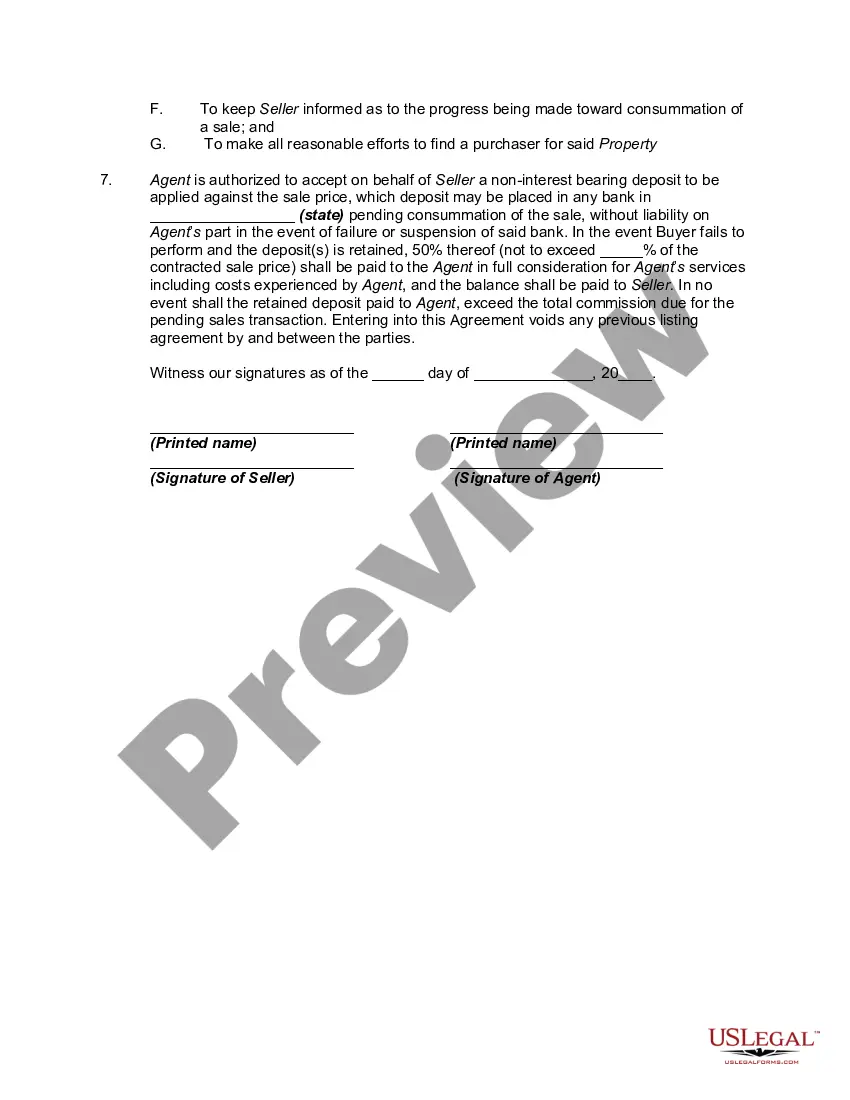

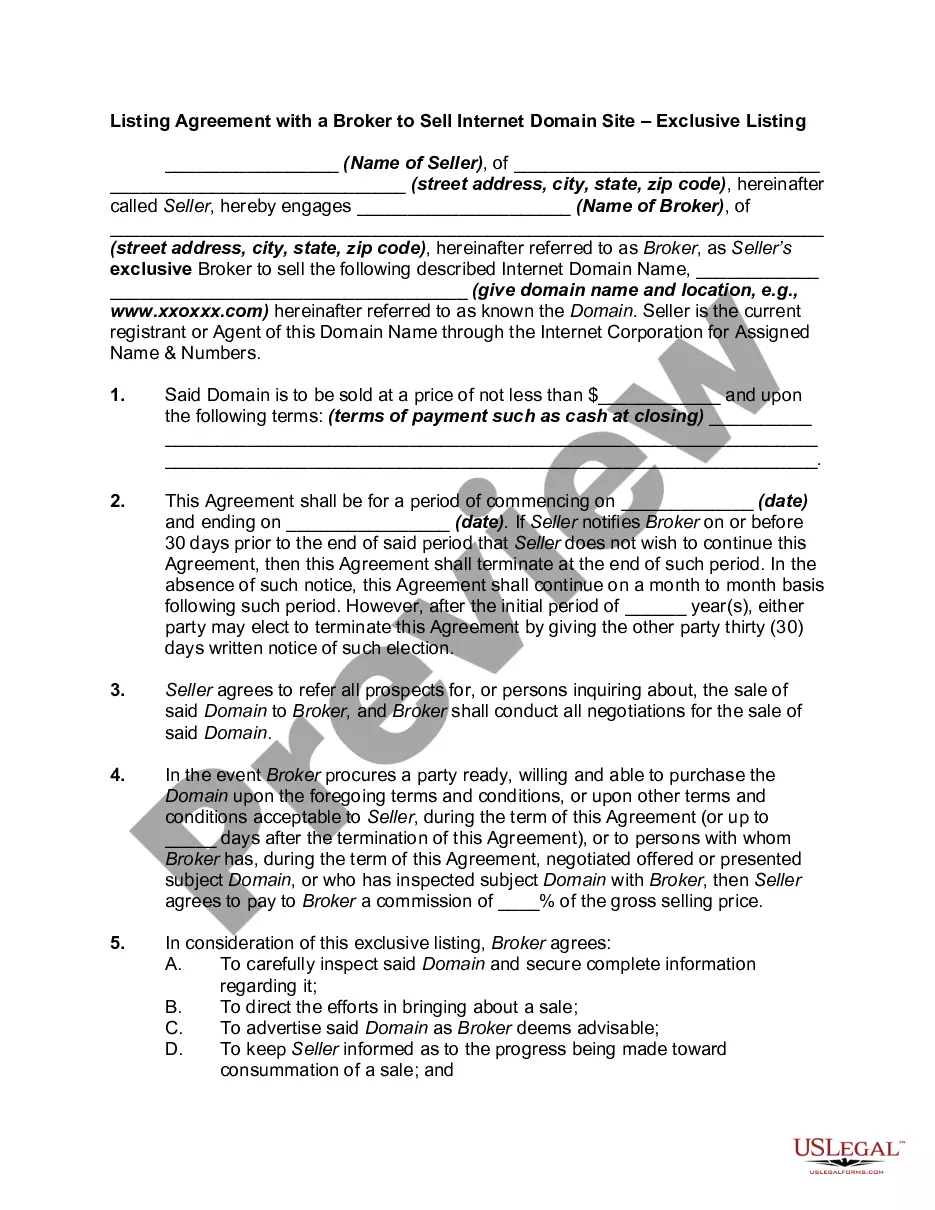
Get your form ready online
Our built-in tools help you complete, sign, share, and store your documents in one place.
Make edits, fill in missing information, and update formatting in US Legal Forms—just like you would in MS Word.
Download a copy, print it, send it by email, or mail it via USPS—whatever works best for your next step.
Sign and collect signatures with our SignNow integration. Send to multiple recipients, set reminders, and more. Go Premium to unlock E-Sign.
If this form requires notarization, complete it online through a secure video call—no need to meet a notary in person or wait for an appointment.
We protect your documents and personal data by following strict security and privacy standards.

Make edits, fill in missing information, and update formatting in US Legal Forms—just like you would in MS Word.

Download a copy, print it, send it by email, or mail it via USPS—whatever works best for your next step.

Sign and collect signatures with our SignNow integration. Send to multiple recipients, set reminders, and more. Go Premium to unlock E-Sign.

If this form requires notarization, complete it online through a secure video call—no need to meet a notary in person or wait for an appointment.

We protect your documents and personal data by following strict security and privacy standards.
Looking for another form?









Form popularity
FAQ
Yes. The PB can be dually affiliated with BICs of two different firms as long as both BICs are located at the same physical location and acting as co-listing or co-selling agents.
Agents help people buy, sell, and rent properties. These individuals work for brokers. Brokers, on the other hand, can work on their own, set their own hours, and hire agents to work for them.
A North Carolina wholesale license, officially referred to as the Certificate of Registration, is essential for any North Carolina business engaging in taxable sales and transactions within the state.
Ing to Section 40-57-30, “Wholesaling” involves having a contractual interest in purchasing residential real estate and marketing it for sale before taking legal ownership. Advertising or marketing real estate owned by another for compensation now requires a broker's license.
How to Get Your Commercial Real Estate License in North Carolina #1 – Finish 75 Hours of Pre-Licensing Education. #2 – Submit a License Application. #3 – Pass the License Exam. #4 – Find a Sponsor Broker. #5 – Complete 90 Hours of Post-Licensing Education.
For sale by owner platforms Others simply want to maximize their proceeds by avoiding the broker commission. First, it is worth noting that owners can add their commercial properties to most CRE listings platforms without a broker's help. These platforms do not limit their listings to those represented by brokers.
No, a wholesaler in North Carolina will not need a real estate license as long as their actions do not violate established license and real estate law in the state. Some wholesalers in the state consider earning a real estate license as this would increase their knowledge about the market and the real estate business.
Civil penalties usually accrue on a per-violation basis and, most notably, include substantial fines. A person who engages in practicing real estate without a license also may face civil lawsuits.
