Listing Agreement In Real Estate In Virginia
Description

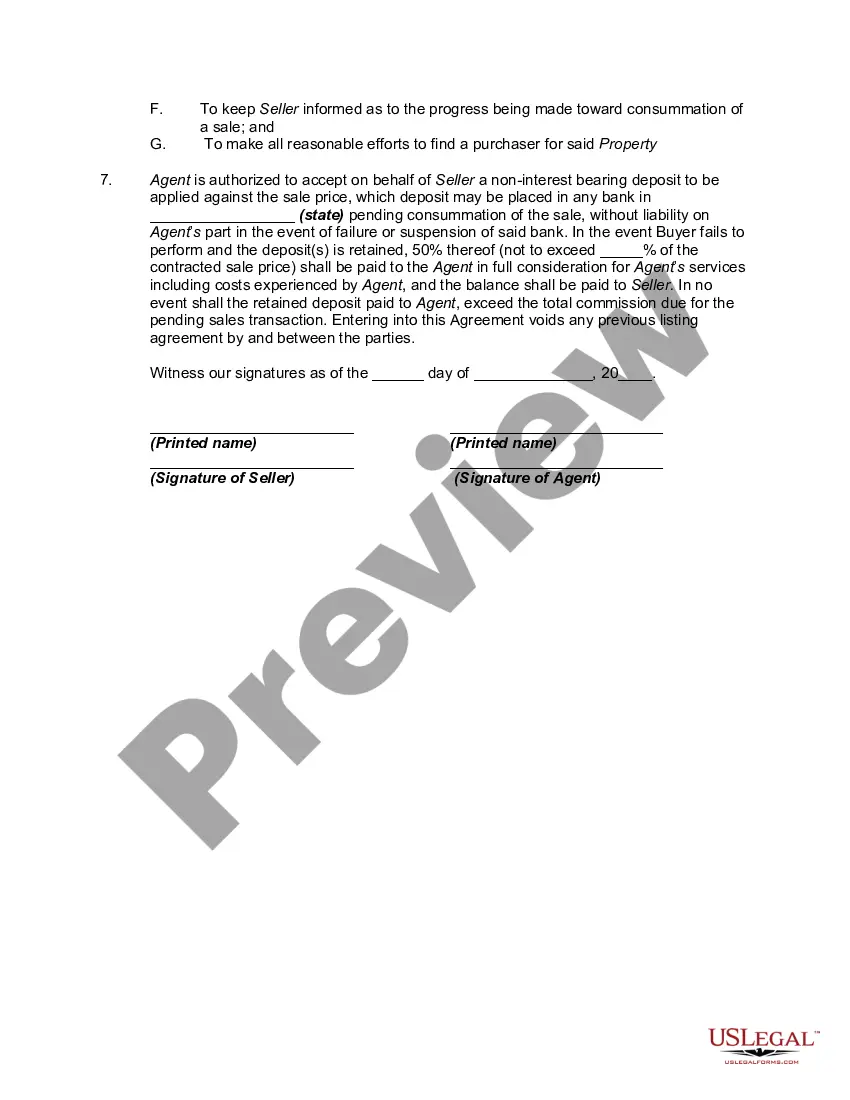

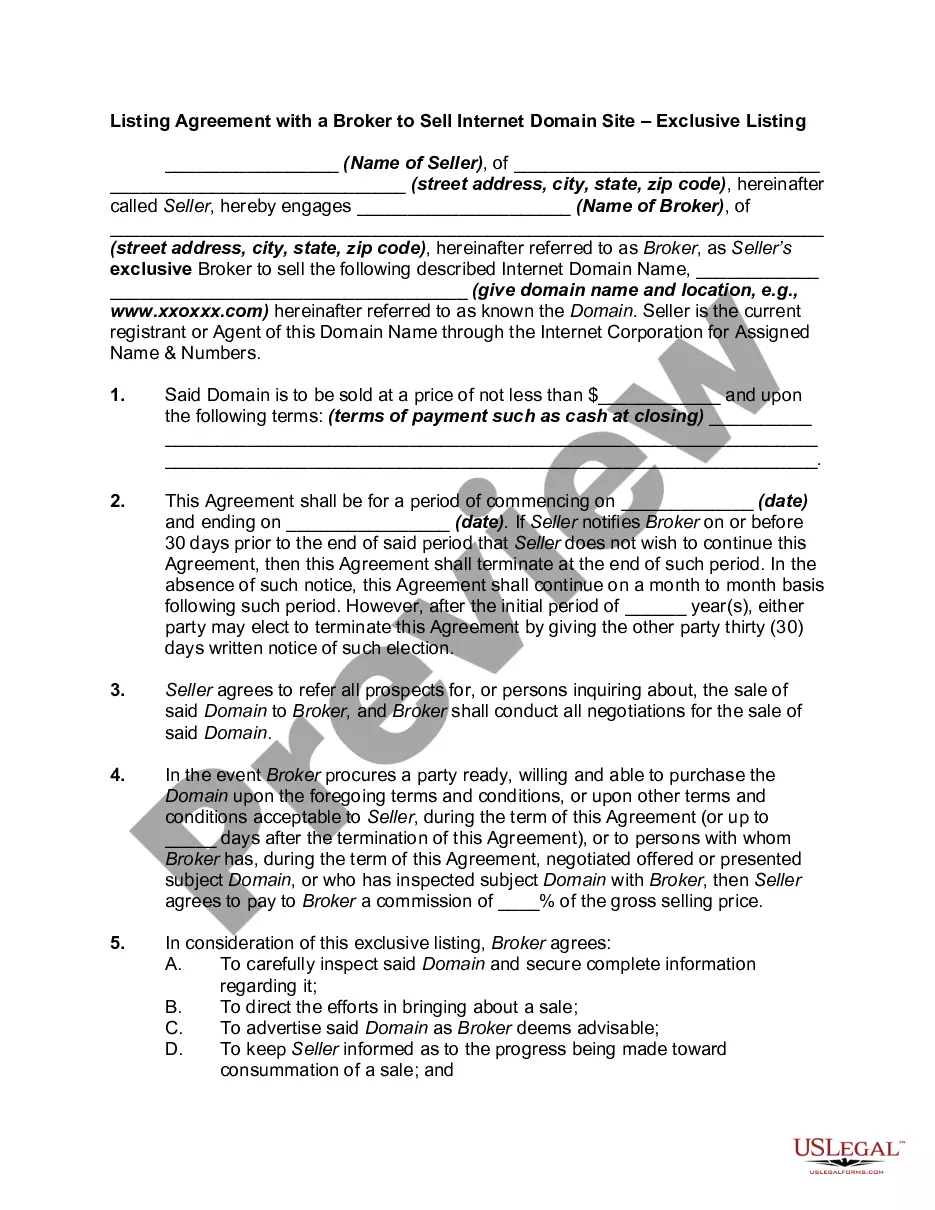
Get your form ready online
Our built-in tools help you complete, sign, share, and store your documents in one place.
Make edits, fill in missing information, and update formatting in US Legal Forms—just like you would in MS Word.
Download a copy, print it, send it by email, or mail it via USPS—whatever works best for your next step.
Sign and collect signatures with our SignNow integration. Send to multiple recipients, set reminders, and more. Go Premium to unlock E-Sign.
If this form requires notarization, complete it online through a secure video call—no need to meet a notary in person or wait for an appointment.
We protect your documents and personal data by following strict security and privacy standards.

Make edits, fill in missing information, and update formatting in US Legal Forms—just like you would in MS Word.

Download a copy, print it, send it by email, or mail it via USPS—whatever works best for your next step.

Sign and collect signatures with our SignNow integration. Send to multiple recipients, set reminders, and more. Go Premium to unlock E-Sign.

If this form requires notarization, complete it online through a secure video call—no need to meet a notary in person or wait for an appointment.

We protect your documents and personal data by following strict security and privacy standards.
Looking for another form?





Form popularity
FAQ
A licensee engaged by a buyer does not breach any duty or obligation to the buyer by showing properties in which the buyer is interested to other prospective buyers, whether as clients or customers, by representing other buyers looking at the same or other properties, or by representing sellers relative to other ...
The Code of Virginia requires a written brokerage agreement when a brokerage relationship, as defined in § 54.1-2130, is created. When a customer becomes a client is based upon the party's intent.
While there are many states that require the use of an attorney in a real estate transaction, Virginia law lets buyers and sellers choose whether they want to use an attorney or a title and escrow company to handle their real estate settlement.
An exclusive right to sell listing is the most widely-used listing agreement. Under this agreement, the broker has the exclusive right to market the property for a specified period of time.
The exclusive right to sell listing agreement is the most common type of agreement in real estate. Under this arrangement, the broker is given exclusive rights to market the property for a set period.
A listing agreement is a contract between a property owner and a real estate brokerage that authorizes the broker to represent the seller and act as their agent in the sale of the property.
A real estate listing agreement – also known as a seller's agent agreement – is a contract between a property owner and a real estate broker. It permits the broker to sell the home on the seller's terms, locating an appropriate buyer. The property owner pays the brokerage a commission for acting as the listing agent.
A pocket listing (aka “whisper listing” or “office exclusive”) is a property for sale that is not listed on the MLS. Instead, the agent keeps the listing “in their pocket,” offering it privately to select buyers or agents in their network.
A listing agreement is a contract between a property owner and a real estate brokerage that authorizes the broker to represent the seller and act as their agent in the sale of the property.
