Agent For Commercial Property In Utah
Description

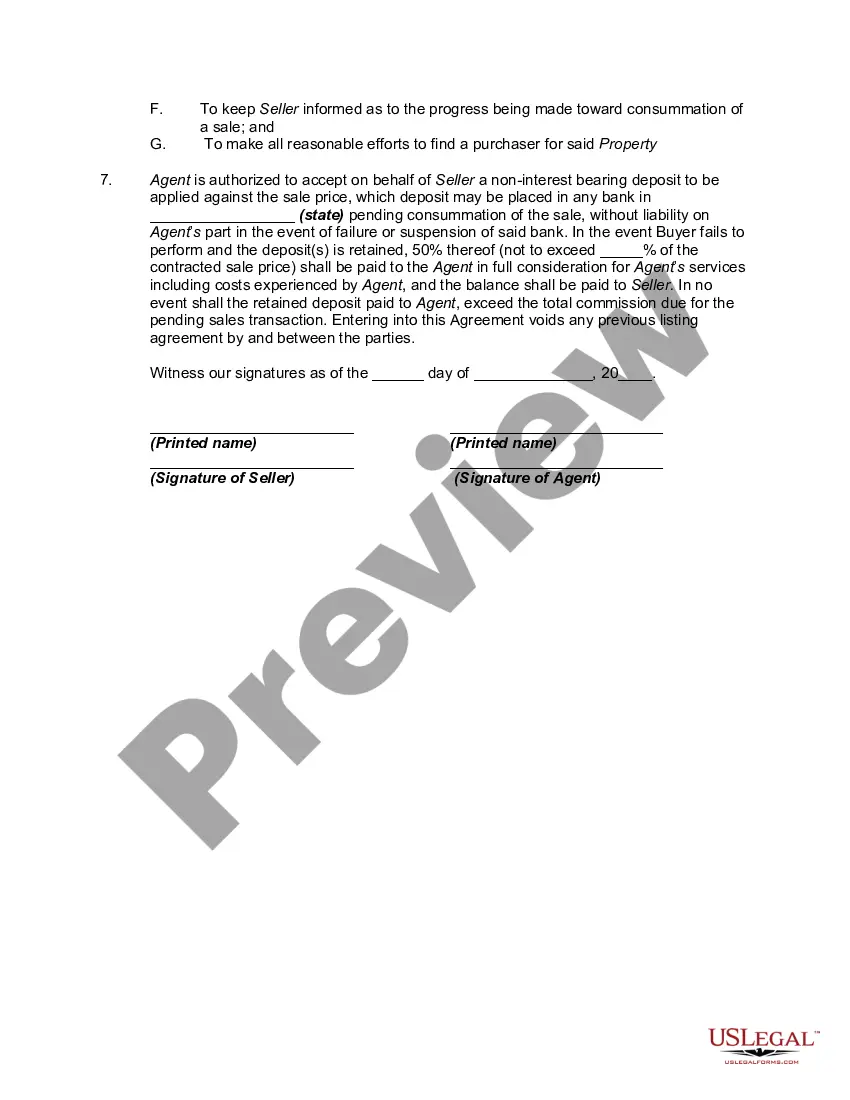

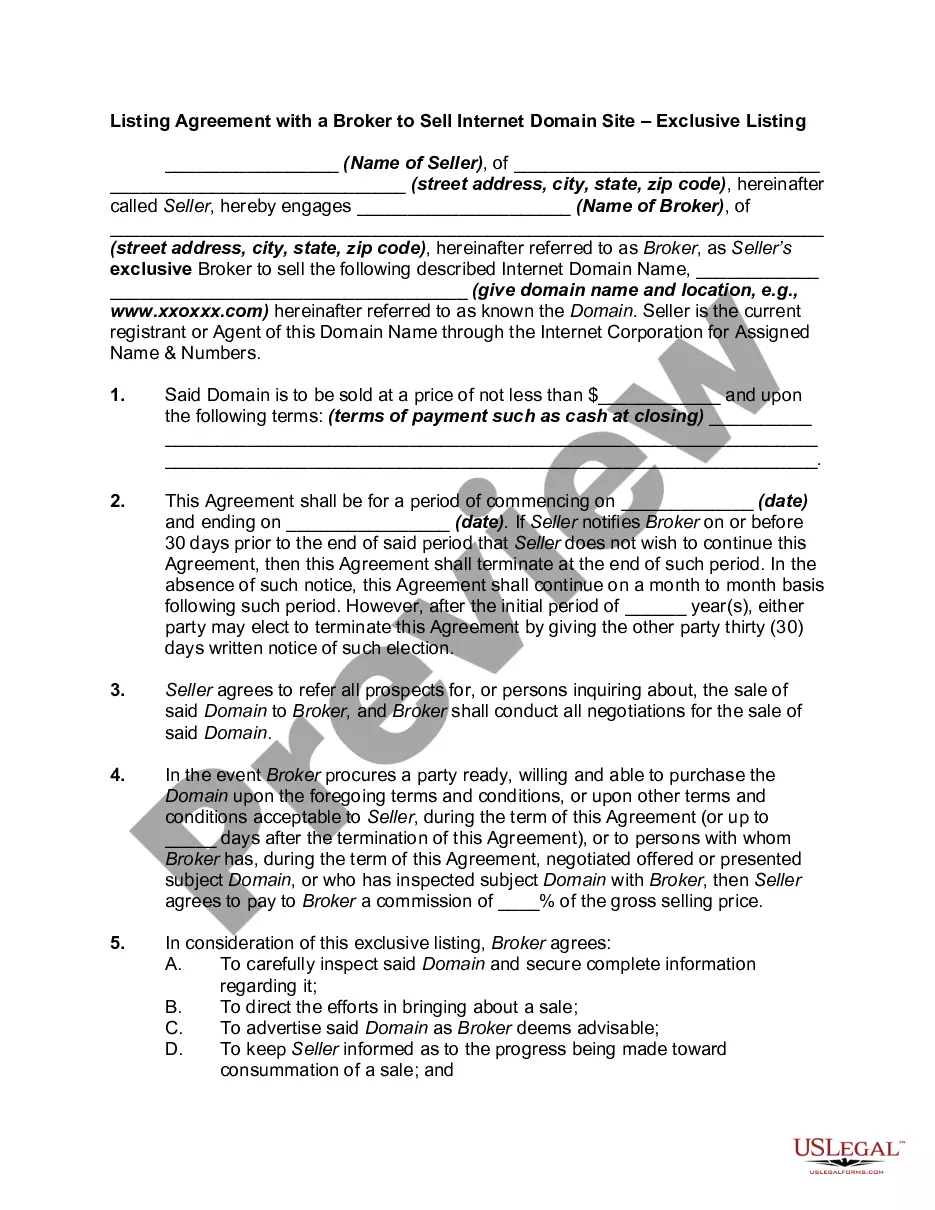
Get your form ready online
Our built-in tools help you complete, sign, share, and store your documents in one place.
Make edits, fill in missing information, and update formatting in US Legal Forms—just like you would in MS Word.
Download a copy, print it, send it by email, or mail it via USPS—whatever works best for your next step.
Sign and collect signatures with our SignNow integration. Send to multiple recipients, set reminders, and more. Go Premium to unlock E-Sign.
If this form requires notarization, complete it online through a secure video call—no need to meet a notary in person or wait for an appointment.
We protect your documents and personal data by following strict security and privacy standards.

Make edits, fill in missing information, and update formatting in US Legal Forms—just like you would in MS Word.

Download a copy, print it, send it by email, or mail it via USPS—whatever works best for your next step.

Sign and collect signatures with our SignNow integration. Send to multiple recipients, set reminders, and more. Go Premium to unlock E-Sign.

If this form requires notarization, complete it online through a secure video call—no need to meet a notary in person or wait for an appointment.

We protect your documents and personal data by following strict security and privacy standards.
Looking for another form?






Form popularity
FAQ
All businesses in Utah are required by law to register with the Utah Department of Commerce either as a " DBA " (Doing Business As), corporation, limited liability company, or limited partnership.
Per Utah Code § 16-7-15, registered agents are legally required in Utah. At a minimum, your registered agent must list a physical address on the public record and be present at that address during business hours.
Is an operating agreement required in Utah? Utah doesn't specifically require LLCs to enter into an operating agreement. However, in the absence of one, your LLC will be governed by the Utah Revised Uniform Limited Liability Company Act.
To earn your real estate license in Utah, you must: Be at least 18 years old. Complete the 120-hour licensing courses and exams. Pass the Utah sales agent licensing exams. Complete fingerprinting and background check. Apply for your license with the Utah Division of Real Estate (UTDRE)
A registered agent is a person or entity that receives legal documents on behalf of a business, while an owner is responsible for making decisions about the business's operations and finances. A registered agent is a person or entity that is authorized to receive legal documents and notices on behalf of a business.
How to create a Utah LLC in 6 steps Step 1: Choose your business name. Step 2: Appoint a registered agent. Step 3: File certificate of organization. Step 4: Create an operating agreement. Step 5: Obtain an EIN and open a separate business bank account. Step 6: Register for state taxes and business licenses.
Register your business in Utah in two easy steps: First, you'll need to create an account with Utah's OneStop Business Registration System. Once you've created an account, you'll be able to register with both the Utah State Tax Commission and the Utah Department of Workforce Services online.
To find the registered agent of a company, contact the business filing office in the state where the business is registered. What Happens if I Don't Have a Registered Agent? If you don't have a registered agent, most states won't accept your formation filings.
