Agent For Commercial Lease In San Jose
Description

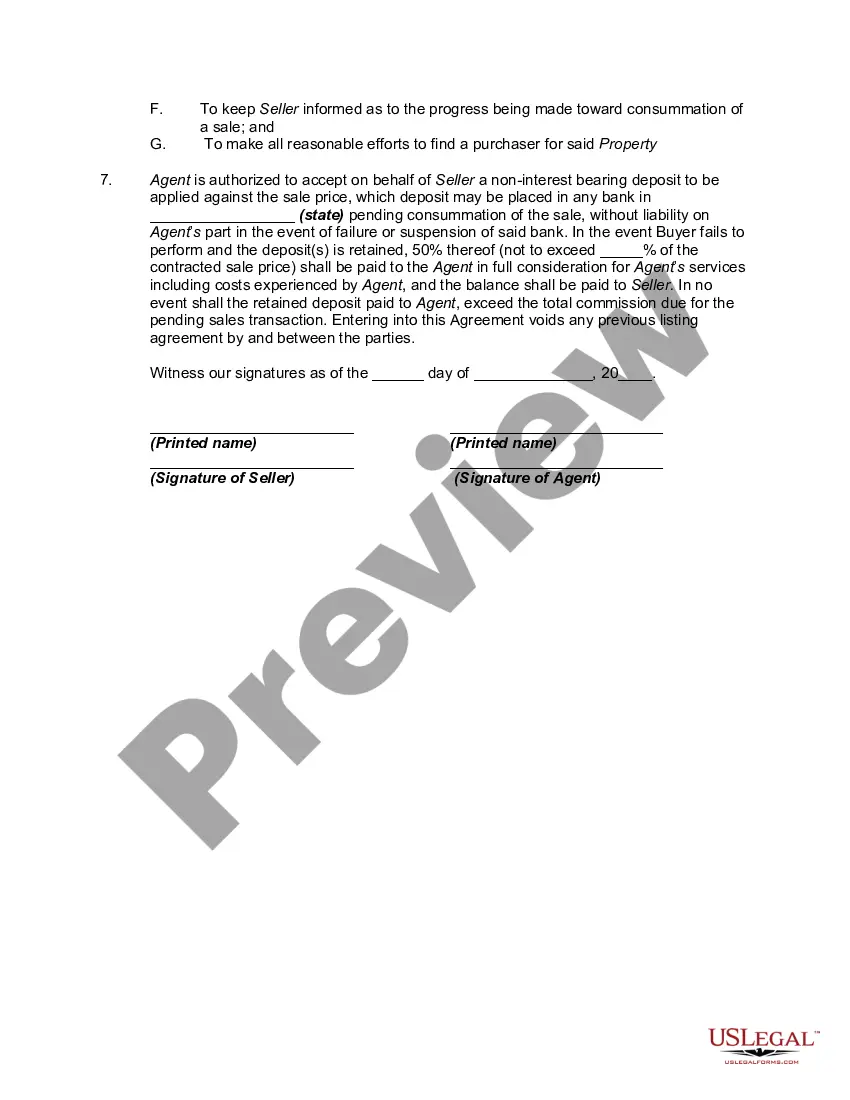

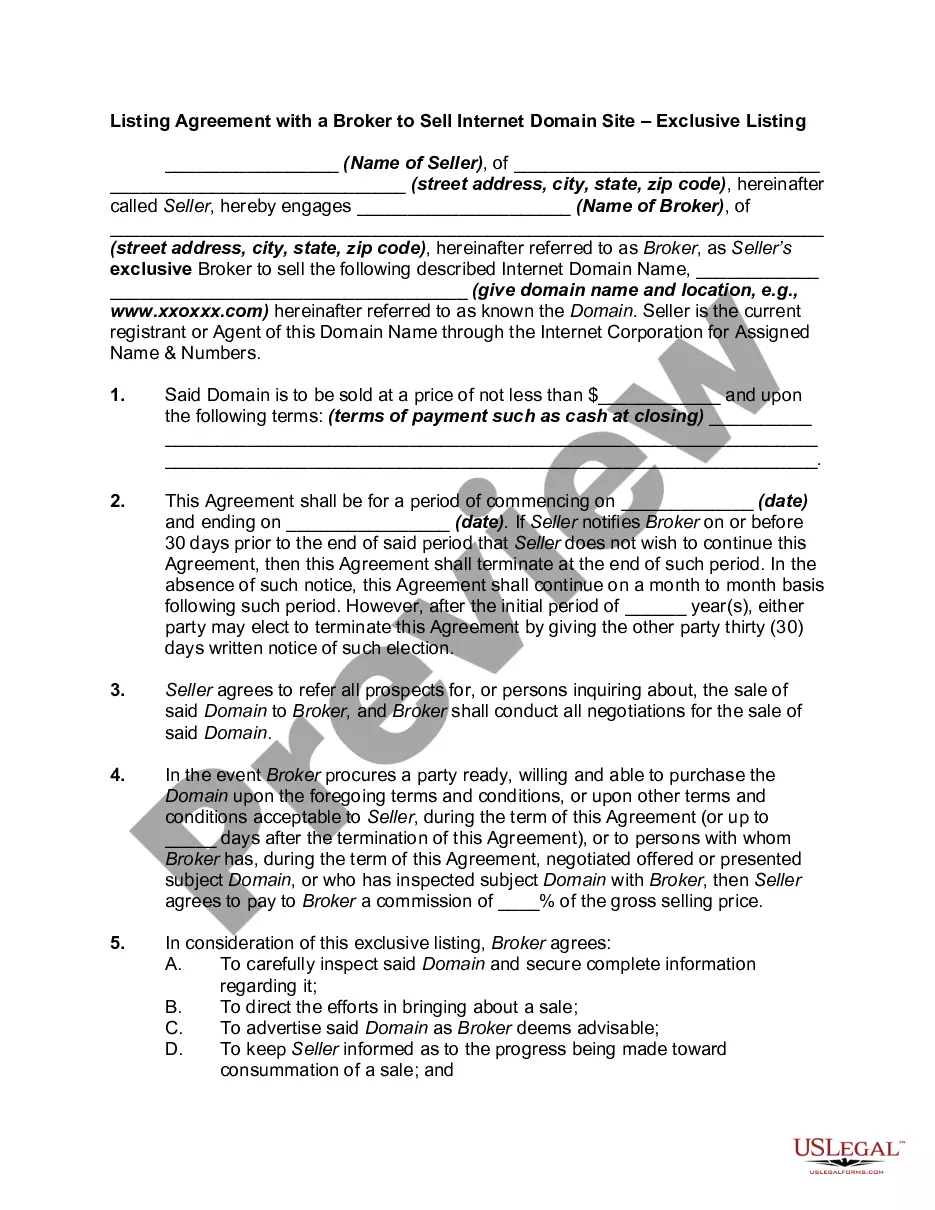
Get your form ready online
Our built-in tools help you complete, sign, share, and store your documents in one place.
Make edits, fill in missing information, and update formatting in US Legal Forms—just like you would in MS Word.
Download a copy, print it, send it by email, or mail it via USPS—whatever works best for your next step.
Sign and collect signatures with our SignNow integration. Send to multiple recipients, set reminders, and more. Go Premium to unlock E-Sign.
If this form requires notarization, complete it online through a secure video call—no need to meet a notary in person or wait for an appointment.
We protect your documents and personal data by following strict security and privacy standards.

Make edits, fill in missing information, and update formatting in US Legal Forms—just like you would in MS Word.

Download a copy, print it, send it by email, or mail it via USPS—whatever works best for your next step.

Sign and collect signatures with our SignNow integration. Send to multiple recipients, set reminders, and more. Go Premium to unlock E-Sign.

If this form requires notarization, complete it online through a secure video call—no need to meet a notary in person or wait for an appointment.

We protect your documents and personal data by following strict security and privacy standards.
Looking for another form?









Form popularity
FAQ
5 Steps to Leasing a Commercial Property Step 1: Assess your business. Step 2: Search for properties that meet your needs and budget. Step 3: Set up Showings. Step 4: Negotiate the Letter of Intent (LOI) or Lease Proposal. Step 5: Executing a Lease.
At the very least, a commercial lease should identify the parties to the lease, state who is the landlord and who is the tenant, give the address of the property, and include the amount of the rent. It should also include a start date and an allocation of any other costs. Both parties should sign the lease.
Leases must be for a minimum period of five years unless the tenant waives that minimum period. A commercial lease can be for any term negotiated between the parties.
Gross Lease Gross leases are most common for commercial properties such as offices and retail space. The tenant pays a single, flat amount that includes rent, taxes, utilities, and insurance.
What is Agency Leasing? Agency leasing representatives work with property owners to help them navigate the complex nature of their market, build and stabilize occupancy, attract tenants through property marketing efforts and enhance the overall investment value of their property.
Leasing agents find new tenants for residential or commercial rental properties, handle the signing of leases and provide customer service for existing tenants. They establish a rapport with existing tenants and provide them with personalized service. They may also follow up with prospective tenants.
21 Ideas to Generate Commercial Real Estate Leads Build a List. Research Contacts. Research New Deals. Use CRE Prospecting Software. Use CRE Data Sources. Research Leads on LinkedIn. Leads Through Your Website. Capture Blog Visitors.
Negotiating a favorable lease agreement is crucial for any business owner seeking to lease commercial space. However, the intricate world of commercial real estate leases can be difficult to navigate without the necessary expertise. This is where a commercial real estate agency can be of great assistance.
Review the Lease Agreement. The assignor (current tenant) should review the existing lease agreement to understand the terms and conditions associated with the lease assignment. Obtain Landlord's Consent. Negotiate Terms. Deed of Assignment. Land Registry Notification. Completion and Handover.
An assignment is a full transfer of the lease between the tenant and the assignee. Therefore, since the tenant no longer has any ownership interest in the property, there is no longer any relationship between the landlord and the tenant as far as the property ownership is concerned.
