Broker Property Real Foreclosure In San Bernardino
Description

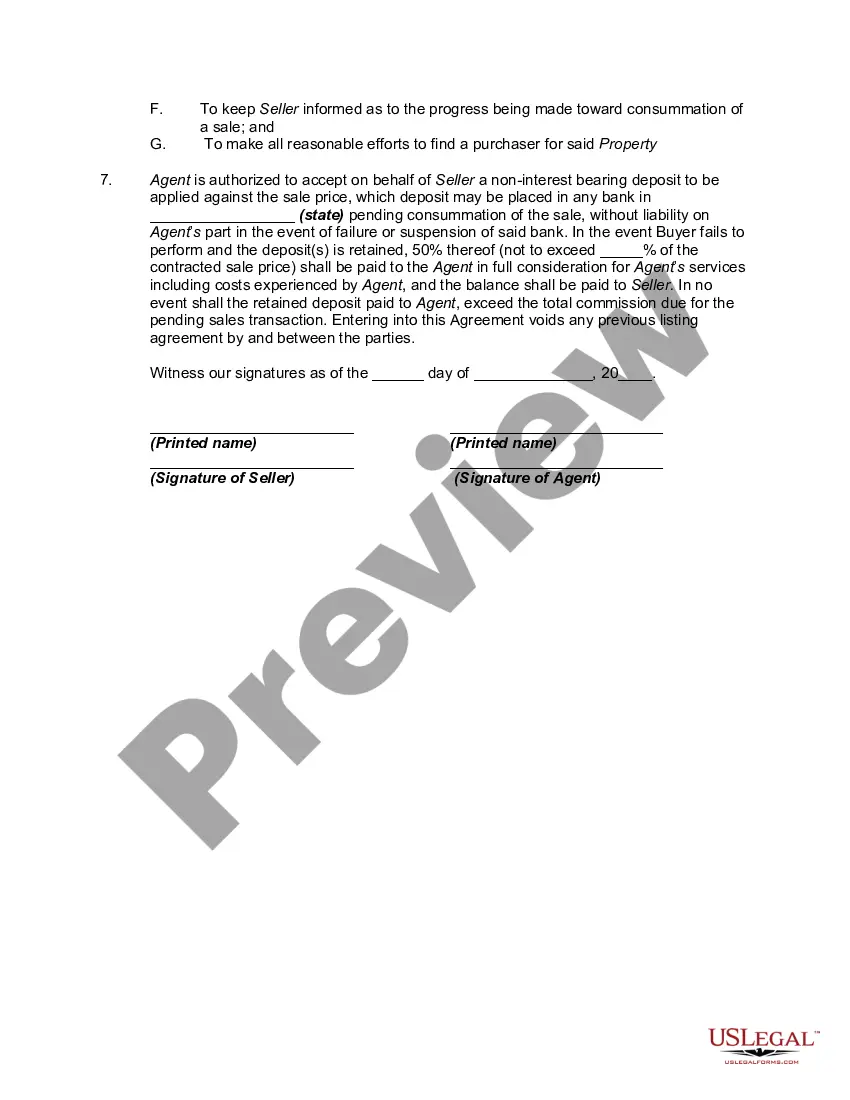

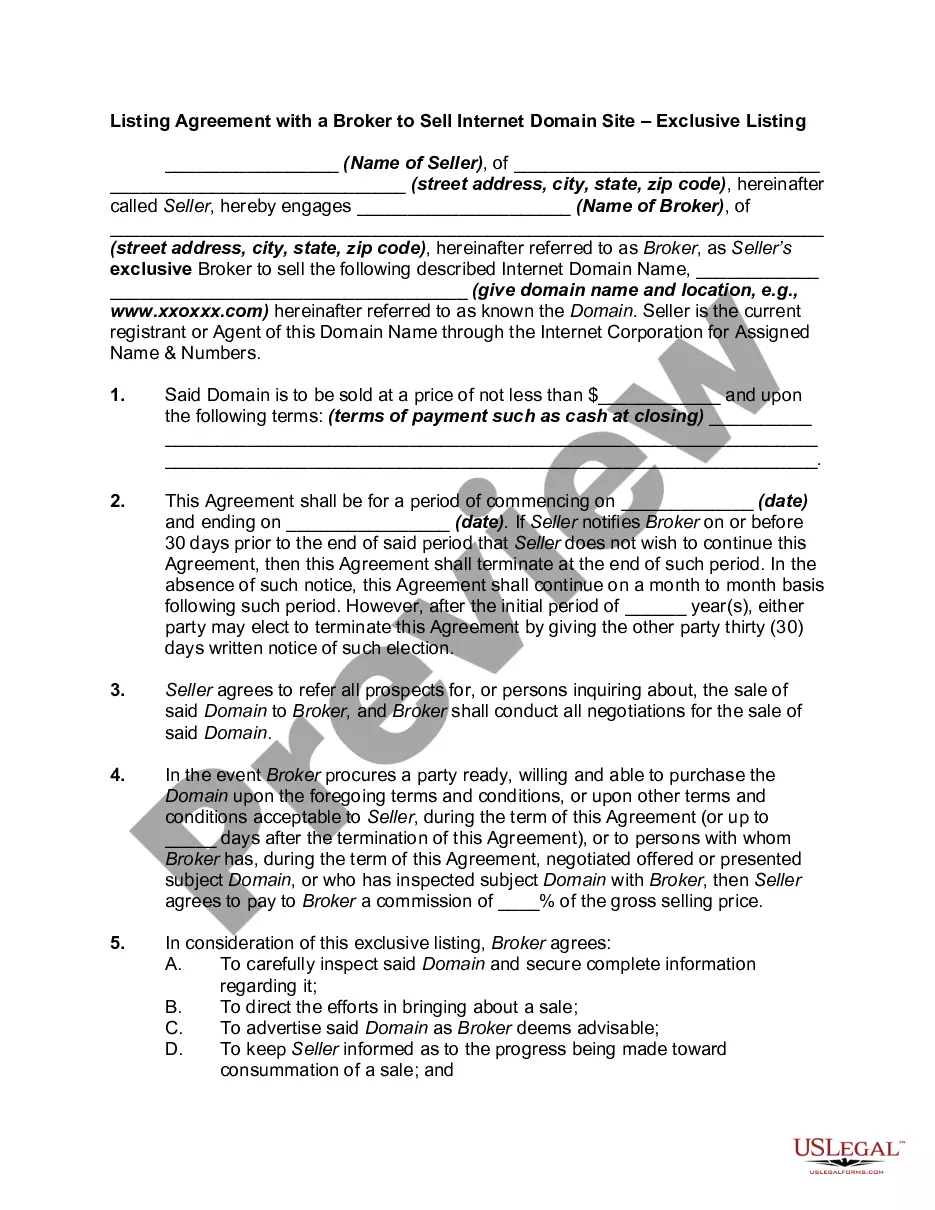
Get your form ready online
Our built-in tools help you complete, sign, share, and store your documents in one place.
Make edits, fill in missing information, and update formatting in US Legal Forms—just like you would in MS Word.
Download a copy, print it, send it by email, or mail it via USPS—whatever works best for your next step.
Sign and collect signatures with our SignNow integration. Send to multiple recipients, set reminders, and more. Go Premium to unlock E-Sign.
If this form requires notarization, complete it online through a secure video call—no need to meet a notary in person or wait for an appointment.
We protect your documents and personal data by following strict security and privacy standards.

Make edits, fill in missing information, and update formatting in US Legal Forms—just like you would in MS Word.

Download a copy, print it, send it by email, or mail it via USPS—whatever works best for your next step.

Sign and collect signatures with our SignNow integration. Send to multiple recipients, set reminders, and more. Go Premium to unlock E-Sign.

If this form requires notarization, complete it online through a secure video call—no need to meet a notary in person or wait for an appointment.

We protect your documents and personal data by following strict security and privacy standards.
Looking for another form?






Form popularity
FAQ
Yes, deeds are public record in California.
Whether you're a property investor, house flipper, or regular home buyer, buying a foreclosed home in California can be a good opportunity to get a property for less than market value — if you know how to navigate the California real estate market.
Comprehensive listings of nearby foreclosures can be found on websites like as Foreclosure, RealtyTrac, and Zillow. There may be foreclosure postings on your realtor's portal.
In a judicial foreclosure, after the judge orders the sale of a home, it's usually auctioned off to the highest bidder. The homeowner has some time after the sale to buy the home back from the successful bidder (called the right of redemption). The amount of time depends on whether the sale satisfied the debt.
Unfortunately, foreclosures are public record, so if your house is seized and sold at auction, everyone will know about it. Foreclosures are public records, and you can search them easily to find homes in foreclosure.
It takes several months for a lender to foreclose on a California property. If everything goes ing to schedule, the process typically takes approximately 120 days — about four months — but the process can take as long as 200 or more days to conclude.
The law also introduces new foreclosure sale protections to help homeowners avoid losing equity. If a listing agreement with a licensed real estate broker is submitted at least five business days before the foreclosure sale, the sale must be postponed for at least 45 days.
It takes several months for a lender to foreclose on a California property. If everything goes ing to schedule, the process typically takes approximately 120 days — about four months — but the process can take as long as 200 or more days to conclude.
The new owner of the home only needs to give you a 3-day notice to move. If you do not move, the new owner can begin the eviction process by filing a lawsuit against you in court called an Unlawful Detainer.
Most mortgages have a power of sale clause, so lenders can foreclose without going to court (non-judicial). These are the most common type of foreclosures in California.
