Realtor Broker Agent For Llc In San Antonio
Description

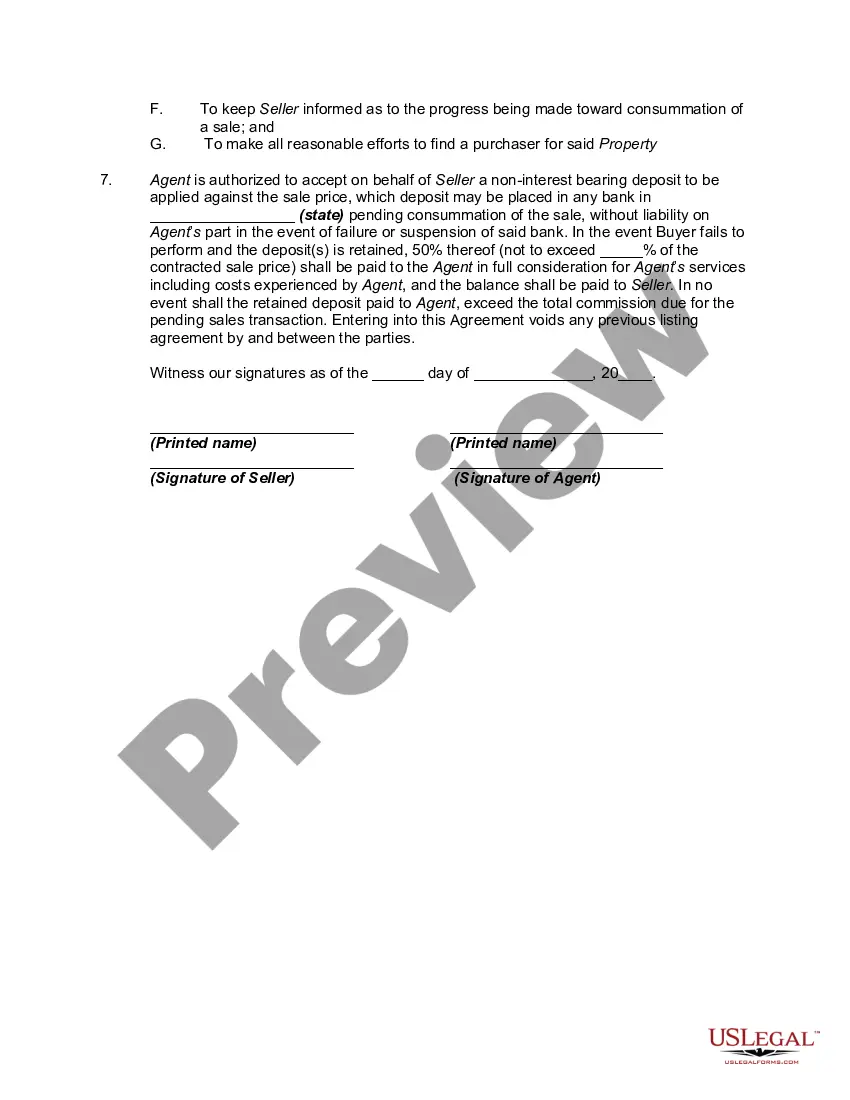

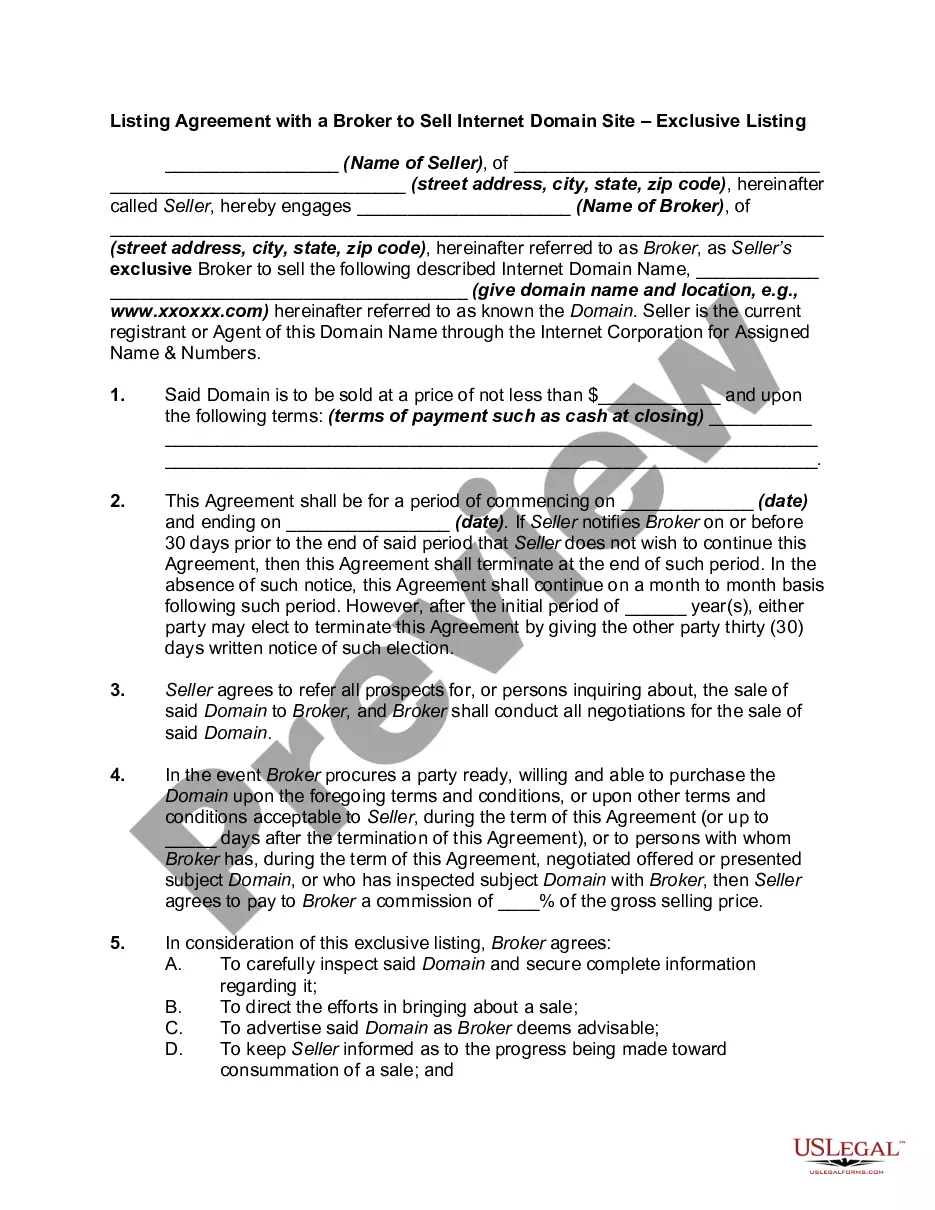
Get your form ready online
Our built-in tools help you complete, sign, share, and store your documents in one place.
Make edits, fill in missing information, and update formatting in US Legal Forms—just like you would in MS Word.
Download a copy, print it, send it by email, or mail it via USPS—whatever works best for your next step.
Sign and collect signatures with our SignNow integration. Send to multiple recipients, set reminders, and more. Go Premium to unlock E-Sign.
If this form requires notarization, complete it online through a secure video call—no need to meet a notary in person or wait for an appointment.
We protect your documents and personal data by following strict security and privacy standards.

Make edits, fill in missing information, and update formatting in US Legal Forms—just like you would in MS Word.

Download a copy, print it, send it by email, or mail it via USPS—whatever works best for your next step.

Sign and collect signatures with our SignNow integration. Send to multiple recipients, set reminders, and more. Go Premium to unlock E-Sign.

If this form requires notarization, complete it online through a secure video call—no need to meet a notary in person or wait for an appointment.

We protect your documents and personal data by following strict security and privacy standards.
Looking for another form?









Form popularity
FAQ
Licensed professionals such as lawyers, accountants, architects, engineers, and some medical professionals cannot form Limited Liability Companies (LLCs) to provide professional services in California. Instead, they must form a Professional Corporation (PC) or a Registered Limited Liability Partnership (LLP).
S Corporation: Tax Advantages for Growing Agents An S Corporation (S-Corp) is a corporation that has elected to be taxed as a pass-through entity, meaning profits and losses pass through to the owners' individual tax returns. This structure benefits real estate agents who plan to expand their business significantly.
Navigating the New Tax Landscape: How LLCs Can Benefit Texas Real Estate Agents. Great news for real estate agents in Texas. This year, a groundbreaking change hit the market with news from the Texas Real Estate Commission. Starting January 2024, agents will now be able to receive their commission into an LLC.
Yes you can form an LLC if you would like and many agents do that for their investment activities or any activity for which a real estate license is not required; but not for licensed activities like listing or selling real estate expecting a commission.
There are no provisions in the Business and Professions code that authorize a limited liability company to become licensed as a real estate broker. A license as an indvidiviual broker and a license as a broker-officer are separate entities and the status is not transferable from one to the other.
CA Registered Agent Requirements The individual or corporation used must meet the following requirements: A corporation or LLC cannot act as its own agent. The agent must agree to accept service of process from California on behalf of your company.
“The simple answer is yes, you can buy a house and hold title in an LLC,” says Chris Gleason, founder and CEO of Simplicite Tax Loans in San Antonio, Texas. “However, you must consider whether the benefits of owning a home in an LLC might outweigh the potential drawbacks.”
A Limited Liability Company (LLC) is one of the most popular business structures for real estate agents. It combines the liability protection of a corporation with the tax flexibility of a sole proprietorship or partnership.
Google brokers in your area. Make a list of 10 brokers who you think you would like to work with. Reach out to those 10 brokers (either by phone or email) and explain that you are about to get your license and are looking to work under a sponsoring broker. Schedule interviews with 4 or 5 of the brokers.
On average, it can take between 2 to 6 months to complete the required classroom hours, apply for your license, and take the final licensing exams.
