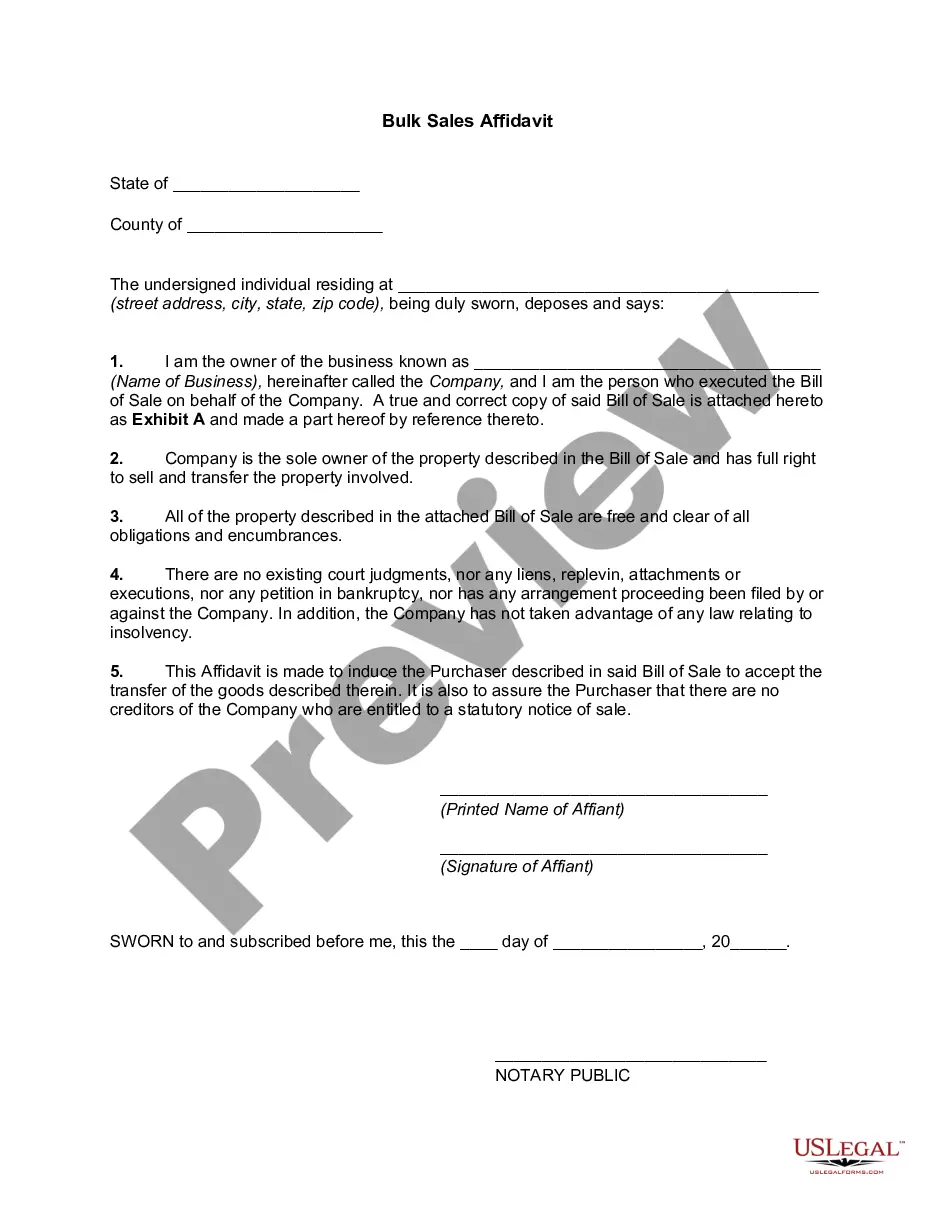
Listing Agreement Real Estate With Multiple Owners In Salt Lake
Description




Form popularity
FAQ
Legal Protections: Sellers must ensure that their reasons for cancellation align with the legal framework outlined in the sales contract and follow California's real estate law. Unjustified cancellations could lead to legal liabilities.
The simplest way to terminate a listing agreement is through mutual consent. If both you and your agent agree to part ways, you can cancel the agreement without penalties. Make sure to document this agreement in writing, as it will serve as evidence in case of any disputes later on.
The exclusive right to sell listing agreement is the most common type of agreement in real estate. Under this arrangement, the broker is given exclusive rights to market the property for a set period.
What is the average length of a listing agreement? Most contracts with a realtor have a duration of 3-6 months. However, the exact length of a listing agreement is negotiable and ultimately needs to be agreed upon by the seller.
The seller can back out for reasons written into the contract, including (but not limited to) contingencies. The buyer is in breach of the contract. If the buyer is “failing to perform” — a legal term meaning that they're not holding up their side of the contract — the seller can likely get out of the contract.
(i) A person who holds or obtains a dual broker license may function as the principal broker of a property management company that is a separate entity from the person's real estate brokerage .
AGENT OF BOTH BUYER AND SELLER (Limited Agent) A real estate agent can, with the prior written consent of the buyer and seller, represent both the buyer and seller in the same Transaction as a "Limited Agent".
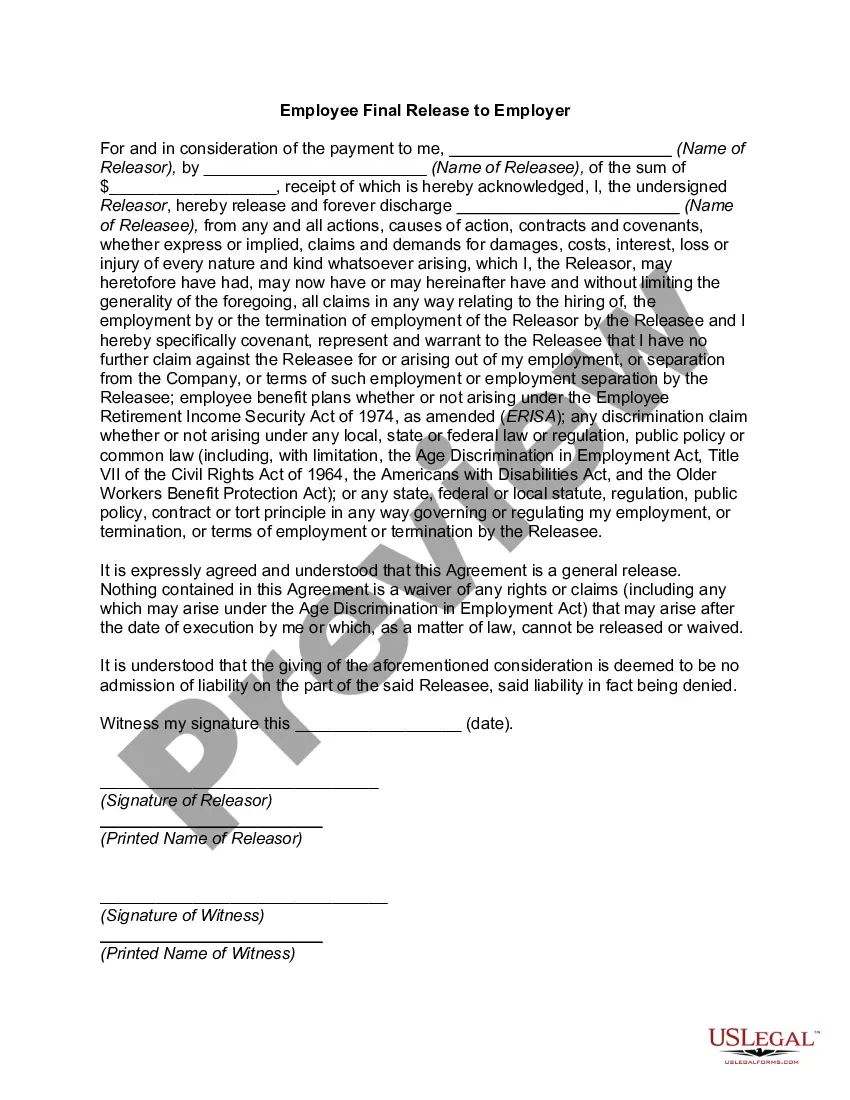
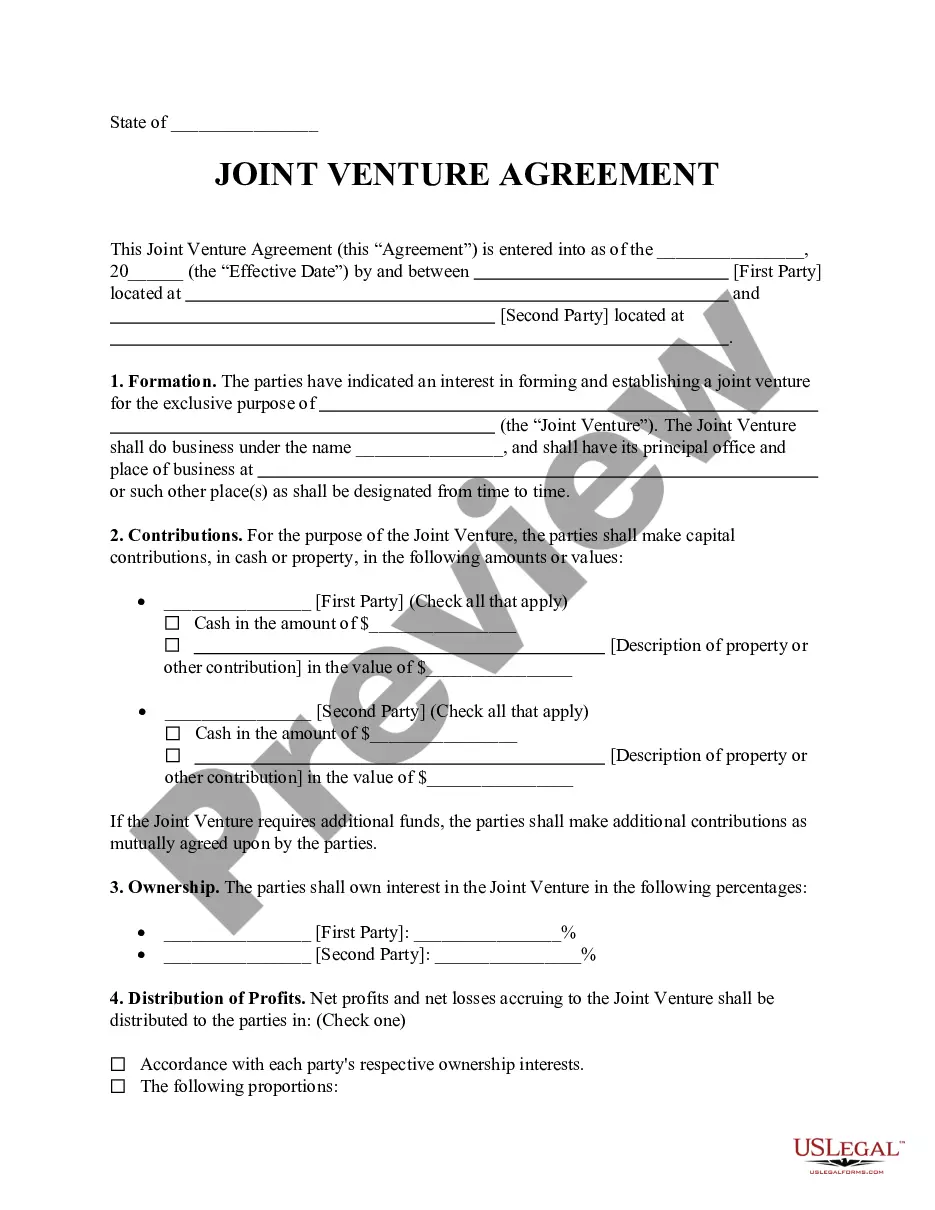
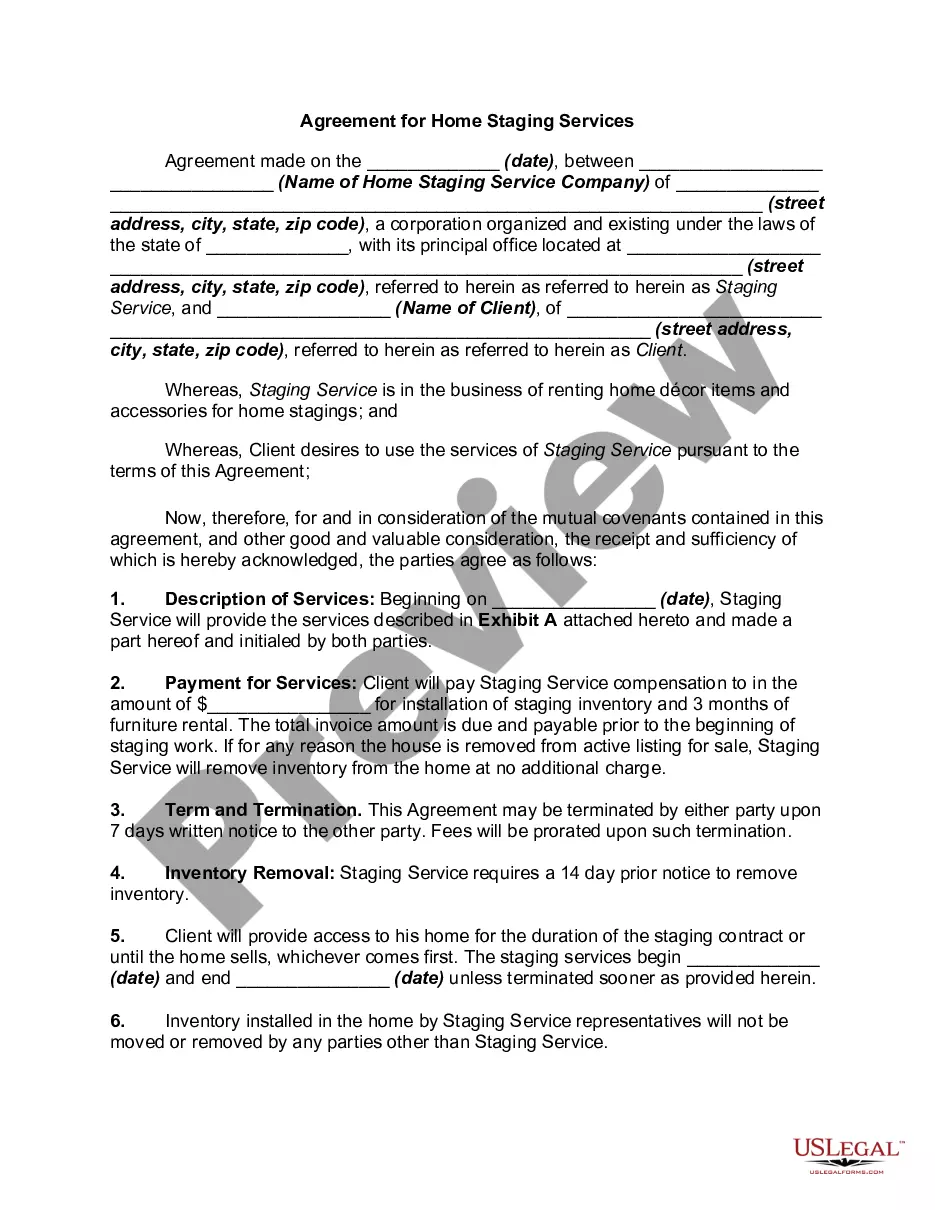
A listing agreement is “a legally binding contract that creates an agency relationship authorizing a broker to serve as the agent for a principal in a real estate transaction.” In other words, a listing agreement is an employment contract between a client and a broker that spells out what the broker is responsible for ...
When agents from the same brokerage are working with different parties to a single transaction, each agent is considered a dual agent, even if each individual agent communicates and works exclusively with a single party. A dual agent owes equal fiduciary duties to both parties to a transaction.