Listing Agreement Commercial With No Brokerage Representation In Queens
Description

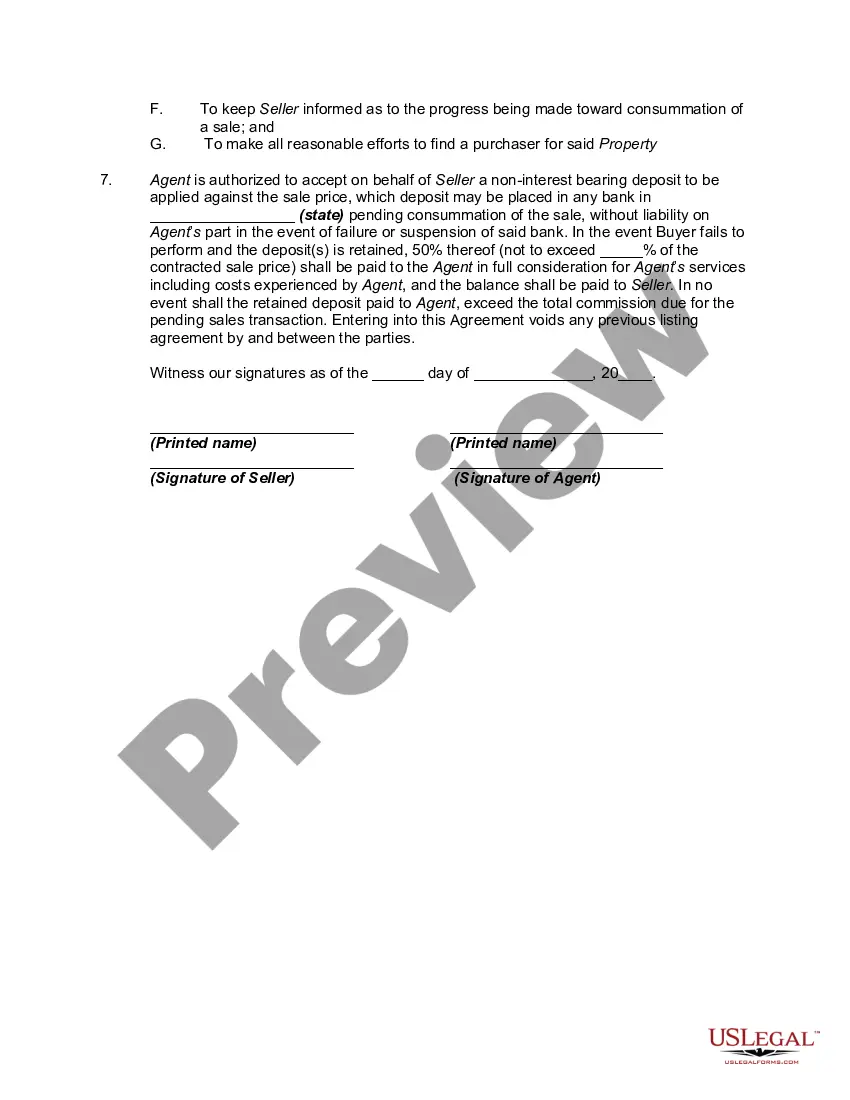

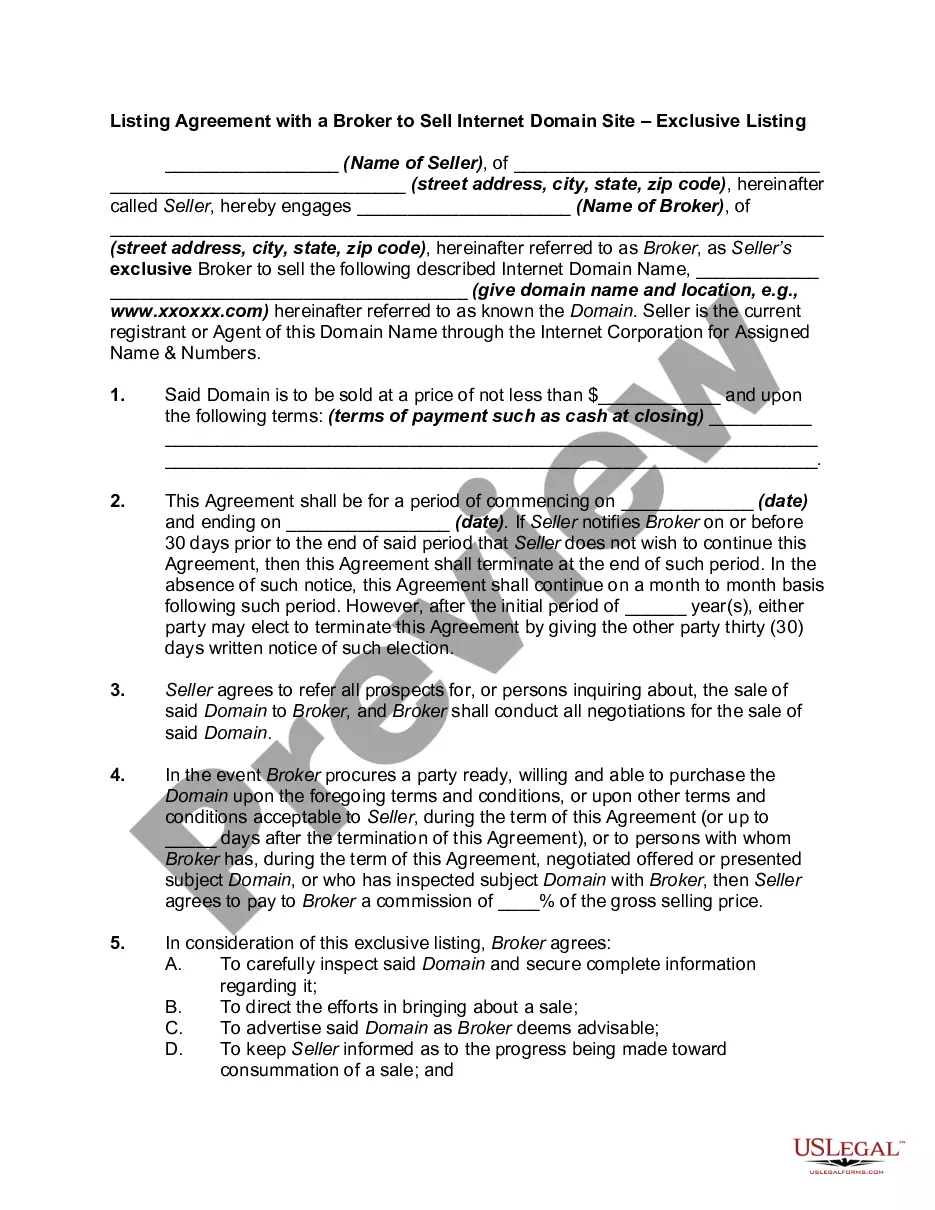
Get your form ready online
Our built-in tools help you complete, sign, share, and store your documents in one place.
Make edits, fill in missing information, and update formatting in US Legal Forms—just like you would in MS Word.
Download a copy, print it, send it by email, or mail it via USPS—whatever works best for your next step.
Sign and collect signatures with our SignNow integration. Send to multiple recipients, set reminders, and more. Go Premium to unlock E-Sign.
If this form requires notarization, complete it online through a secure video call—no need to meet a notary in person or wait for an appointment.
We protect your documents and personal data by following strict security and privacy standards.

Make edits, fill in missing information, and update formatting in US Legal Forms—just like you would in MS Word.

Download a copy, print it, send it by email, or mail it via USPS—whatever works best for your next step.

Sign and collect signatures with our SignNow integration. Send to multiple recipients, set reminders, and more. Go Premium to unlock E-Sign.

If this form requires notarization, complete it online through a secure video call—no need to meet a notary in person or wait for an appointment.

We protect your documents and personal data by following strict security and privacy standards.
Looking for another form?
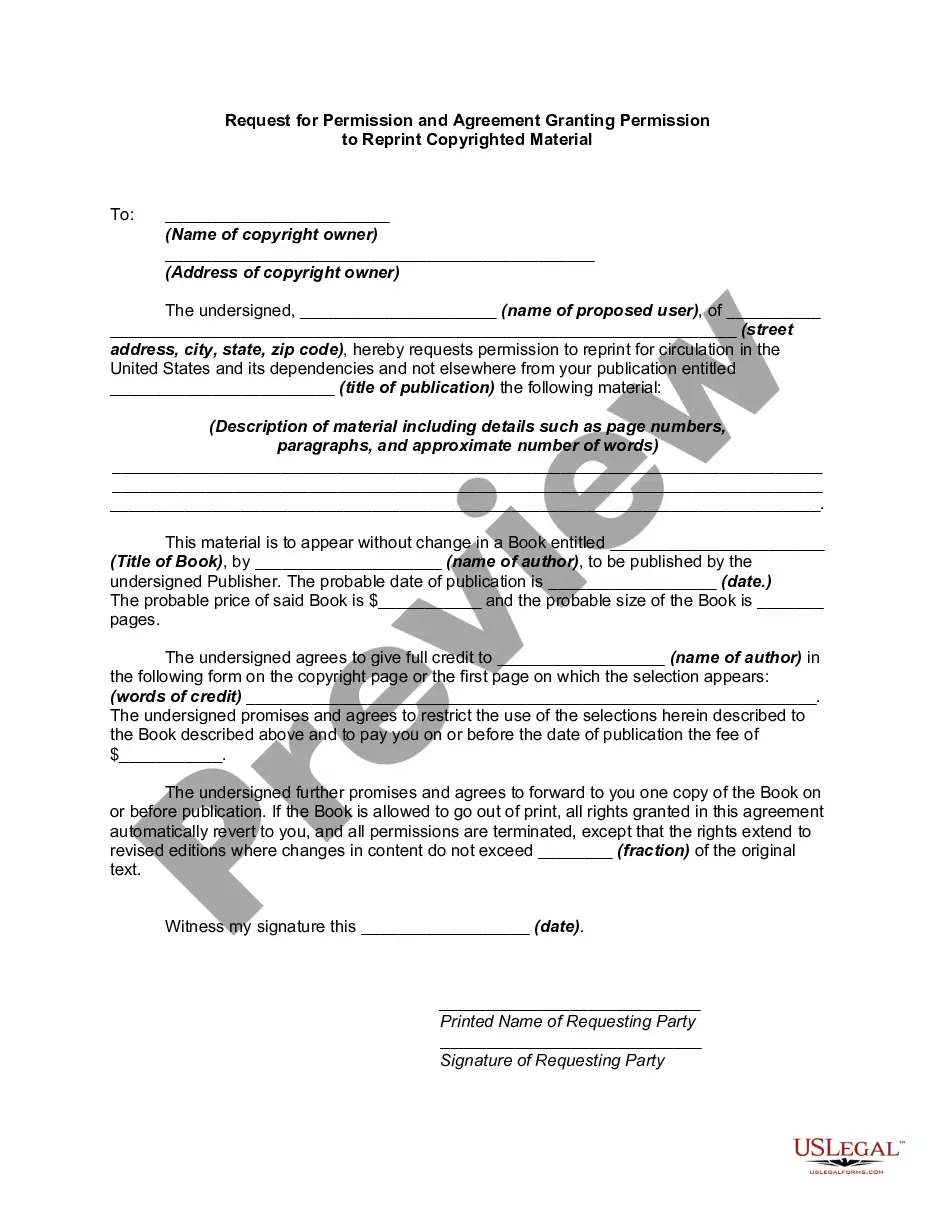


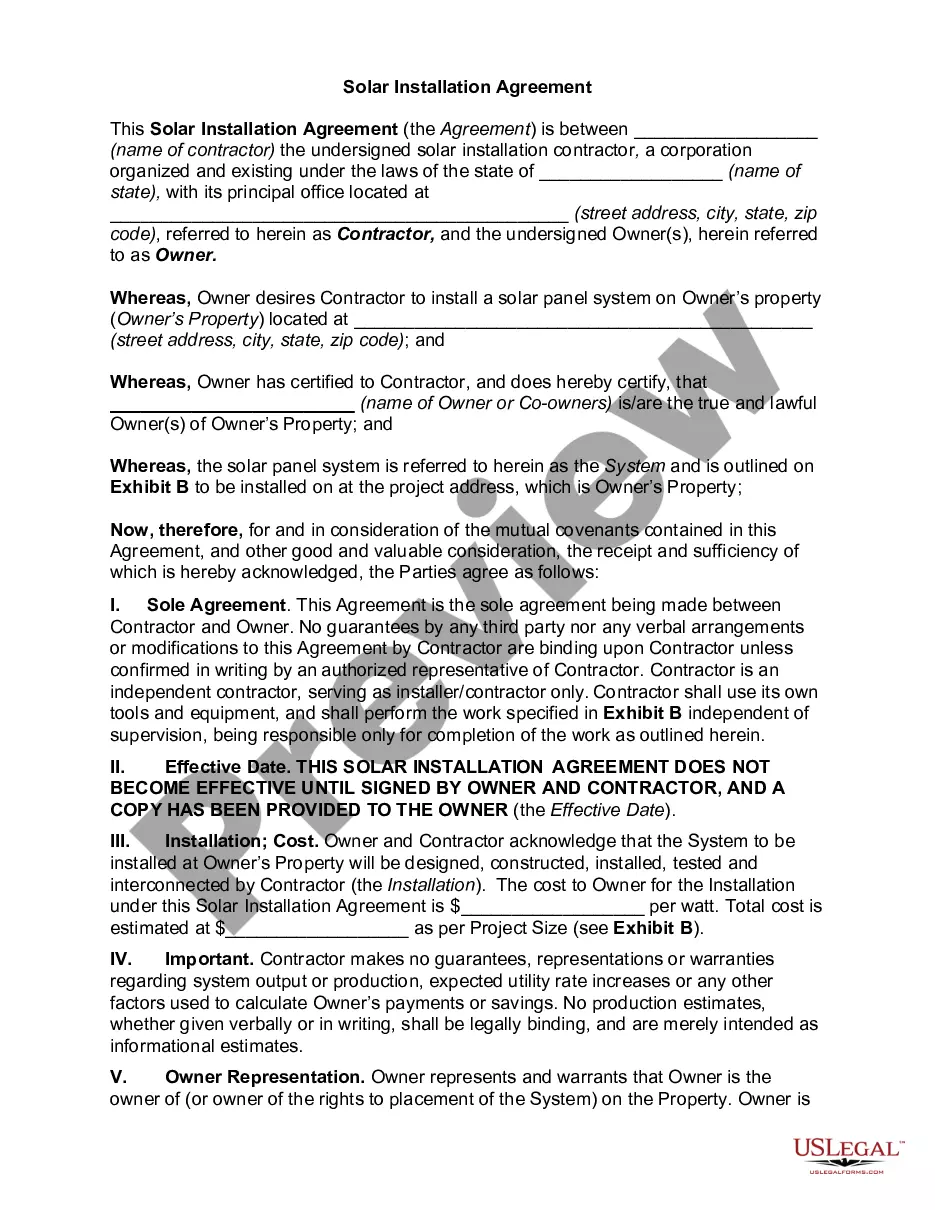

Form popularity
FAQ
Comparing Exclusive to Non-Exclusive Licenses An exclusive license gives the holder a greater degree of control, while a non-exclusive license is more permissive and allows for multiple parties to use the property. It is also worth noting that a license agreement can include various terms and conditions.
Meseck, the most common complaints involve: Septic systems. Solar leases. Failure to disclose and Seller's Property Disclosures. Water rights. Miscommunication. Agent-owned property and additional supervision. Multiple offers. Unpermitted work.
Exclusive Rights-to-Sell Listing This gives the real estate agent the exclusive rights to market your home and list it on MLS. They will receive the full commission as long the home is sold within the designated timeframe. This is the preferred agreement for most real estate agents.
Exclusive listing agreements give a single real estate agent/brokerage the sole right to sell your property. This arrangement can be a great representation structure for limiting complexity and increasing seller control but can also have consequences like limiting exposure.
Buyer-Broker Agreement: A legally binding contract that ensures your real estate agent is fully committed to representing your best interests. Transparency & Protection: The agreement outlines responsibilities, clarifies expectations, compensation, and ensures your agent works in your best interest.
A commercial real estate broker is the expert intermediary between landlords and tenants. While they're always working to get the best outcomes for their clients, the roles and priorities of brokers change depending on which side of the transaction they're on.
Due to years of experience, commercial real estate experts have more access and a vast network of connections — access to listings, resources, tools, and data that someone on their own would not be able to access; connections that have been fostered over years of working in the industry.
What is a commercial brokerage? Commercial brokerage is a business activity in which a business entity (or broker) acts as a middleman between people (principals) who are buying and selling goods or providing services.
A real estate broker is a professional with a state real estate broker license who helps buy, sell and transfer property. They use their expertise and knowledge of the real estate industry to assist clients with paperwork, decision-making and legal compliance.
Exclusive Right to Sell Listing In fact, the broker receives a commission no matter who sells the property while this type of listing agreement is in place. Most brokers/agents want this kind of listing agreement since it assures that they'll receive a commission when the house sells.
