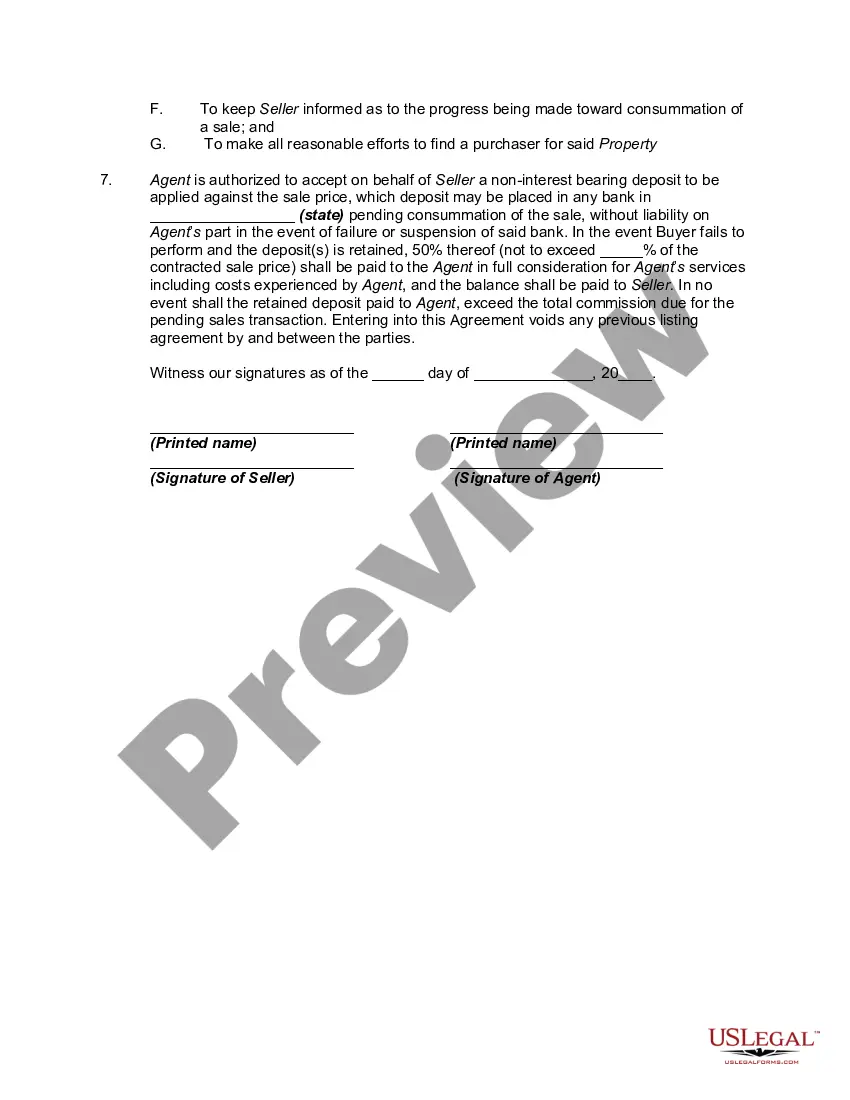
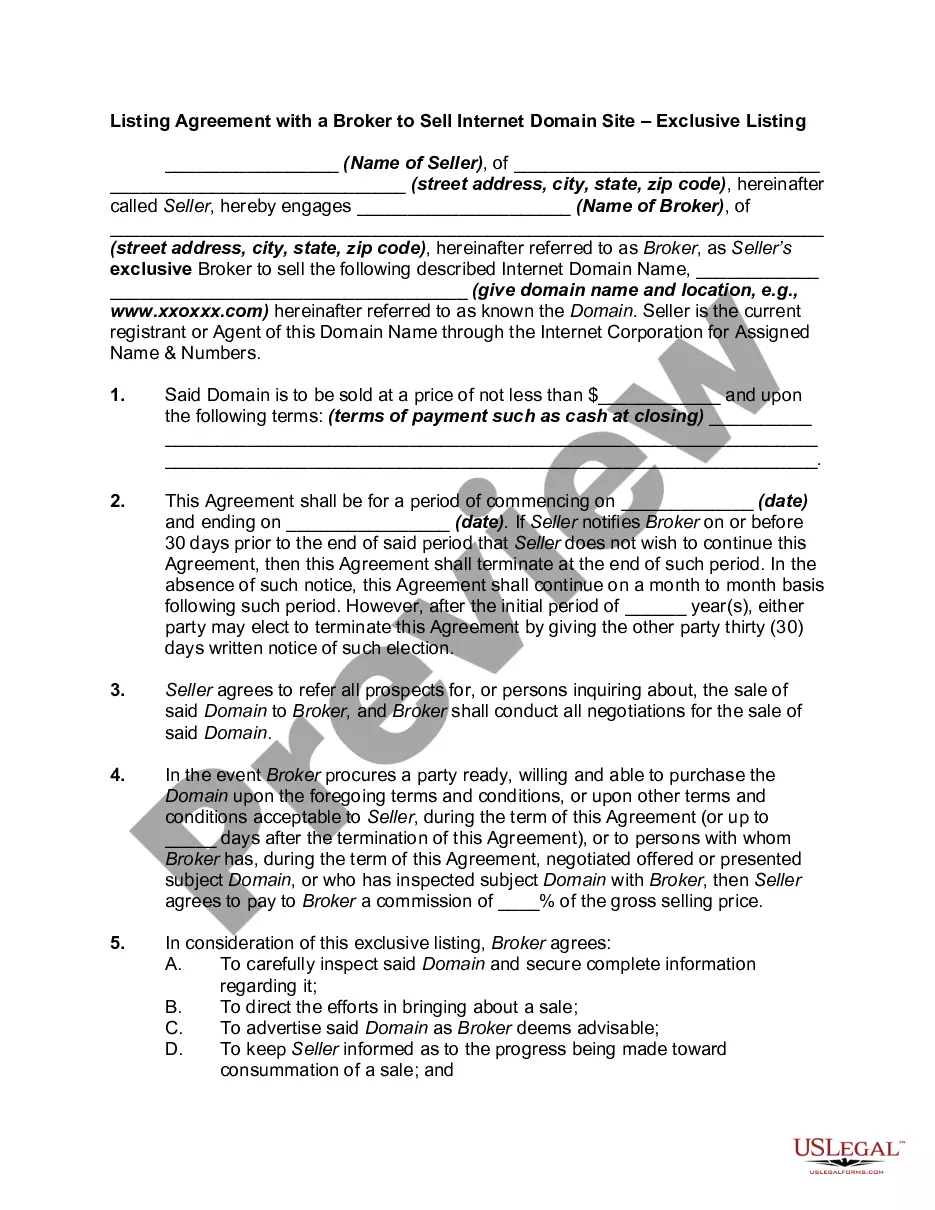
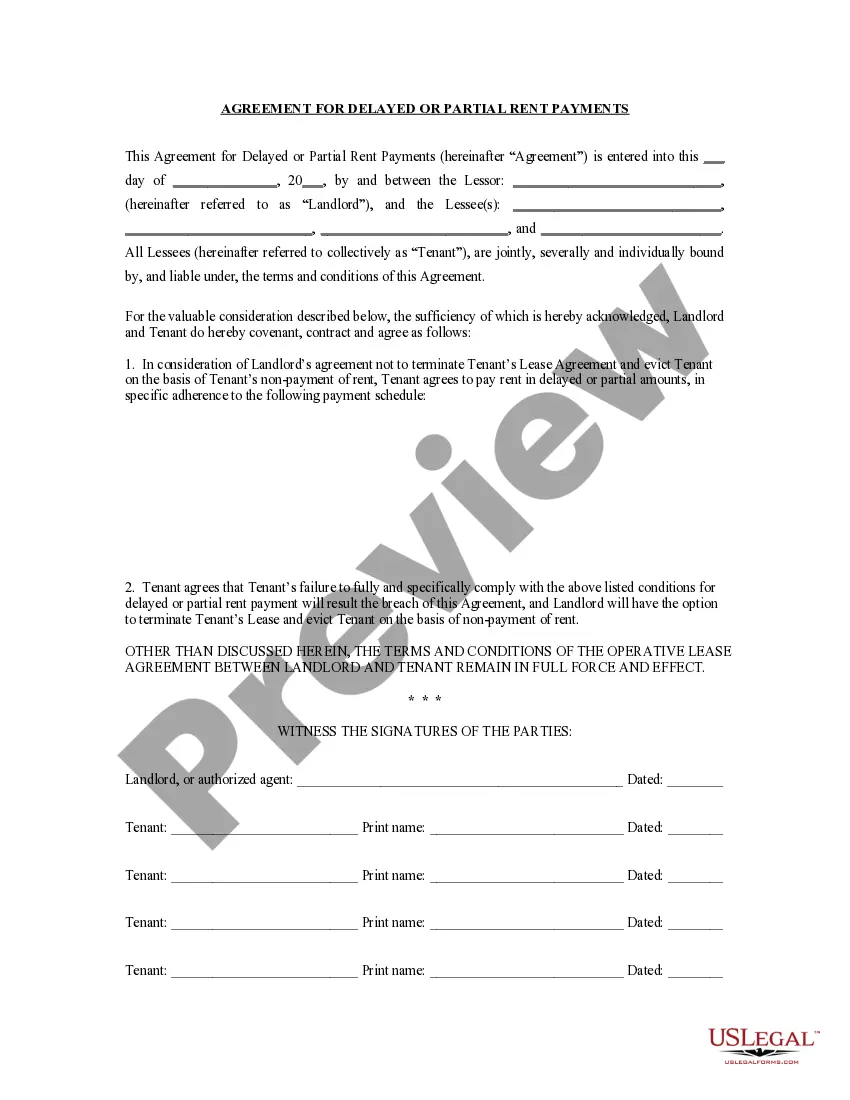
Agent For Commercial Lease In Orange
Description


Get your form ready online
Our built-in tools help you complete, sign, share, and store your documents in one place.
Make edits, fill in missing information, and update formatting in US Legal Forms—just like you would in MS Word.
Download a copy, print it, send it by email, or mail it via USPS—whatever works best for your next step.
Sign and collect signatures with our SignNow integration. Send to multiple recipients, set reminders, and more. Go Premium to unlock E-Sign.
If this form requires notarization, complete it online through a secure video call—no need to meet a notary in person or wait for an appointment.
We protect your documents and personal data by following strict security and privacy standards.

Make edits, fill in missing information, and update formatting in US Legal Forms—just like you would in MS Word.

Download a copy, print it, send it by email, or mail it via USPS—whatever works best for your next step.

Sign and collect signatures with our SignNow integration. Send to multiple recipients, set reminders, and more. Go Premium to unlock E-Sign.

If this form requires notarization, complete it online through a secure video call—no need to meet a notary in person or wait for an appointment.

We protect your documents and personal data by following strict security and privacy standards.
Looking for another form?







Form popularity
FAQ
Here are our top 8 sections to include in your commercial property proposal: Lease Term or Lease Type. Rent Obligations. Security Deposit. Permitted Use or Exclusive Use Clauses. Maintenance and Utilities. Personal Guarantee. Amendments, Modifications, or Termination Clauses. Subleases:
Types of leasehold estates The first type is most common: Estate for years: An agreement that permits occupancy between two specified dates, at the end of which the property must be vacated. Estate from period to period: A monthly tenancy that has no specified end date.
1. Gross Lease. Gross leases are most common for commercial properties such as offices and retail space. The tenant pays a single, flat amount that includes rent, taxes, utilities, and insurance.
NNN Lease: NNN leases often attract well-established, national tenants with strong credit profiles. These tenants are typically financially stable and less likely to default on lease obligations. NN Lease: NN leases may attract tenants with a varying degree of financial strength.
Gross leases are most common for commercial properties such as offices and retail space. The tenant pays a single, flat amount that includes rent, taxes, utilities, and insurance.
Review the Lease Agreement. The assignor (current tenant) should review the existing lease agreement to understand the terms and conditions associated with the lease assignment. Obtain Landlord's Consent. Negotiate Terms. Deed of Assignment. Land Registry Notification. Completion and Handover.
An Experian business score of 76 or higher is generally considered to be good.
While there's no universally required credit score needed to rent an apartment, having a solid credit score can certainly help your chances of a landlord handing you a set of keys. In general, a landlord will look for a credit score that is at least “good,” which is generally in the range of 670 to 739.
