Broker Property Real Foreclosure In Nevada
Description

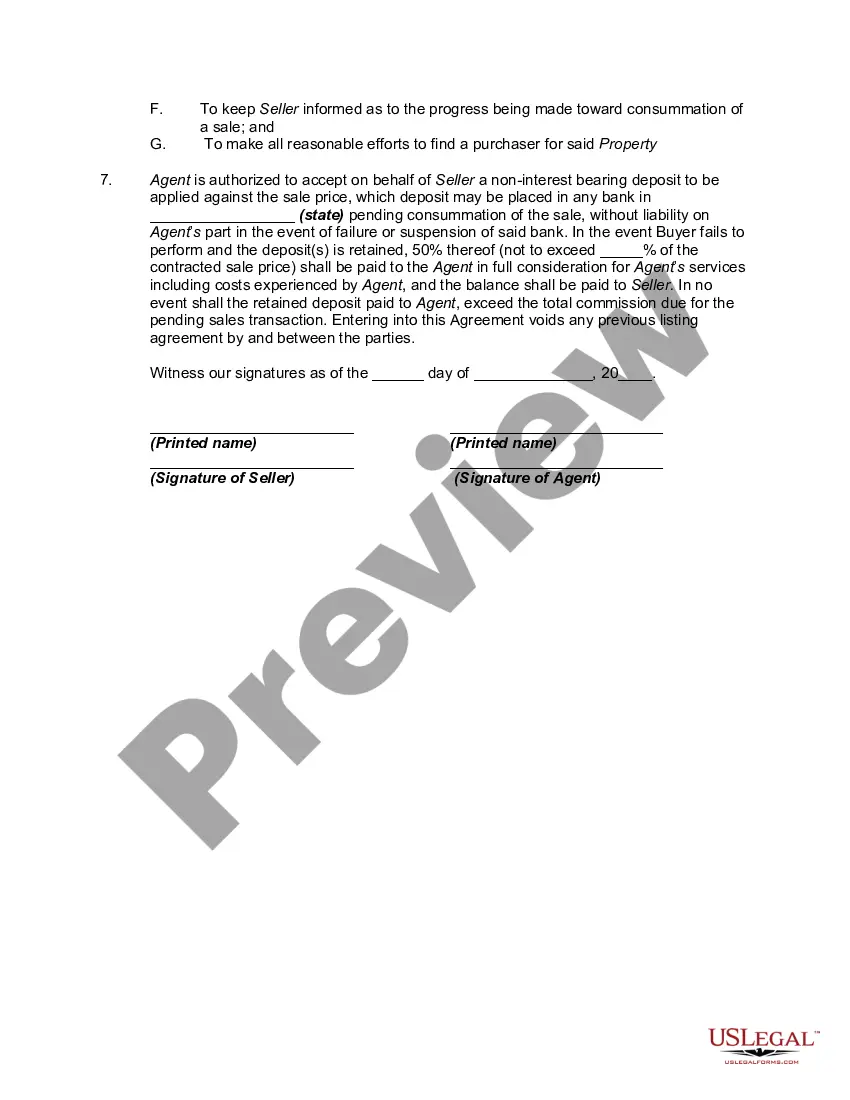

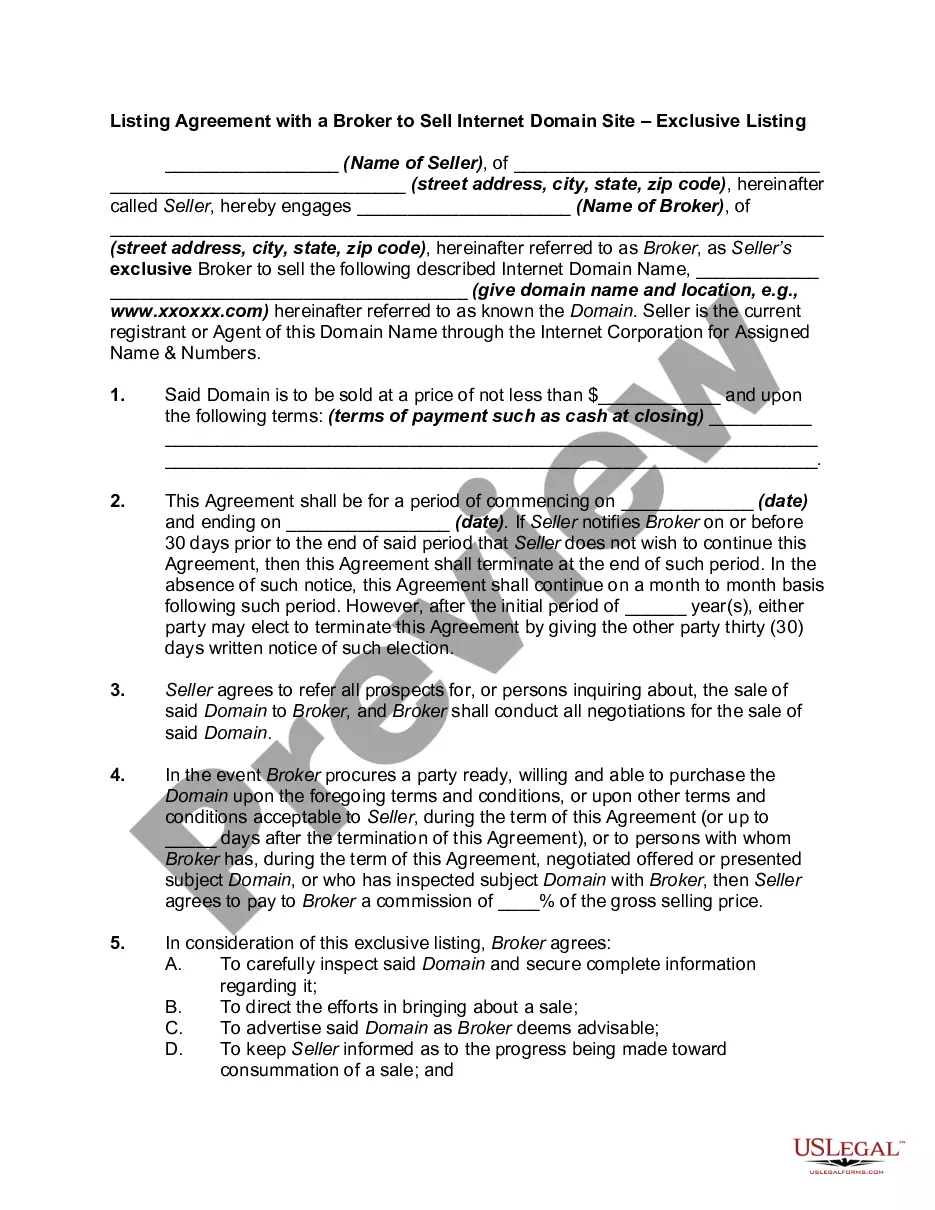
Get your form ready online
Our built-in tools help you complete, sign, share, and store your documents in one place.
Make edits, fill in missing information, and update formatting in US Legal Forms—just like you would in MS Word.
Download a copy, print it, send it by email, or mail it via USPS—whatever works best for your next step.
Sign and collect signatures with our SignNow integration. Send to multiple recipients, set reminders, and more. Go Premium to unlock E-Sign.
If this form requires notarization, complete it online through a secure video call—no need to meet a notary in person or wait for an appointment.
We protect your documents and personal data by following strict security and privacy standards.

Make edits, fill in missing information, and update formatting in US Legal Forms—just like you would in MS Word.

Download a copy, print it, send it by email, or mail it via USPS—whatever works best for your next step.

Sign and collect signatures with our SignNow integration. Send to multiple recipients, set reminders, and more. Go Premium to unlock E-Sign.

If this form requires notarization, complete it online through a secure video call—no need to meet a notary in person or wait for an appointment.

We protect your documents and personal data by following strict security and privacy standards.
Looking for another form?










Form popularity
FAQ
Does Nevada Law Allow for a Redemption Period After a Foreclosure? Nevada law allows for both judicial and non judicial foreclosures. If a lender pursues a foreclosure through the judicial system then the owner has a 1 year right of redemption following the foreclosure sale.
Under federal law, the servicer usually can't start a foreclosure until the borrower is over 120 days delinquent on payments, subject to a few exceptions. (12 C.F.R. § 1024.41 (2024).)
One way to temporarily halt the foreclosure proceedings is to request mediation through Nevada's Foreclosure Mediation program. You can also file a Chapter 13 bankruptcy if you have the ability to enter into a payment plan to cure default. The Bankruptcy Court also has a mediation program for homeowners.
In Nevada, mortgage foreclosures can take place “judicially”—by going to court—or “non-judicially,” by having a third party (the “trustee”) sell the property for the lender. Most mortgage foreclosures in Nevada are non-judicial foreclosures.
In general, mortgage companies start foreclosure processes about 3-6 months after the first missed mortgage payment. Late fees are charged after 10-15 days, however, most mortgage companies recognize that homeowners may be facing short-term financial hardships.
While Nevada's overall foreclosure rate of 0.3% shines below the national average of 0.6%, the story is enriched when one delves into the rates across its counties. Clark County, home to the vibrant Las Vegas, showcases a foreclosure rate of 0.7%, surpassing the state average.
This process is called mortgage foreclosure. Trust deed foreclosures comprise the majority of foreclosures in Nevada. A trust deed foreclosure is non-judicial, meaning your bank, lender, or mortgage servicer does not need to go to court to foreclose and sell your home.
Most mortgages have a power of sale clause, so lenders can foreclose without going to court (non-judicial). These are the most common type of foreclosures in California.
If a lender pursues a foreclosure through the judicial system then the owner has a 1 year right of redemption following the foreclosure sale. However, if the foreclosure is a non judicial foreclosure then there is no right of redemption for the borrower.
