Broker Commercial Property Real Formula In Minnesota
Description

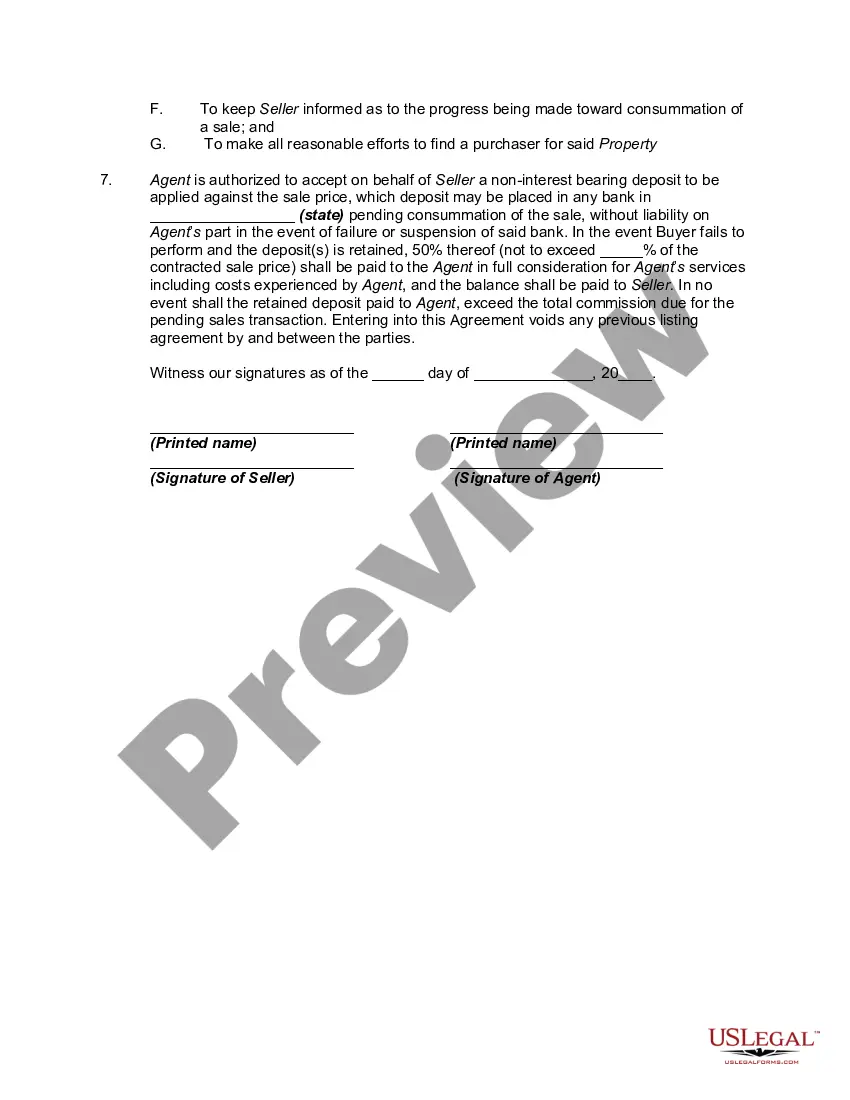

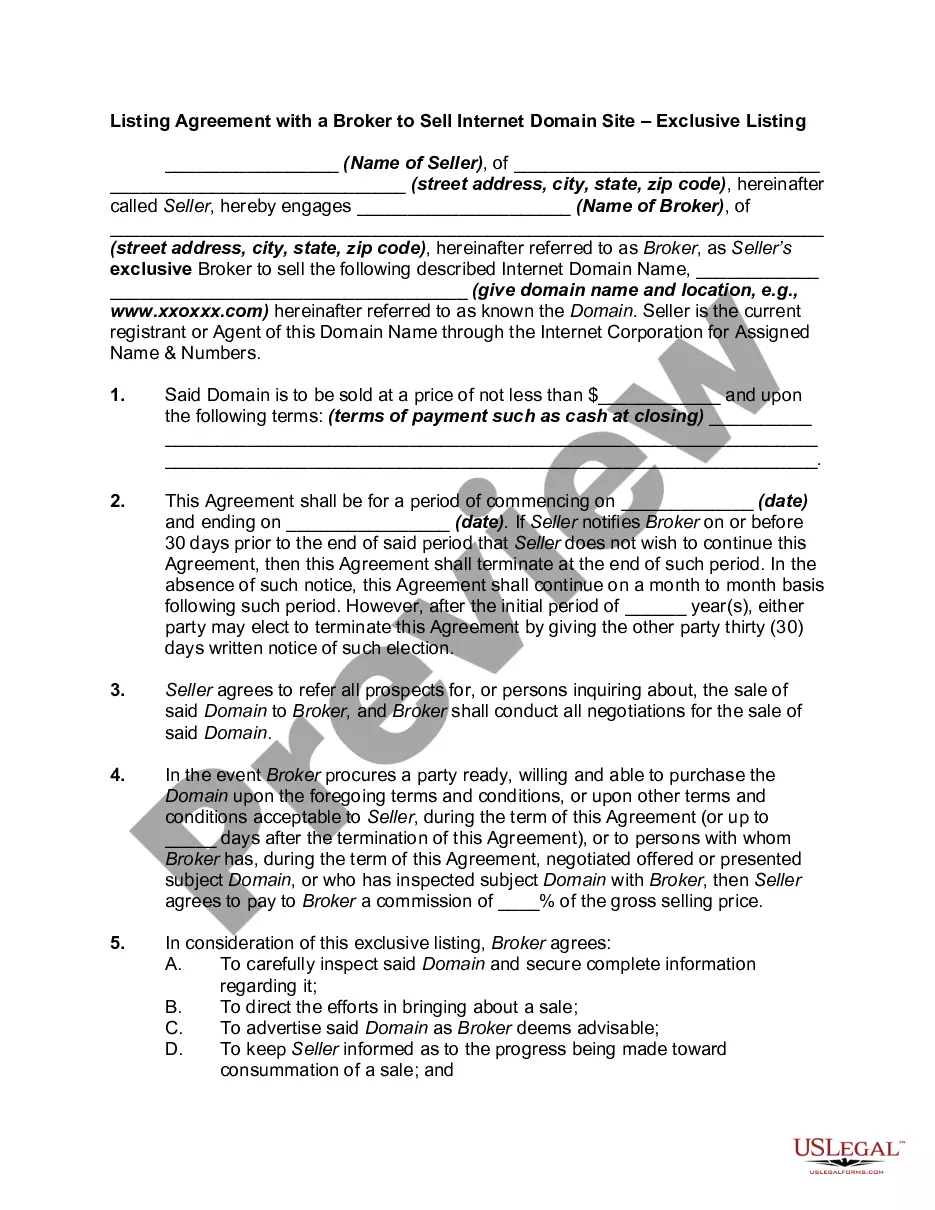
Get your form ready online
Our built-in tools help you complete, sign, share, and store your documents in one place.
Make edits, fill in missing information, and update formatting in US Legal Forms—just like you would in MS Word.
Download a copy, print it, send it by email, or mail it via USPS—whatever works best for your next step.
Sign and collect signatures with our SignNow integration. Send to multiple recipients, set reminders, and more. Go Premium to unlock E-Sign.
If this form requires notarization, complete it online through a secure video call—no need to meet a notary in person or wait for an appointment.
We protect your documents and personal data by following strict security and privacy standards.

Make edits, fill in missing information, and update formatting in US Legal Forms—just like you would in MS Word.

Download a copy, print it, send it by email, or mail it via USPS—whatever works best for your next step.

Sign and collect signatures with our SignNow integration. Send to multiple recipients, set reminders, and more. Go Premium to unlock E-Sign.

If this form requires notarization, complete it online through a secure video call—no need to meet a notary in person or wait for an appointment.

We protect your documents and personal data by following strict security and privacy standards.
Looking for another form?








Form popularity
FAQ
Capitalization Rate (Cap Rate) = Net Operating Income / Property Value. Value = Net Operating Income / Capitalization Rate.
What is a CRE evaluation? CRE appraisers examine the commercial space itself rather than the entire business. They will verify all information, including third-party sources, people on-site, and even former property owners, to ensure its accuracy.
CRE, or commercial real estate, refers to properties designed for business purposes that generate income for their owners.
Commercial real estate (CRE) covers a diverse range of asset types and is defined as property used specifically for business purposes. The primary role of a commercial property is to generate revenue through capital gain or rental income.
Commercial real estate (CRE) is property used for business-related purposes or to provide workspace rather than living space. Most often, commercial real estate is leased by tenants to conduct income-generating activities.
Many of the issues confronting industry stakeholders in the new year are interrelated. High Financing Costs. Massive Commercial Real Estate Debt. High Cap Rates. Soaring Insurance Costs. Increasingly Unaffordable Housing. Rise in Artificial Intelligence. Impact of Extreme Weather. Lingering Office Vacancies.
Minnesota requires prospective real estate salespeople to complete 90 hours of pre-licensing education for an approved provider. The coursework is divided into three 30-hour courses: Course I: Must be completed before scheduling the licensing exam.
You must be at least 18 years old, and you must successfully complete three 30-hour education courses (known as Course I, Course II, and Course III), pass the salesperson's examination, become associated with a licensed real estate broker (who must submit the application for your license), and receive notice that the ...
The Minnesota Real Estate Commission offers full reciprocity for active real estate licenseholders and residents of Colorado, Iowa, Nebraska, North Dakota, South Dakota, and Oklahoma. It offers partial reciprocity for Wisconsin license holders, who will need to take a 13-hour special course.
