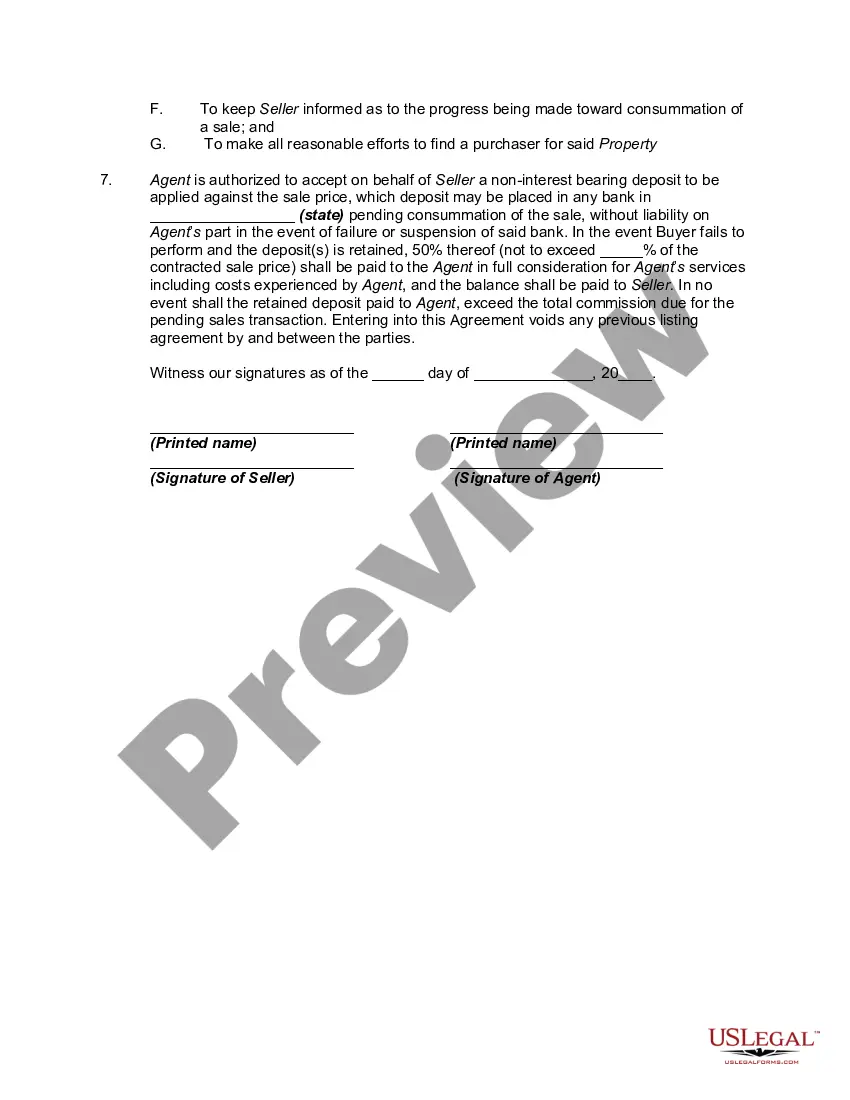
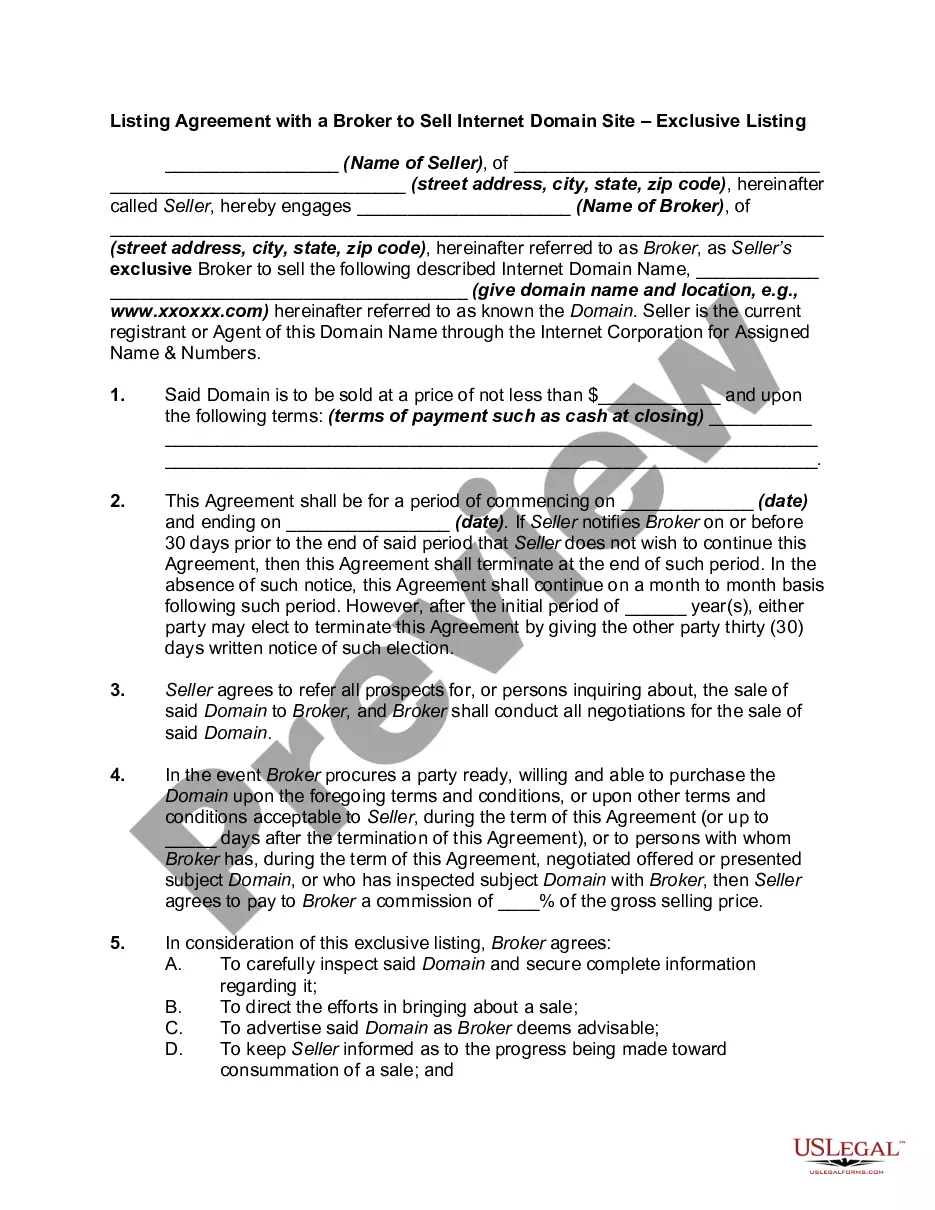
Listing Realtor Property For Themselves In Michigan
Description


Get your form ready online
Our built-in tools help you complete, sign, share, and store your documents in one place.
Make edits, fill in missing information, and update formatting in US Legal Forms—just like you would in MS Word.
Download a copy, print it, send it by email, or mail it via USPS—whatever works best for your next step.
Sign and collect signatures with our SignNow integration. Send to multiple recipients, set reminders, and more. Go Premium to unlock E-Sign.
If this form requires notarization, complete it online through a secure video call—no need to meet a notary in person or wait for an appointment.
We protect your documents and personal data by following strict security and privacy standards.

Make edits, fill in missing information, and update formatting in US Legal Forms—just like you would in MS Word.

Download a copy, print it, send it by email, or mail it via USPS—whatever works best for your next step.

Sign and collect signatures with our SignNow integration. Send to multiple recipients, set reminders, and more. Go Premium to unlock E-Sign.

If this form requires notarization, complete it online through a secure video call—no need to meet a notary in person or wait for an appointment.

We protect your documents and personal data by following strict security and privacy standards.
Looking for another form?




Form popularity
FAQ
Follow these steps to assist you in writing an introduction letter as a realtor: Open with a greeting. Explain your background. Include relevant experiences. Show how you can help their real estate needs. Provide contact methods. Include closing.
The criminal background check aims to identify any past convictions or criminal charges an applicant may have. Any history of fraudulent activities or crimes related to moral turpitude may disqualify an individual from obtaining a real estate license.
Yes you can and you will collect commission as the buyers agent. You can also represent yourself in selling your own property and save the listing agent commission.
Meseck, the most common complaints involve: Septic systems. Solar leases. Failure to disclose and Seller's Property Disclosures. Water rights. Miscommunication. Agent-owned property and additional supervision. Multiple offers. Unpermitted work.
Work on your sphere of influence through social media. Post often. Show that your working. Preview homes (even if you don't have a client). Don't just have a business account. Let people see your life and personality while showing that you mean business. Share info about the market. Basically whatever it takes.
A real estate licensee can be the agent of both the seller and the buyer in a transaction, but only with the knowledge and informed consent, in writing, of both the seller and the buyer. In such a dual agency situation, the licensee will not be able to disclose all known information to either the seller or the buyer.
The short and sweet answer is yes, a REALTOR® can sell their own home. The National Association of REALTORS® (NAR), the largest real estate organization in America, developed a code of ethics to help guide real estate professionals in the field.
The simple answer is yes – as a licensed agent, you can represent yourself in buying or selling real estate for yourself, so long as you disclose that you representing yourself upfront in the deal.
Failing to Communicate with Clients The biggest mistake a real estate agent can make, regardless of tenure in the industry, is not properly communicating with their clients.
In Australia, real estate agents are indeed allowed to sell their own homes, but this comes with several crucial considerations and responsibilities. First and foremost, the real estate agent must openly disclose their ownership of the property.
