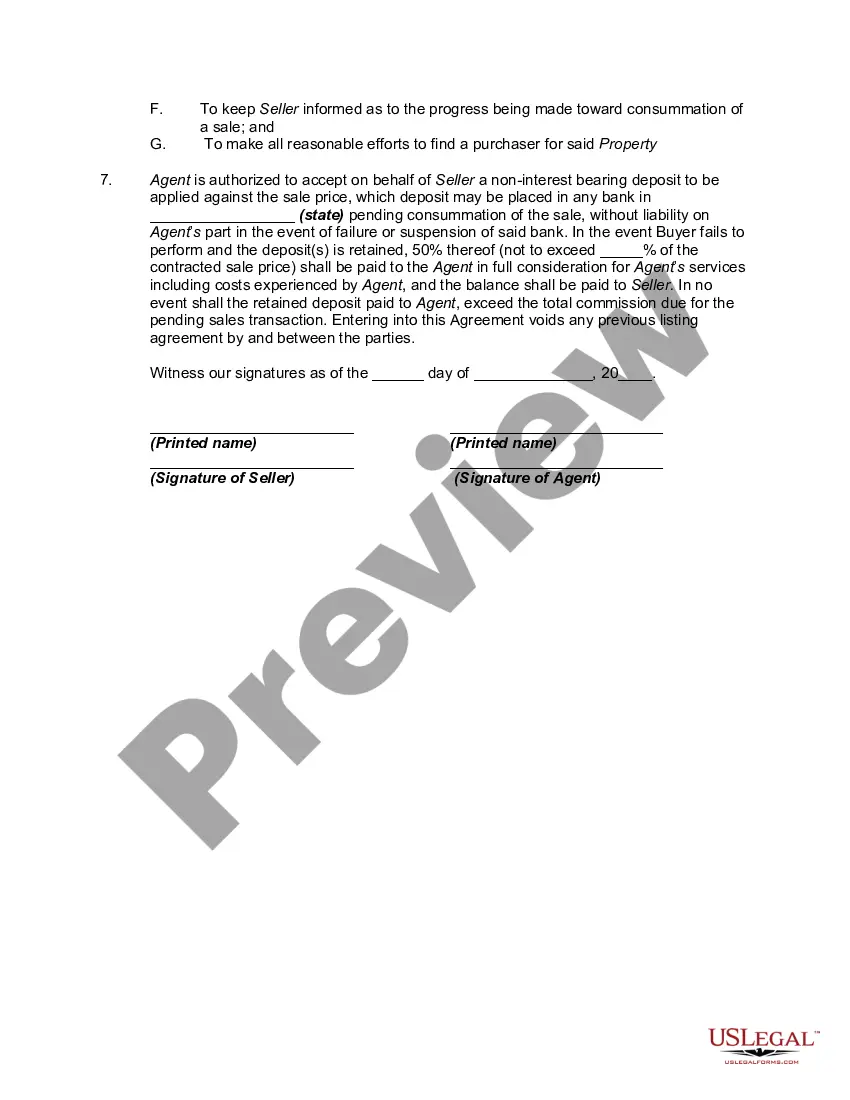
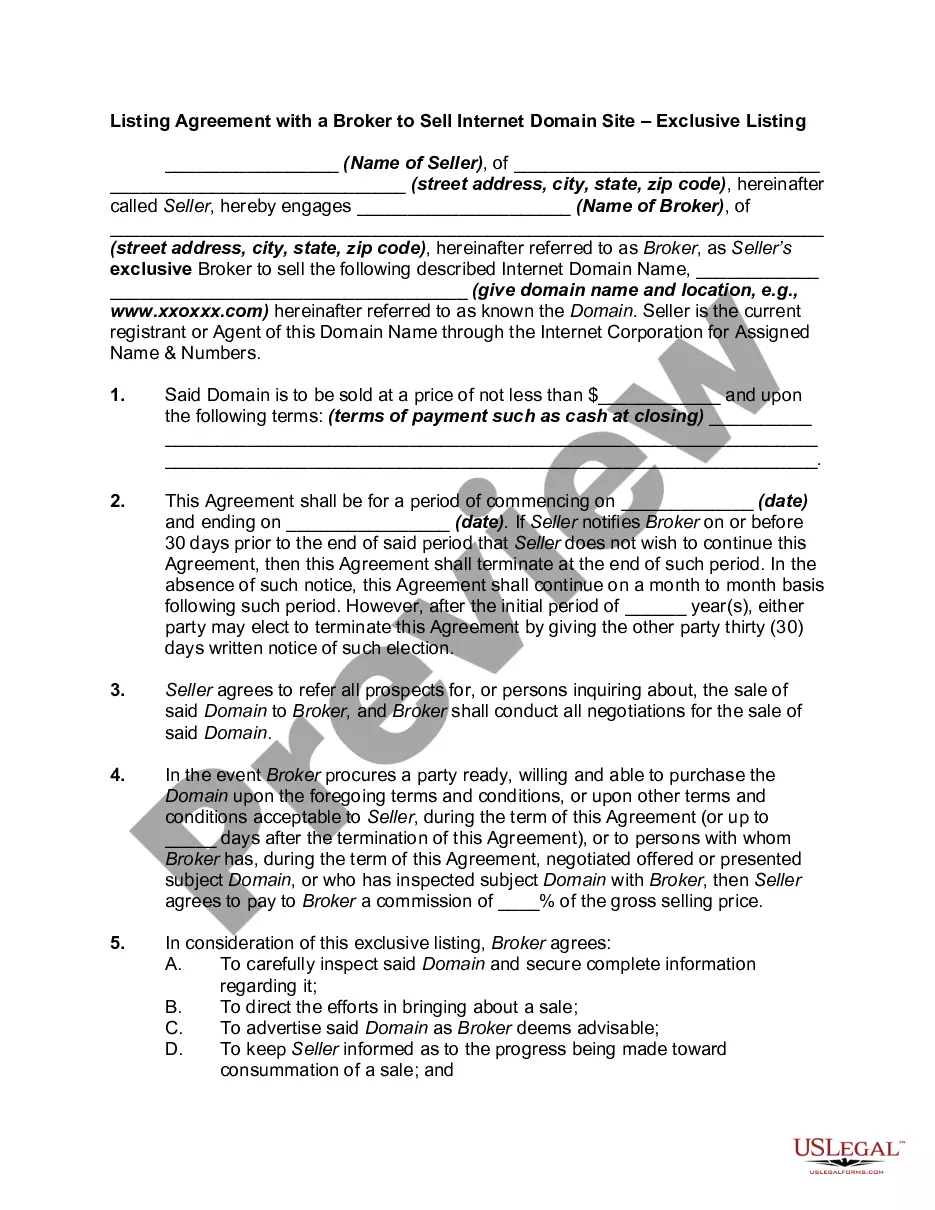
Agreement Broker Real Estate Without License In King
Description


Get your form ready online
Our built-in tools help you complete, sign, share, and store your documents in one place.
Make edits, fill in missing information, and update formatting in US Legal Forms—just like you would in MS Word.
Download a copy, print it, send it by email, or mail it via USPS—whatever works best for your next step.
Sign and collect signatures with our SignNow integration. Send to multiple recipients, set reminders, and more. Go Premium to unlock E-Sign.
If this form requires notarization, complete it online through a secure video call—no need to meet a notary in person or wait for an appointment.
We protect your documents and personal data by following strict security and privacy standards.

Make edits, fill in missing information, and update formatting in US Legal Forms—just like you would in MS Word.

Download a copy, print it, send it by email, or mail it via USPS—whatever works best for your next step.

Sign and collect signatures with our SignNow integration. Send to multiple recipients, set reminders, and more. Go Premium to unlock E-Sign.

If this form requires notarization, complete it online through a secure video call—no need to meet a notary in person or wait for an appointment.

We protect your documents and personal data by following strict security and privacy standards.
Looking for another form?








Form popularity
FAQ
Explaining A Real Estate Brokerage Agreement It's a legal document between the broker and the buyer. It explains the broker's role in the purchasing and selling of the property. The role of both parties, their duties, legal limitations, and obligations are included.
A Buyer Broker agreement, (also known as a buyer agency agreement or a buyer representation agreement) is a contract that establishes an agency relationship between the agent and the buyer. This creates a binding relationship for both the agent and the client.
Buyer-Broker Agreement: A legally binding contract that ensures your real estate agent is fully committed to representing your best interests. Transparency & Protection: The agreement outlines responsibilities, clarifies expectations, compensation, and ensures your agent works in your best interest.
This agreement helps make sure that your real estate pro understands your expectations, has agreed to act in your best interests, and will provide you with the professional advice, support, insight, and negotiation skills to make your real estate goals a reality.
Some of the primary differences between agents and brokers are: Agents work for insurance companies, while brokers work for consumers. Because brokers represent their clients, they have a duty to provide impartial advice and act in the buyers' best interest.
The short answer is yes, a licensed real estate agent can sell their own property. There are no hard and fast rules for REALTORS® who want to sell their own property but there are best practices and a code of ethics that many adhere to.
Meseck, the most common complaints involve: Septic systems. Solar leases. Failure to disclose and Seller's Property Disclosures. Water rights. Miscommunication. Agent-owned property and additional supervision. Multiple offers. Unpermitted work.
Civil penalties usually accrue on a per-violation basis and, most notably, include substantial fines. A person who engages in practicing real estate without a license also may face civil lawsuits.
A career in real estate offers many opportunities. You can be your own boss and find financial success. However, most people need to ease into the industry by starting as a part-time real estate agent. You can begin your journey with real estate as a side hustle before committing.
