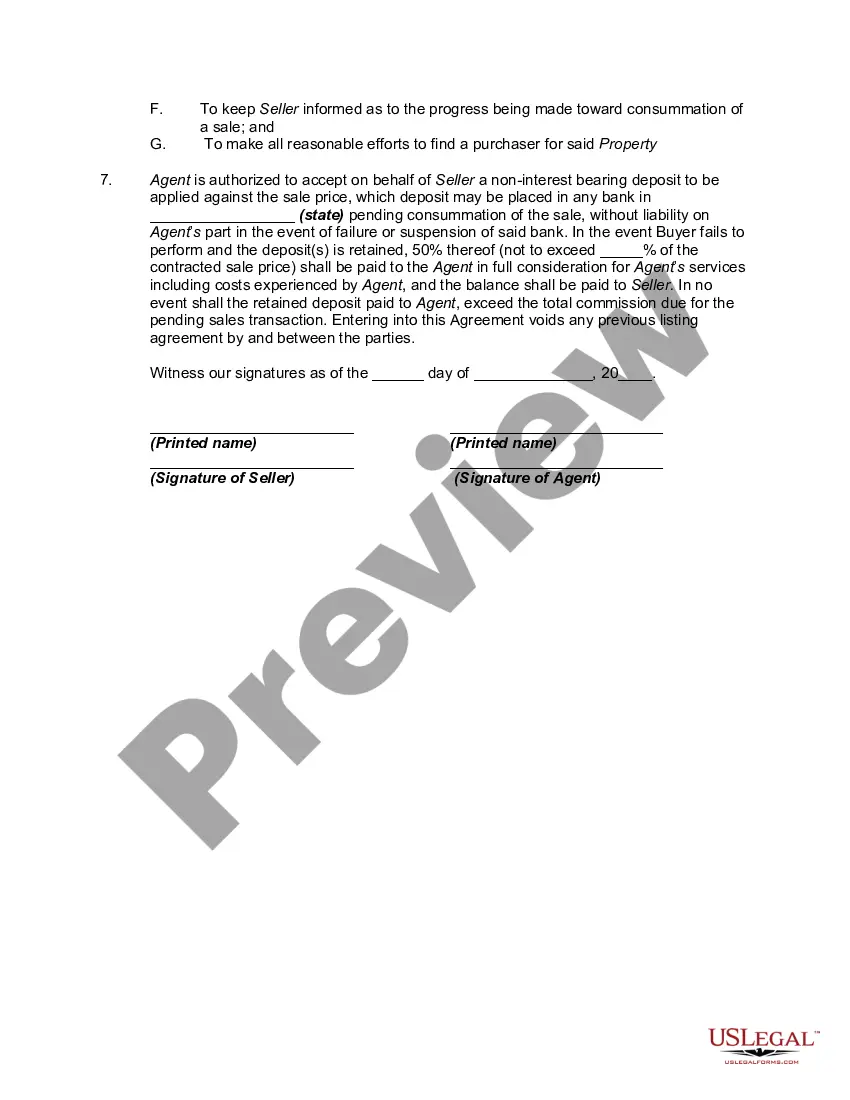
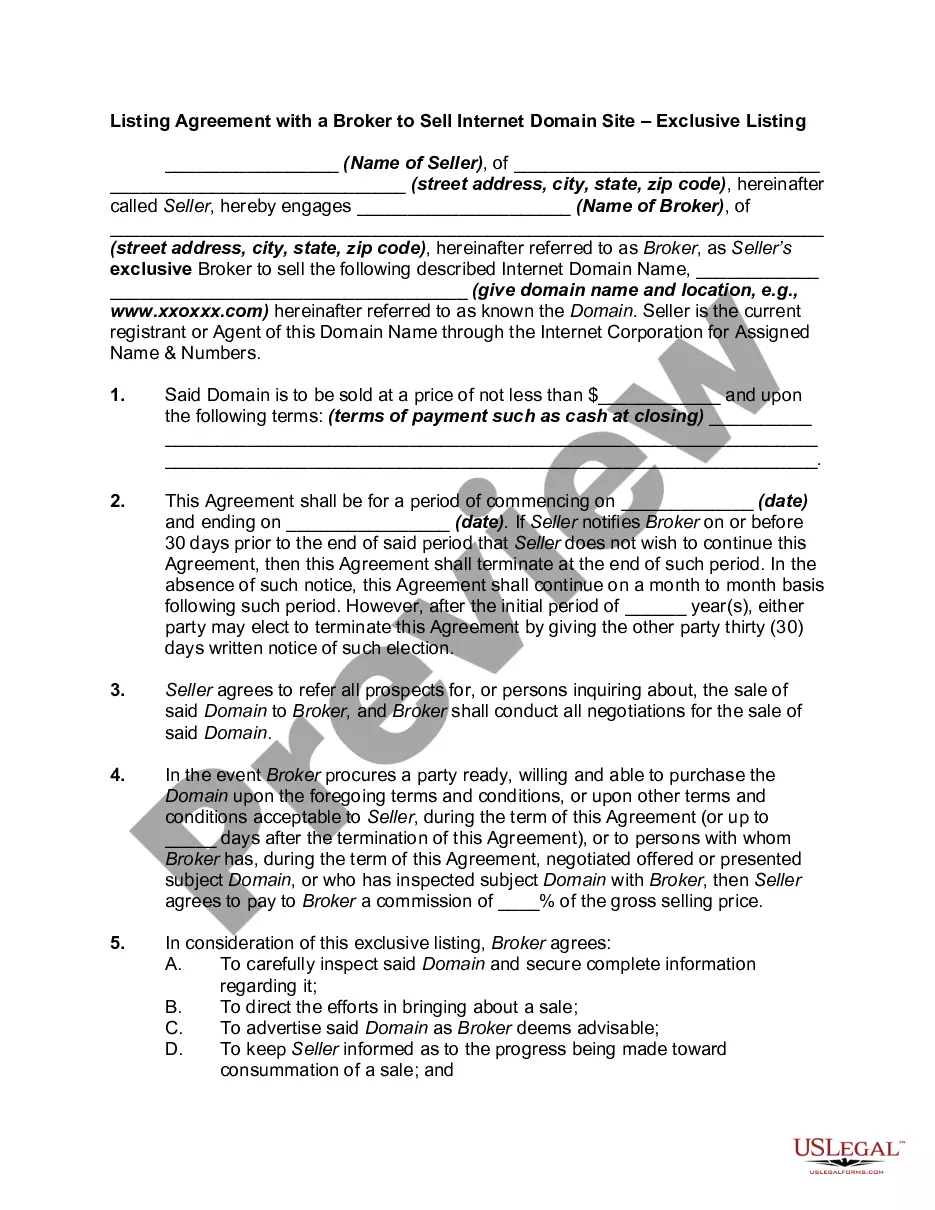
Agent For Commercial Lease In King
Description


Get your form ready online
Our built-in tools help you complete, sign, share, and store your documents in one place.
Make edits, fill in missing information, and update formatting in US Legal Forms—just like you would in MS Word.
Download a copy, print it, send it by email, or mail it via USPS—whatever works best for your next step.
Sign and collect signatures with our SignNow integration. Send to multiple recipients, set reminders, and more. Go Premium to unlock E-Sign.
If this form requires notarization, complete it online through a secure video call—no need to meet a notary in person or wait for an appointment.
We protect your documents and personal data by following strict security and privacy standards.

Make edits, fill in missing information, and update formatting in US Legal Forms—just like you would in MS Word.

Download a copy, print it, send it by email, or mail it via USPS—whatever works best for your next step.

Sign and collect signatures with our SignNow integration. Send to multiple recipients, set reminders, and more. Go Premium to unlock E-Sign.

If this form requires notarization, complete it online through a secure video call—no need to meet a notary in person or wait for an appointment.

We protect your documents and personal data by following strict security and privacy standards.
Looking for another form?









Form popularity
FAQ
Businesses may consider lease assignment for various reasons, such as relocation, financial constraints, or changes in business needs. For instance, a company experiencing rapid growth may seek more extensive premises, making lease assignment an attractive option to exit the current arrangement.
Review the Lease Agreement. The assignor (current tenant) should review the existing lease agreement to understand the terms and conditions associated with the lease assignment. Obtain Landlord's Consent. Negotiate Terms. Deed of Assignment. Land Registry Notification. Completion and Handover.
An assignment is a full transfer of the lease between the tenant and the assignee. Therefore, since the tenant no longer has any ownership interest in the property, there is no longer any relationship between the landlord and the tenant as far as the property ownership is concerned.
An assignment transfers one party's interest and obligations under a lease to another party. During these tenant transfers, the new tenant takes on the lease responsibilities, including paying rent and property maintenance of the leased premises, and the original tenant is released from most of their duties.
While there's no universally required credit score needed to rent an apartment, having a solid credit score can certainly help your chances of a landlord handing you a set of keys. In general, a landlord will look for a credit score that is at least “good,” which is generally in the range of 670 to 739.
Review the Lease Agreement. The assignor (current tenant) should review the existing lease agreement to understand the terms and conditions associated with the lease assignment. Obtain Landlord's Consent. Negotiate Terms. Deed of Assignment. Land Registry Notification. Completion and Handover.
Gross leases are most common for commercial properties such as offices and retail space. The tenant pays a single, flat amount that includes rent, taxes, utilities, and insurance.
An Experian business score of 76 or higher is generally considered to be good.
How to write a letter of intent for business Write the introduction. Describe the transaction and timeframes. List contingencies. Go through due diligence. Include covenants and other binding agreements. State that the agreement is nonbinding. Include a closing date.
