Listing Agreement For Commercial Lease In Florida
Description

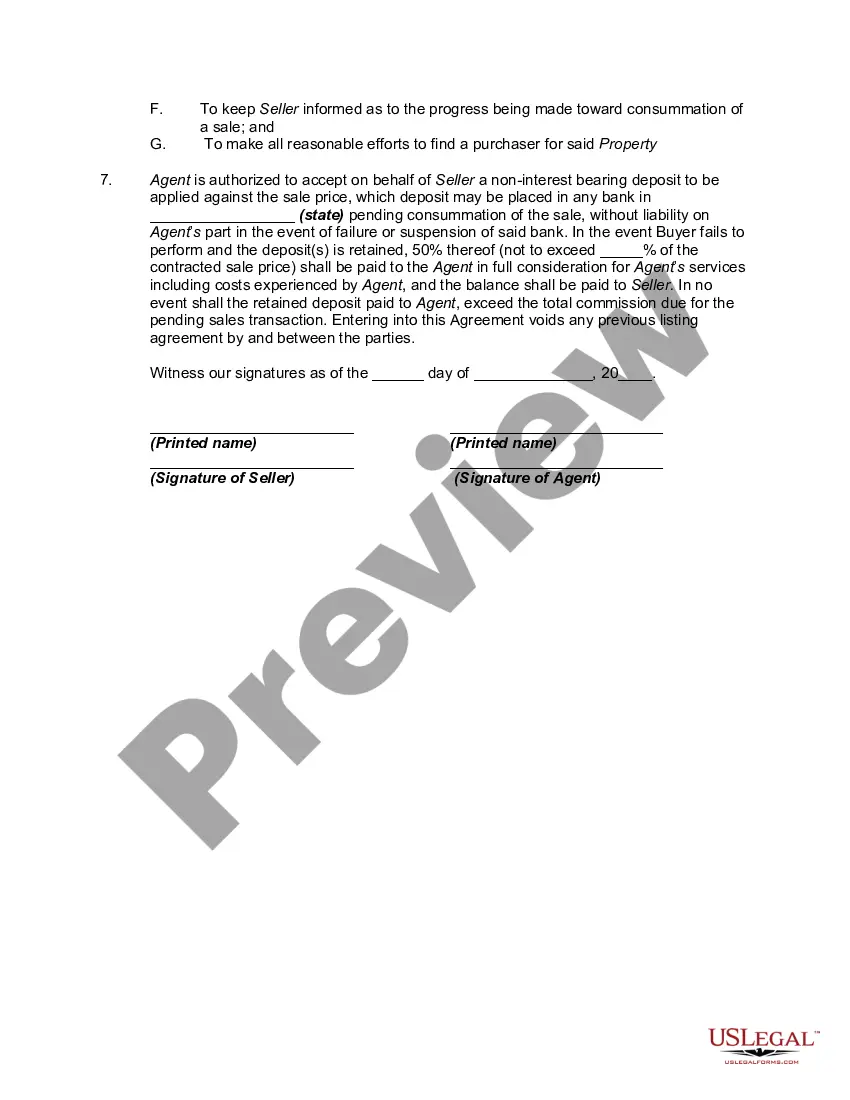

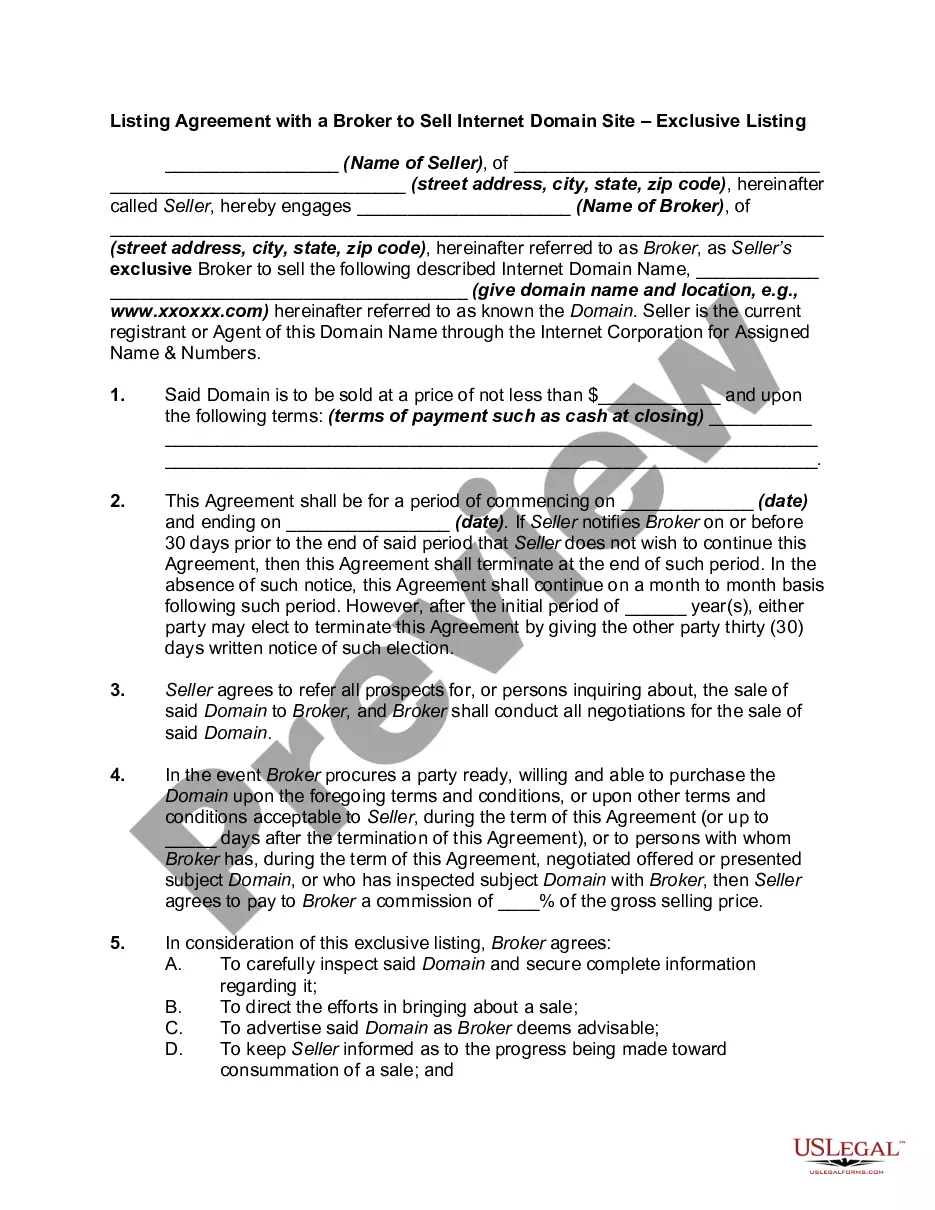
Get your form ready online
Our built-in tools help you complete, sign, share, and store your documents in one place.
Make edits, fill in missing information, and update formatting in US Legal Forms—just like you would in MS Word.
Download a copy, print it, send it by email, or mail it via USPS—whatever works best for your next step.
Sign and collect signatures with our SignNow integration. Send to multiple recipients, set reminders, and more. Go Premium to unlock E-Sign.
If this form requires notarization, complete it online through a secure video call—no need to meet a notary in person or wait for an appointment.
We protect your documents and personal data by following strict security and privacy standards.

Make edits, fill in missing information, and update formatting in US Legal Forms—just like you would in MS Word.

Download a copy, print it, send it by email, or mail it via USPS—whatever works best for your next step.

Sign and collect signatures with our SignNow integration. Send to multiple recipients, set reminders, and more. Go Premium to unlock E-Sign.

If this form requires notarization, complete it online through a secure video call—no need to meet a notary in person or wait for an appointment.

We protect your documents and personal data by following strict security and privacy standards.
Looking for another form?
Form popularity
FAQ
Yes, you can write your lease agreement in Florida. However, consulting with a qualified attorney or utilizing a professionally drafted lease agreement template is highly recommended to ensure that it complies with all applicable laws and regulations.
Many contracts, such as simple sales agreements or employment agreements, do not need to be notarized to be legally binding. The requirement varies based on the contract type and jurisdiction. However, some contracts like real estate transfers or powers of attorney may require notarization by law.
Further, any lease over one year in duration must be in writing and signed by the parties. There is currently no witness requirement for commercial leases in Florida, and a notary is not necessary.
The following terms should be included in a written commercial real estate lease agreement including: (1) party names (today, in commercial leases, most landlords also name the individual with the business entity), (2) a description of the subject property, (3) the lease term (can be in years or months), (4) the amount ...
Gross leases are most common for commercial properties such as offices and retail space. The tenant pays a single, flat amount that includes rent, taxes, utilities, and insurance.
With the introduction of the amendment, Florida Statutes 689.01 (1) expressly state that “no subscribing witnesses shall be required for a lease of real property or any such instrument pertaining to a lease of real property.” The reason behind the original requirement was the prevention of fraud or forgery.
Lease agreements are considered to be legally binding once the document is signed by both parties.
Once properly executed and signed, a Florida lease agreement does not require notarization as a validity requirement. While all documents recorded in public records are notarized, notarizing a commercial lease agreement will not affect its validity – neither positively nor negatively.
How to write a Florida lease agreement Begin with the basics. Include the names and addresses of both the landlord (lessor) and the tenant (lessee), along with the residential property's address. Specify the term of the lease. Address security deposits. Include maintenance responsibilities. Add additional provisions.