Listing Agreement Commercial With No Brokerage Representation In Contra Costa
Description



Form popularity
FAQ
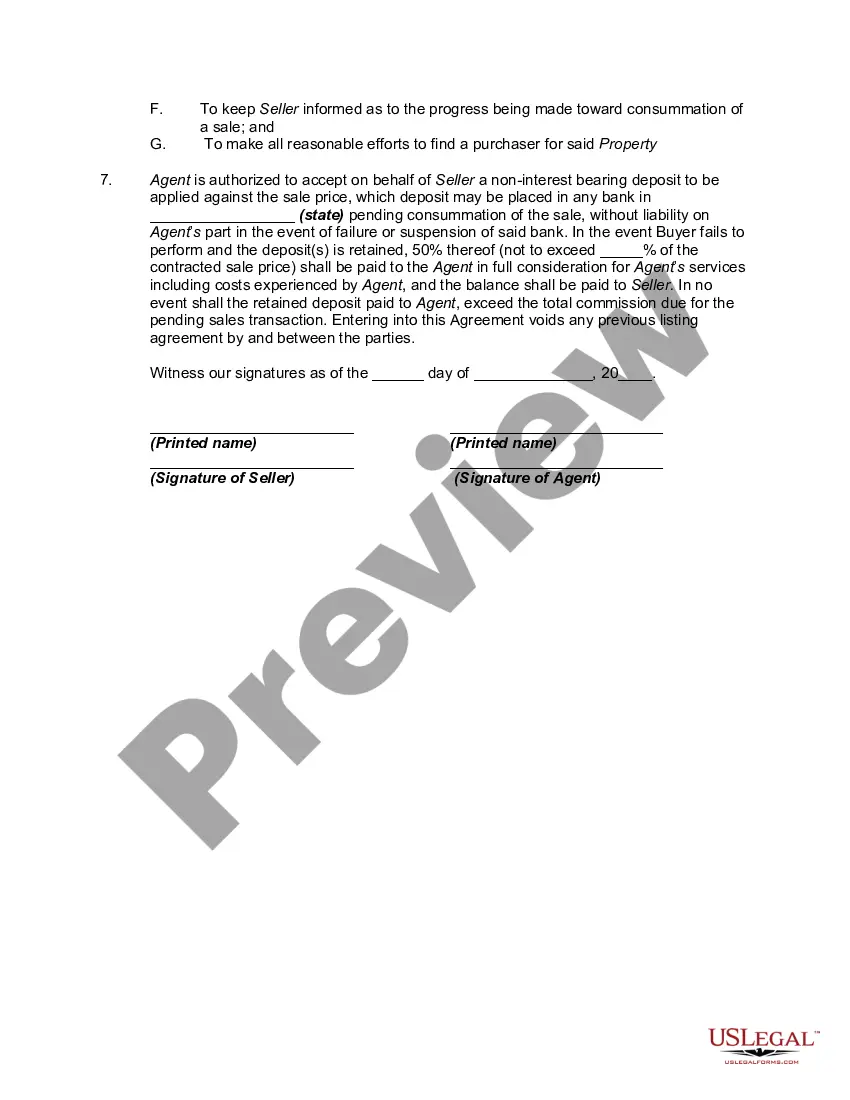
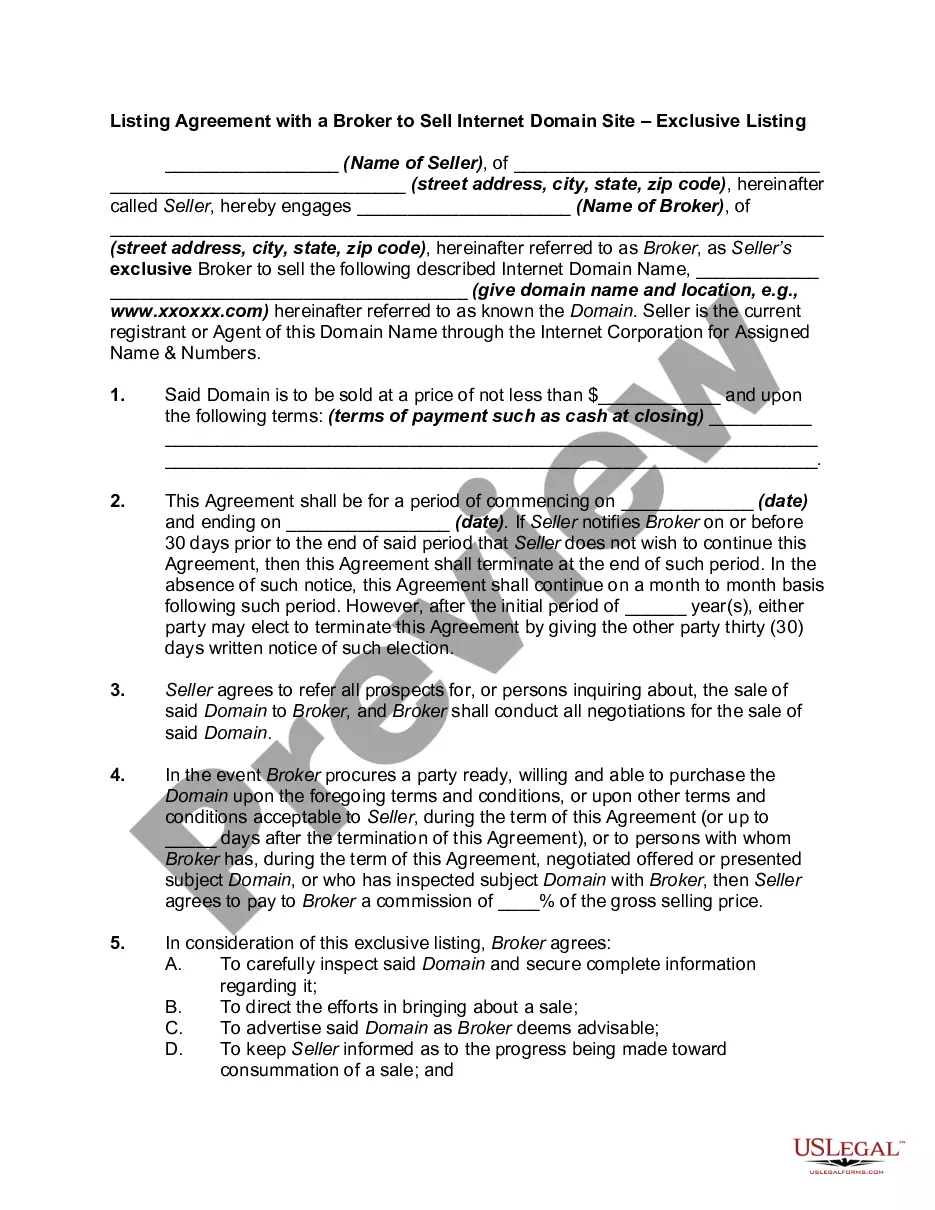
In California's dynamic real estate market, the listing agreement stands as a cornerstone for home sellers, ensuring a seamless and legally sound transaction. This formal contract between a property owner and a real estate broker authorizes the broker to represent the seller in marketing and selling the property.
Exclusive Right to Sell Listing With this contract type, the agent is given exclusive rights to market the home, post it on the MLS, and receive the selling commission. Because this contract favors the agent, it's no surprise that most realtors prefer this type of agreement.
Listing agreements vary. Each type has its own advantages and disadvantages: Exclusive Right-to-Sell Listing: The most common type. It grants the broker the exclusive right to sell your home, regardless of who finds the buyer.
Exclusive Rights-to-Sell Listing This gives the real estate agent the exclusive rights to market your home and list it on MLS. They will receive the full commission as long the home is sold within the designated timeframe. This is the preferred agreement for most real estate agents.
The most desirable form of listing agreement for an agent is the Exclusive Right to Sell, as it guarantees a commission regardless of who sells the property. This agreement provides financial security and protection for the agent.
An off-MLS listing (also known as a “pocket listing” or an “off-market listing”) refers to a property that is for sale, but has not been listed on the MLS (Multiple Listing Service).
An exclusive right to sell listing is the most widely-used listing agreement. Under this agreement, the broker has the exclusive right to market the property for a specified period of time.
A brokerage agreement is a statutory agreement between a broker and a customer, summarizing the terms and conditions of their professional association. In addition, brokers can offer different services, including managing portfolios, purchasing and selling securities, and offering investment advice.
Open brokerage agreement means any agreement between a broker and a party other than an exclusive brokerage agreement, in which case the broker is entitled to compensation only if the broker performs the agreed services or is the cause of the transaction and otherwise fulfills the broker's duties and responsibilities ...
