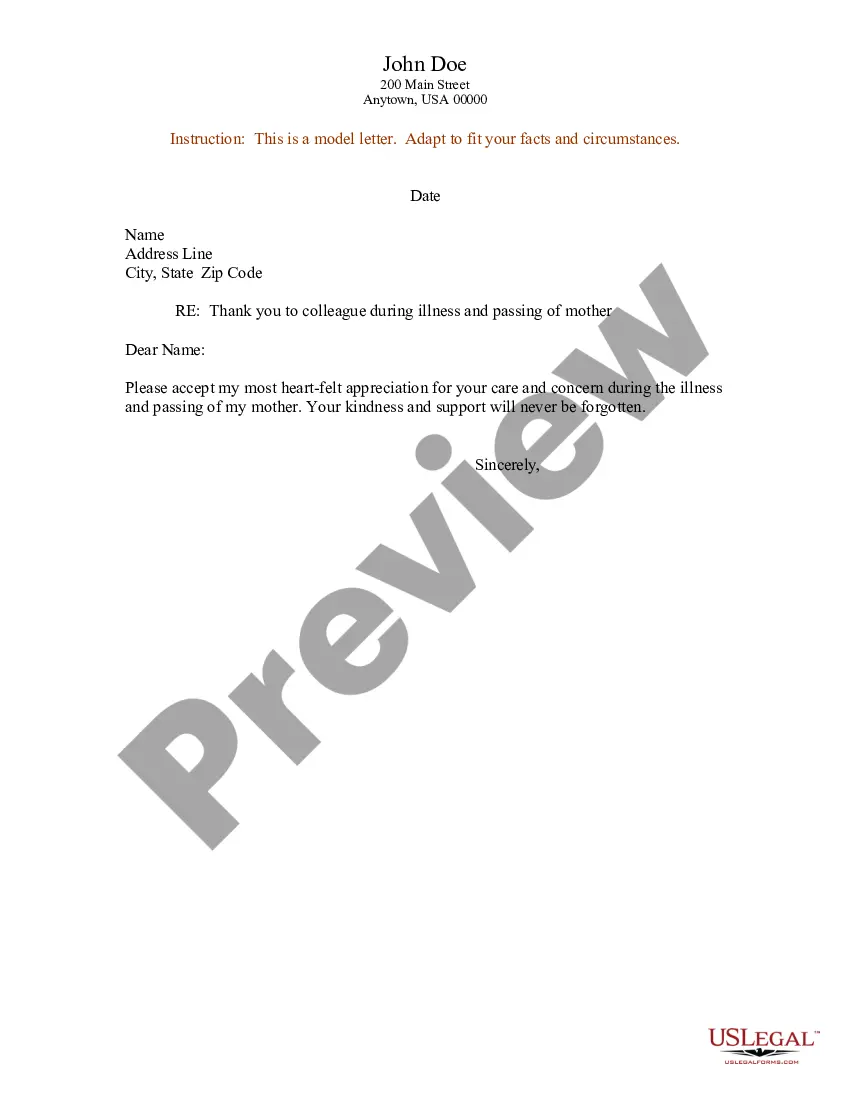
Broker Commercial Property Without In Collin
Description

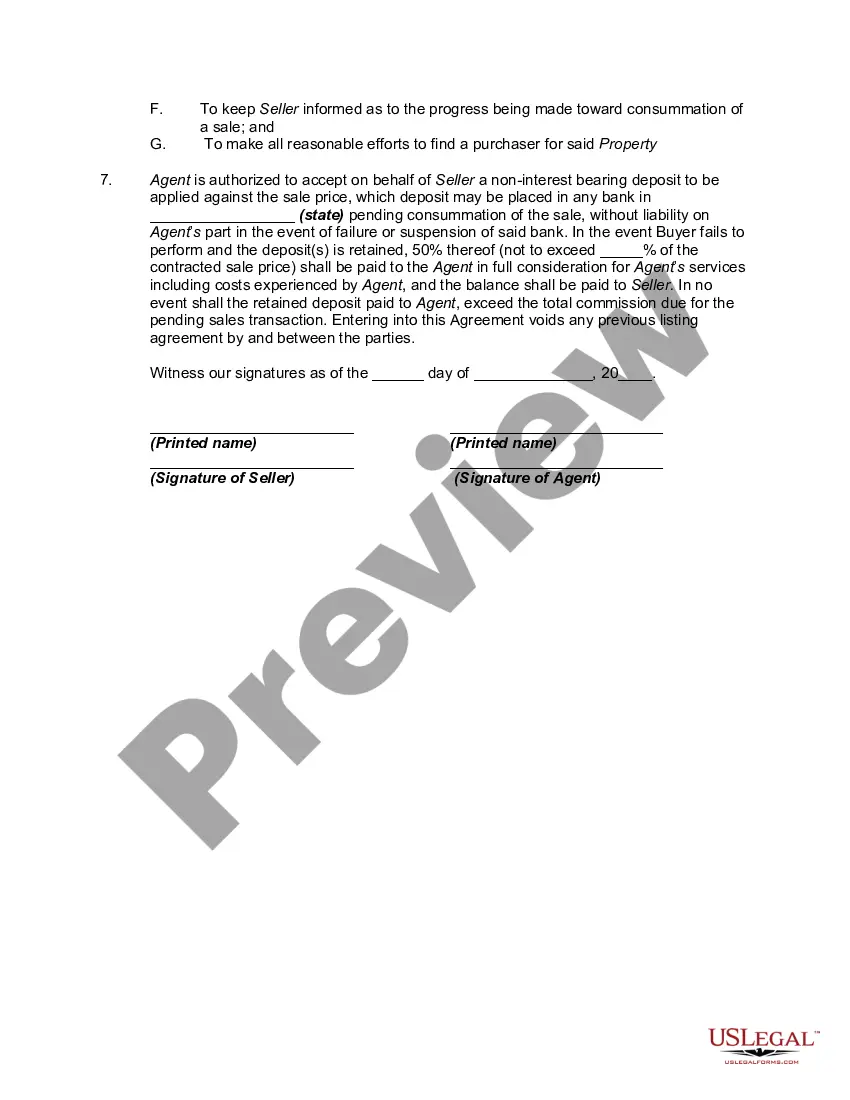

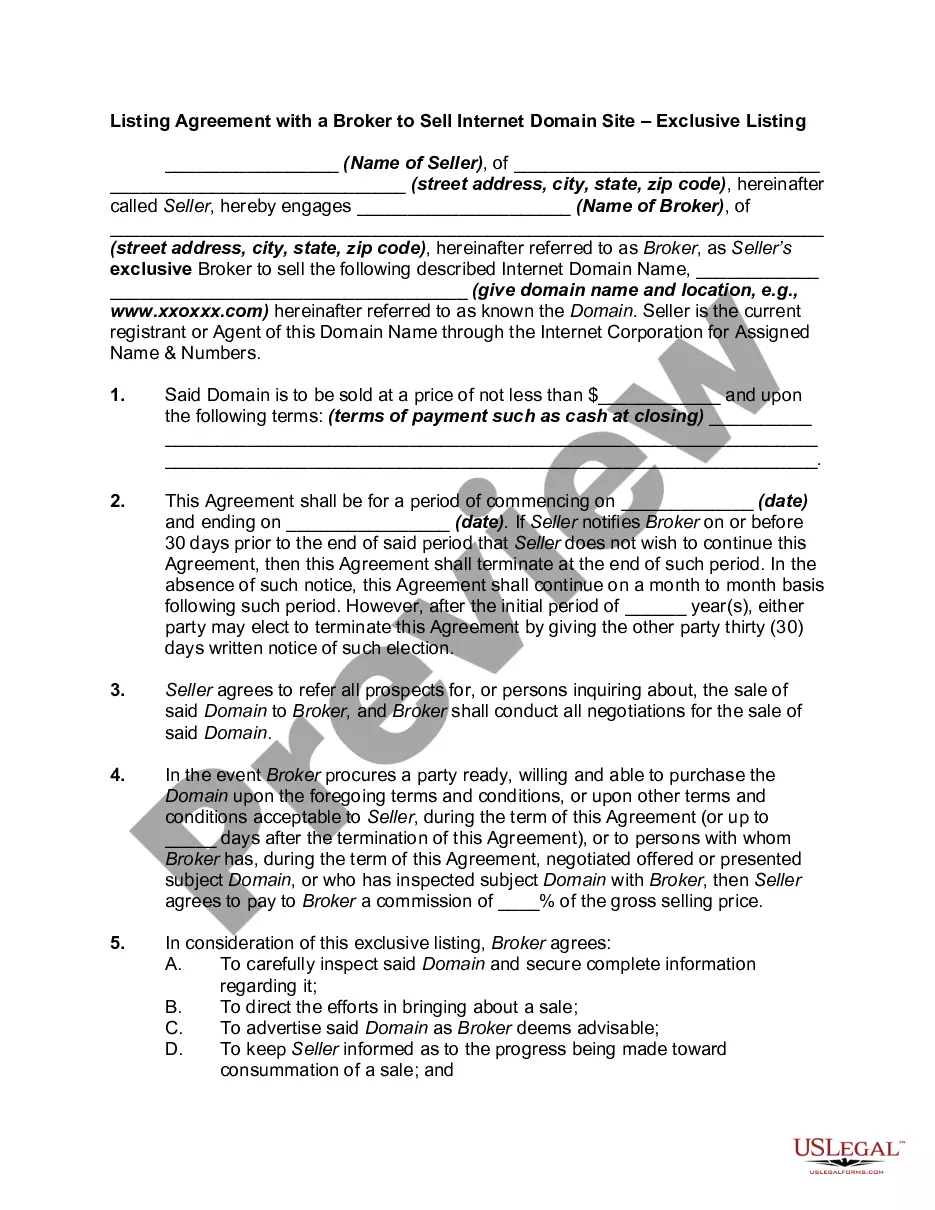
Get your form ready online
Our built-in tools help you complete, sign, share, and store your documents in one place.
Make edits, fill in missing information, and update formatting in US Legal Forms—just like you would in MS Word.
Download a copy, print it, send it by email, or mail it via USPS—whatever works best for your next step.
Sign and collect signatures with our SignNow integration. Send to multiple recipients, set reminders, and more. Go Premium to unlock E-Sign.
If this form requires notarization, complete it online through a secure video call—no need to meet a notary in person or wait for an appointment.
We protect your documents and personal data by following strict security and privacy standards.

Make edits, fill in missing information, and update formatting in US Legal Forms—just like you would in MS Word.

Download a copy, print it, send it by email, or mail it via USPS—whatever works best for your next step.

Sign and collect signatures with our SignNow integration. Send to multiple recipients, set reminders, and more. Go Premium to unlock E-Sign.

If this form requires notarization, complete it online through a secure video call—no need to meet a notary in person or wait for an appointment.

We protect your documents and personal data by following strict security and privacy standards.
Looking for another form?



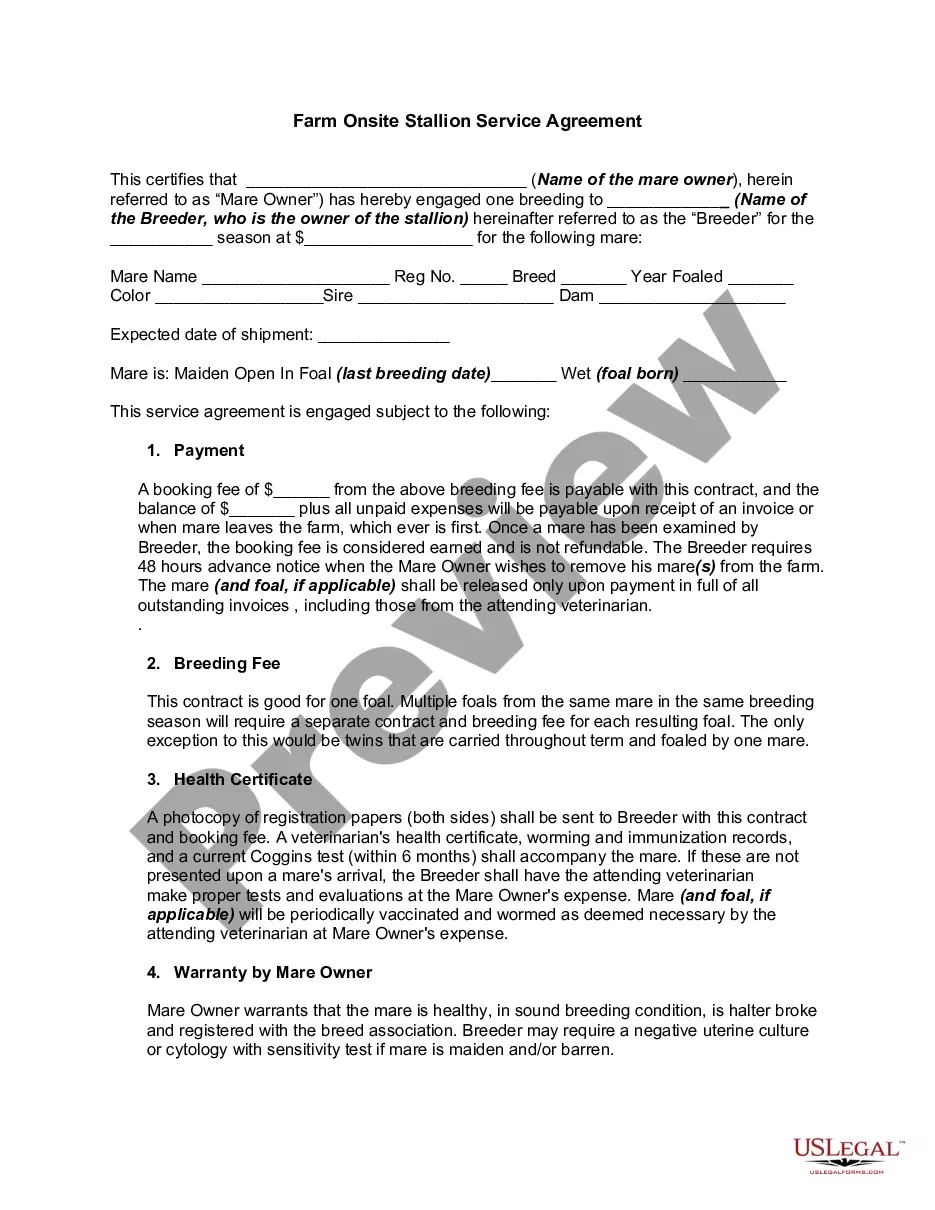






Form popularity
FAQ
Commercial Real Estate Broker Salary in Texas Annual SalaryHourly Wage Top Earners $272,043 $130 75th Percentile $260,900 $125 Average $182,837 $88 25th Percentile $27,900 $13
Without TREC-Approved college bachelor's degree, you need to have a total of 900 course hours. All previous Texas Real Estate courses will count towards your 900 hours. Our 30-hour Texas Real Estate Brokers courses are available via our Blended Classroom, Correspondence, and Online-Correspondence formats.
Although every state is able to choose its own requirements, they all need you to get a license in order to sell commercial real estate. In Texas, there are certain qualifications that you must have before you can commit to becoming a real estate agent.
Complete 270-hours of approved pre-licensing education. Successfully complete 270 clock hours of approved Pre-Licensing Affiliate Broker courses. Pass the course final exams. Meet the Experience Requirements. Complete your license application. Provide fingerprints. Pass the Texas Real Estate Broker Licensing Exam.
Many of the issues confronting industry stakeholders in the new year are interrelated. High Financing Costs. Massive Commercial Real Estate Debt. High Cap Rates. Soaring Insurance Costs. Increasingly Unaffordable Housing. Rise in Artificial Intelligence. Impact of Extreme Weather. Lingering Office Vacancies.
In this instance, you would calculate the average property selling prices and annual gross rental incomes from similar properties in the area. This will allow you to calculate an average GRM. To calculate the value of your property, use this formula: Property value = Average GRM x Annual Gross Rental Income.
agent is licensed both as a broker and as an agent. For example, a real estate brokeragent negotiates contracts of sale and other agreements between buyers and sellers of real property. They represent either the buyer or the seller and help them reach an agreement on the terms of the sale.
A broker is a person or entity that arranges transactions between a buyer and a seller. This may be done for a commission when the deal is executed. A broker who also acts as a seller or as a buyer becomes a principal party to the deal.
Some of the primary differences between agents and brokers are: Agents work for insurance companies, while brokers work for consumers. Because brokers represent their clients, they have a duty to provide impartial advice and act in the buyers' best interest.