Realtor Broker Agent For Realtor In Chicago
Description

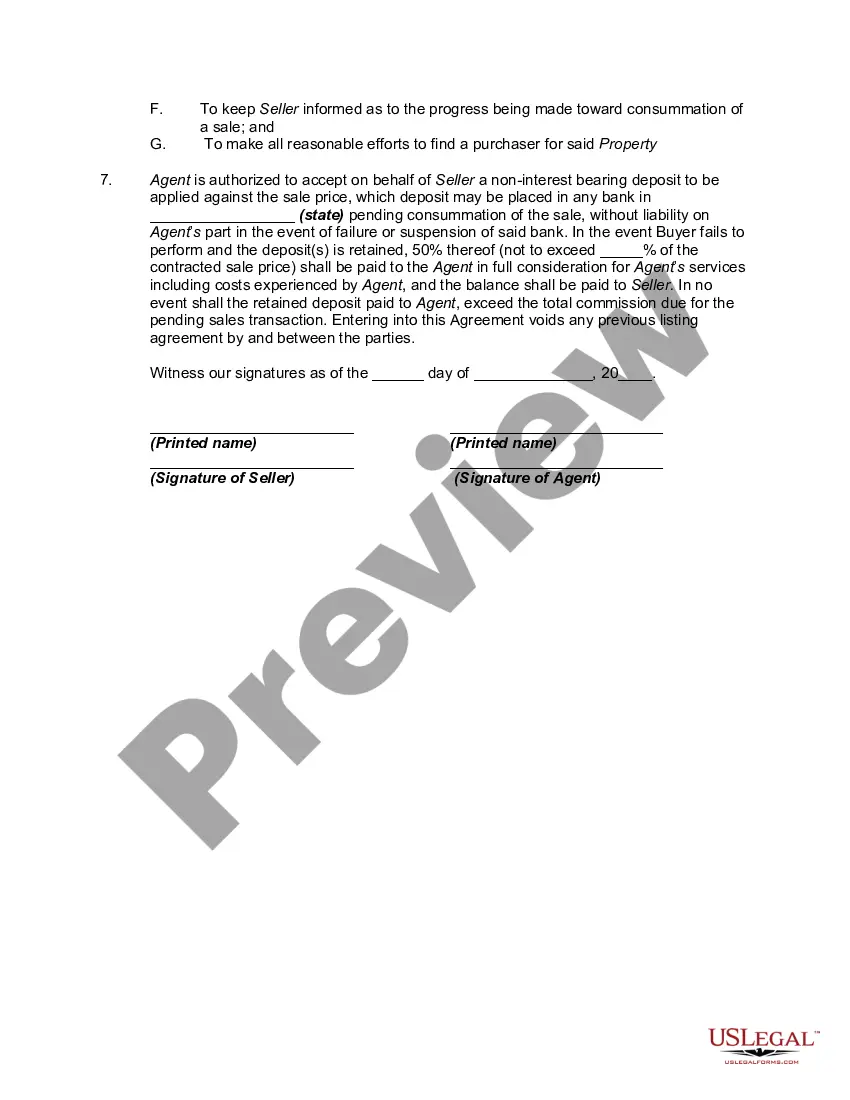

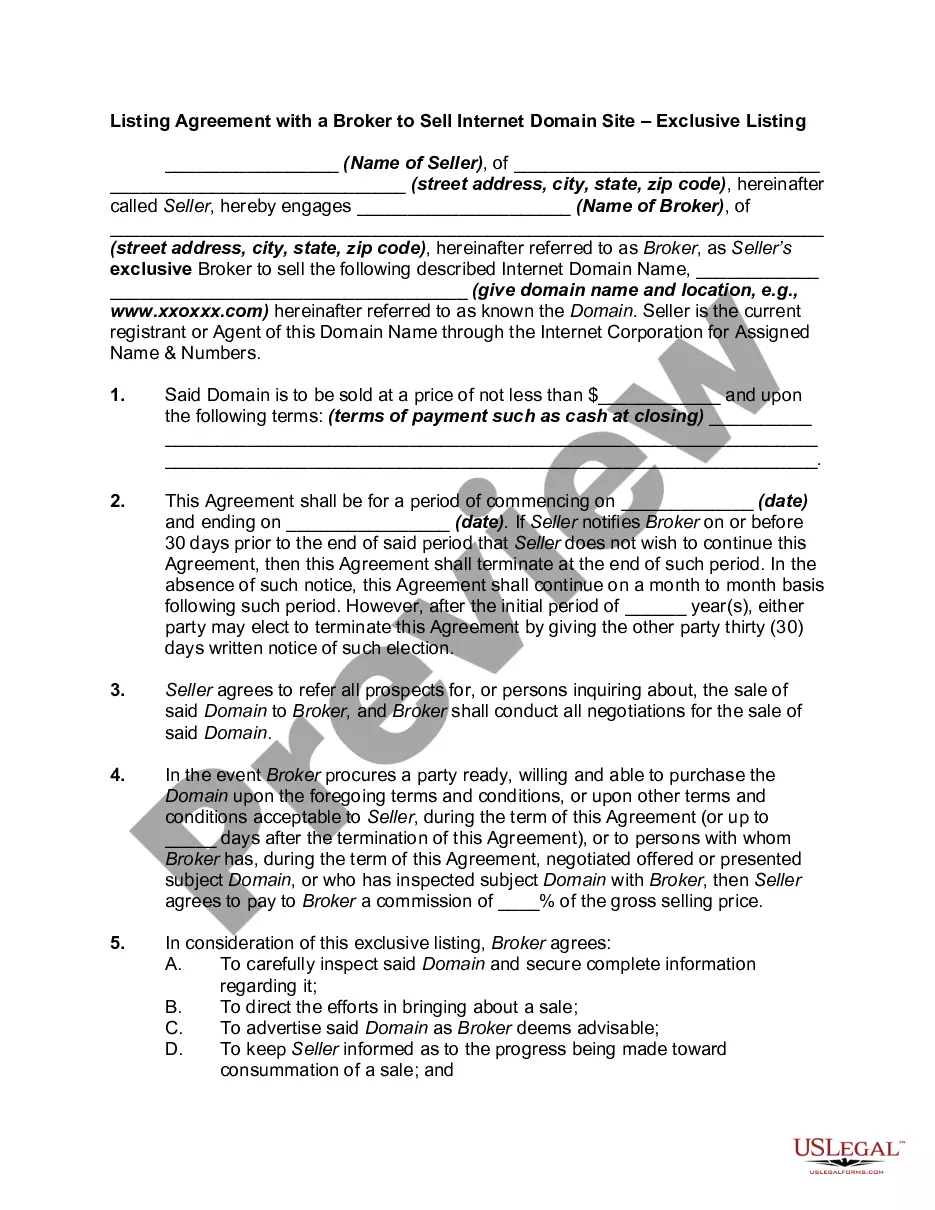
Get your form ready online
Our built-in tools help you complete, sign, share, and store your documents in one place.
Make edits, fill in missing information, and update formatting in US Legal Forms—just like you would in MS Word.
Download a copy, print it, send it by email, or mail it via USPS—whatever works best for your next step.
Sign and collect signatures with our SignNow integration. Send to multiple recipients, set reminders, and more. Go Premium to unlock E-Sign.
If this form requires notarization, complete it online through a secure video call—no need to meet a notary in person or wait for an appointment.
We protect your documents and personal data by following strict security and privacy standards.

Make edits, fill in missing information, and update formatting in US Legal Forms—just like you would in MS Word.

Download a copy, print it, send it by email, or mail it via USPS—whatever works best for your next step.

Sign and collect signatures with our SignNow integration. Send to multiple recipients, set reminders, and more. Go Premium to unlock E-Sign.

If this form requires notarization, complete it online through a secure video call—no need to meet a notary in person or wait for an appointment.

We protect your documents and personal data by following strict security and privacy standards.
Looking for another form?








Form popularity
FAQ
Brokers are not only more qualified than agents, but they generally have a few more years of experience. As such, those with a Broker License handle higher-level aspects of real estate transactions, including addressing the legal requirements of a deal and overseeing their agents.
In Chicago, the average commission rate is 6%, which is split in half between the listing agent and the buyer's agent (3% each). Depending on their agreement, they will also share that 3% with their brokerage. Examples: If your home sells for $350,000, 6% is $21,000.
Use Zillow's directory to find a Chicago, IL real estate agent. Filter your search to find the top real estate agents in Chicago, IL who specialize in helping you buy a home, list your home for sale, relocate to a new area, and more.
The Division of Real Estate Professions administers over 90,000 licenses for real estate managing brokers, brokers, and leasing agents, real estate corporations, partnerships, limited liability companies and branch offices, real estate pre-license schools, branch schools, instructors and continuing education schools, ...
A broker is a person or entity that arranges transactions between a buyer and a seller. This may be done for a commission when the deal is executed. A broker who also acts as a seller or as a buyer becomes a principal party to the deal.
In summary, while both brokers and commission agents facilitate transactions, brokers do not take ownership of the goods and act as intermediaries, while commission agents take temporary ownership of the goods and sell them on behalf of the seller.
Key Takeaways Real estate agents are licensed to help people buy, sell, and rent real estate and must work for a sponsoring broker or brokerage firm. Brokers have additional training and licensing requirements and can work independently or hire other real estate agents to work for them.
How are Agents and Brokers different? Agents represent insurance companies. Brokers represent consumers. Agents sell policies from insurance companies they represent. Brokers search for policies from different insurance companies.
Here are the steps you should take to find the best broker for you: Google brokers in your area. Reach out to those 10 brokers (either by phone or email) and explain that you are about to get your license and are looking to work under a sponsoring broker. Schedule interviews with 4 or 5 of the brokers.
If you wish to file a complaint against any individual or entity regulated by the Division of Real Estate (DRE), you may either use the Department's online complaint portal or complete one of the appropriate DRE Complaint Intake Forms and mail it with all attachments to the Division's Complaint Intake Unit in our ...
