Realtor Broker Agent For Realtor In Broward
Description

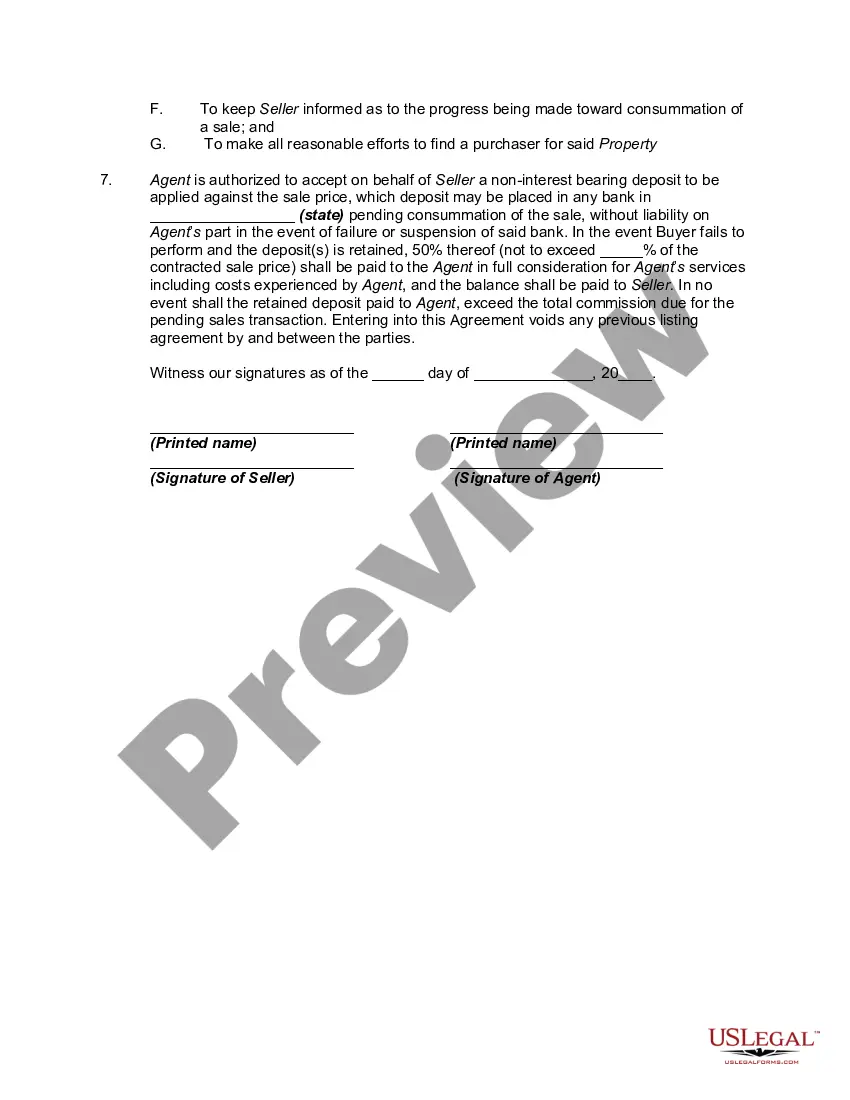

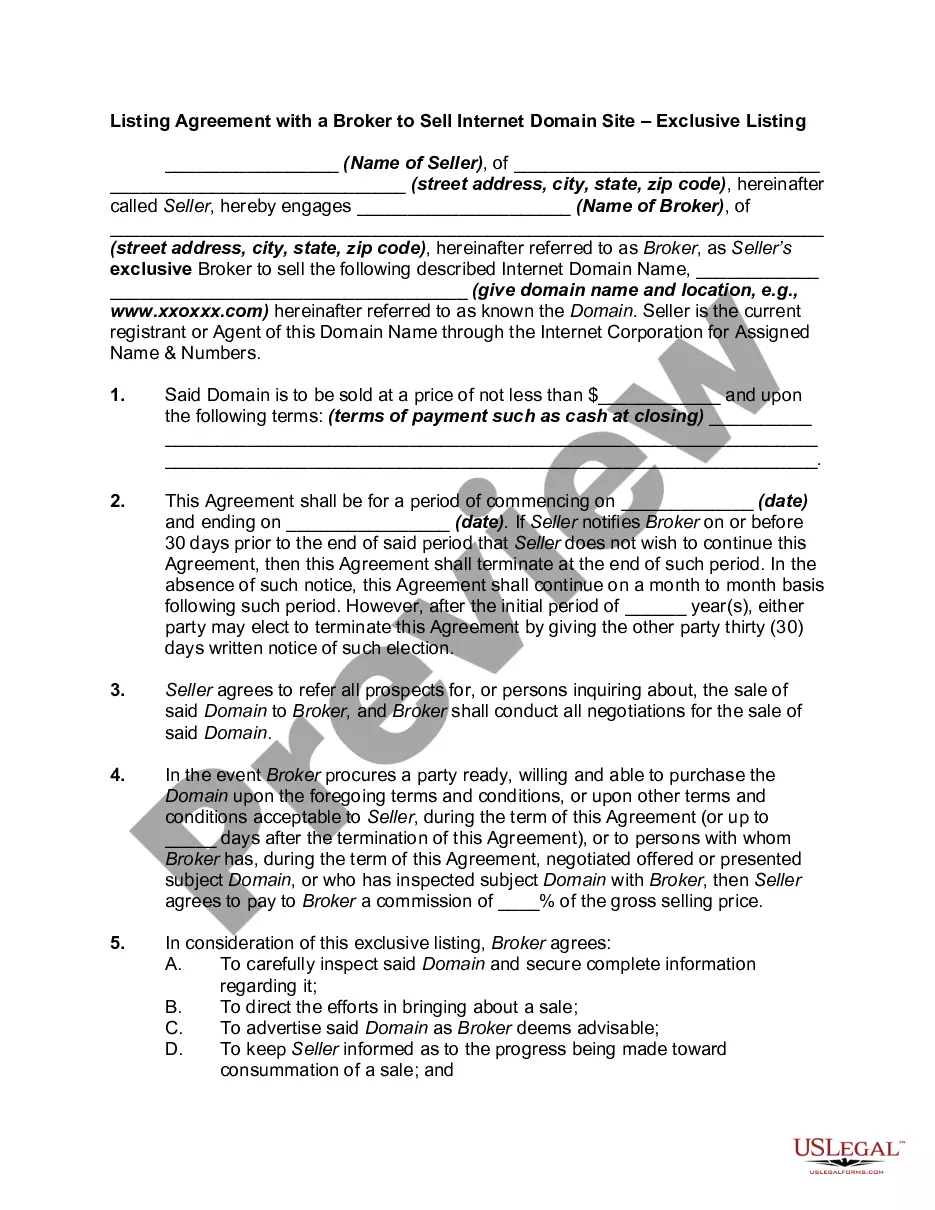
Get your form ready online
Our built-in tools help you complete, sign, share, and store your documents in one place.
Make edits, fill in missing information, and update formatting in US Legal Forms—just like you would in MS Word.
Download a copy, print it, send it by email, or mail it via USPS—whatever works best for your next step.
Sign and collect signatures with our SignNow integration. Send to multiple recipients, set reminders, and more. Go Premium to unlock E-Sign.
If this form requires notarization, complete it online through a secure video call—no need to meet a notary in person or wait for an appointment.
We protect your documents and personal data by following strict security and privacy standards.

Make edits, fill in missing information, and update formatting in US Legal Forms—just like you would in MS Word.

Download a copy, print it, send it by email, or mail it via USPS—whatever works best for your next step.

Sign and collect signatures with our SignNow integration. Send to multiple recipients, set reminders, and more. Go Premium to unlock E-Sign.

If this form requires notarization, complete it online through a secure video call—no need to meet a notary in person or wait for an appointment.

We protect your documents and personal data by following strict security and privacy standards.
Looking for another form?


Form popularity
FAQ
Brokers earn higher commission splits. Brokers often have the leverage to negotiate for a larger percentage of their sales commissions. This is because they require less supervision and can complete transactions independently.
The simple answer is yes – as a licensed agent, you can represent yourself in buying or selling real estate for yourself, so long as you disclose that you representing yourself upfront in the deal.
In Florida, you are required to have your Broker's license to start your own property management company. Earning a Florida Broker's license requires two years of full-time real estate agent experience, 72 hours of Broker Pre-Licensing coursework, and passing a Broker exam.
Yes, you can act as your own real estate agent. Anyone can represent themselves in a real estate transaction, even if they are not a licensed real estate agent.
Yes, a real estate agent can technically work independently in their day-to-day tasks, but real estate agents must still work under a licensed broker. Real estate agents are hired by a brokerage firm to sell and buy real estate.
Florida mandates that all licensed real estate agents work under a broker and cannot operate independently without a broker's license.
Brokers are not only more qualified than agents, but they generally have a few more years of experience. As such, those with a Broker License handle higher-level aspects of real estate transactions, including addressing the legal requirements of a deal and overseeing their agents.
To earn your Florida real estate license, you must be at least 18 years old, complete the 63-hour pre-licensing education requirement with an approved school, pass the Florida Real Estate Sales Associate Examination, and submit an application.
Florida won't allow you to become a broker without some serious industry experience. You'll need 24 months of experience as an active real estate salesperson within the five-year period leading up to your broker application.
How to Get a Broker License in Florida Step 1: Pass the Florida broker pre-license course. Step 2: Submit your broker application to the state. Step 3: Get fingerprinted for your background check. Step 4: Pass the Florida broker exam. Step 5: Complete post-license training.
