Agreement Broker Real Estate Without License In Allegheny
Description

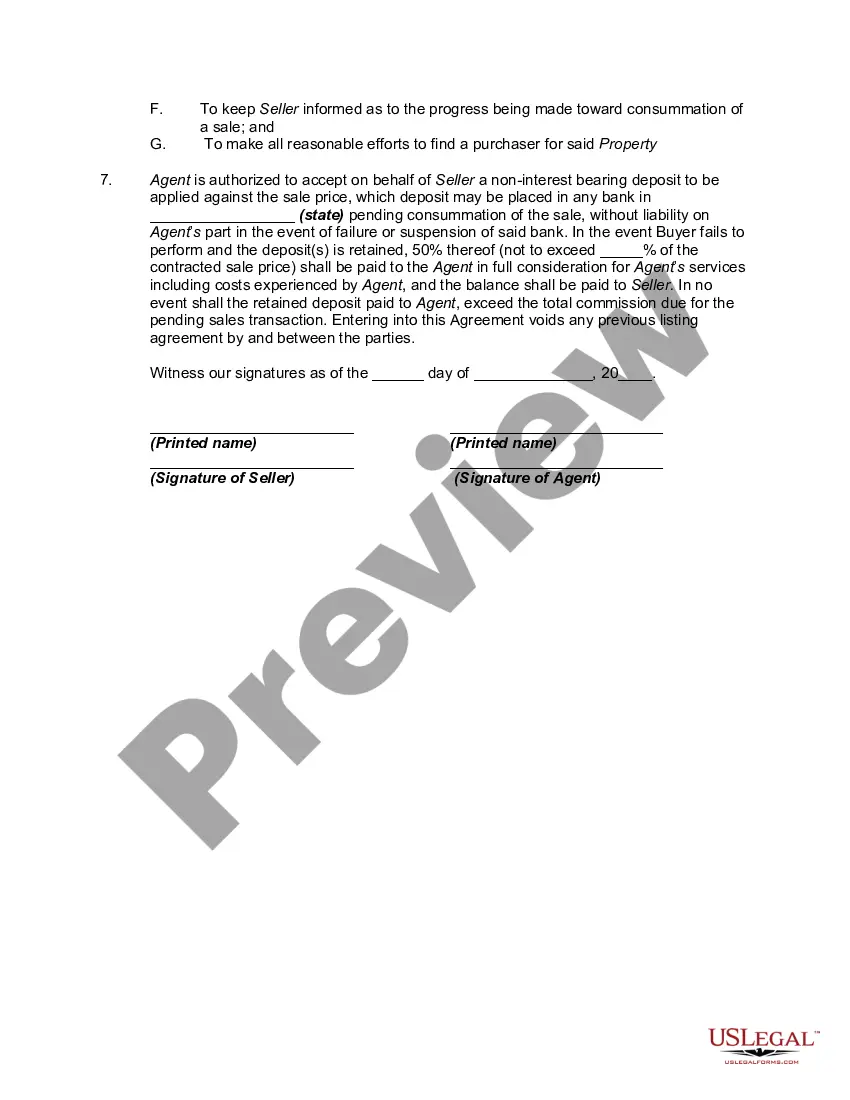

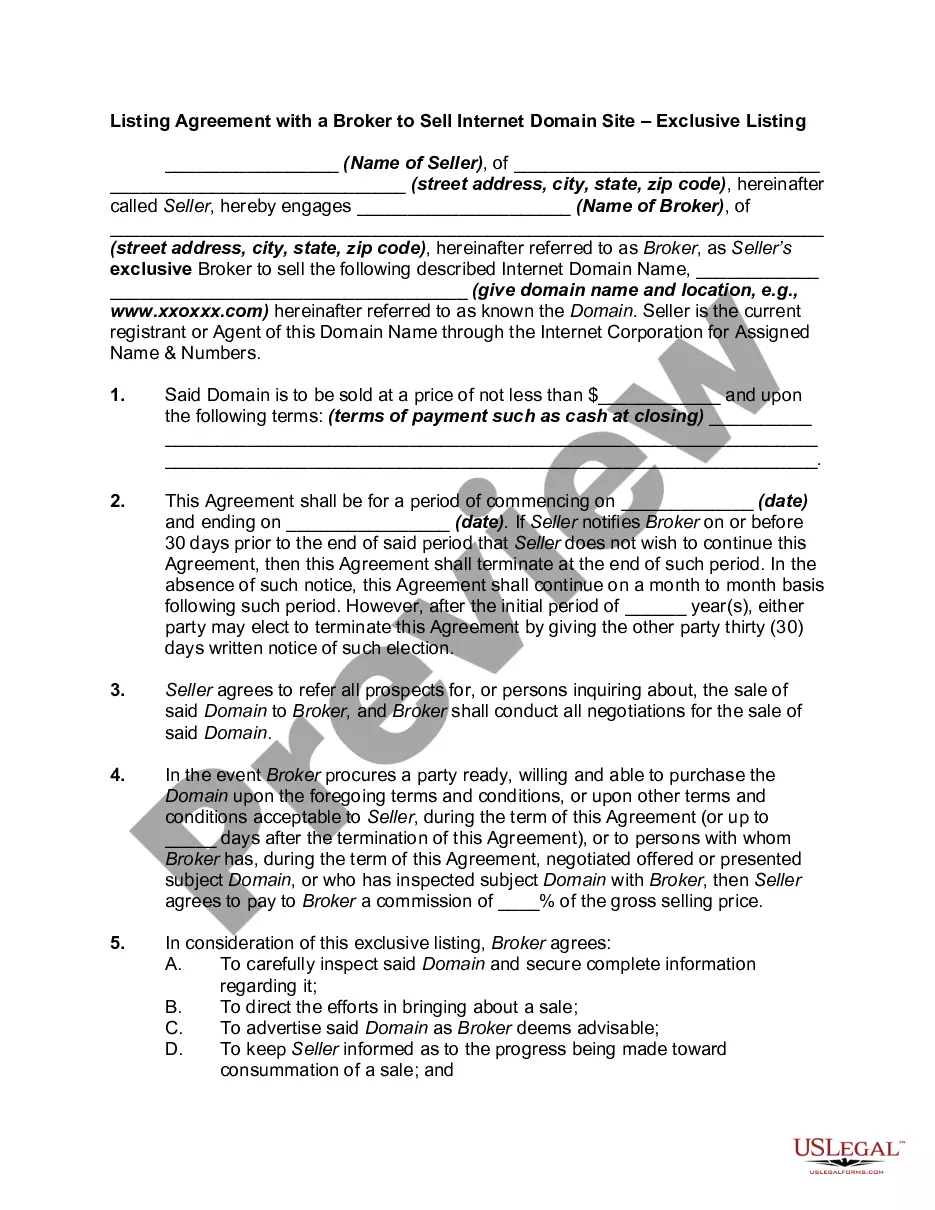
Get your form ready online
Our built-in tools help you complete, sign, share, and store your documents in one place.
Make edits, fill in missing information, and update formatting in US Legal Forms—just like you would in MS Word.
Download a copy, print it, send it by email, or mail it via USPS—whatever works best for your next step.
Sign and collect signatures with our SignNow integration. Send to multiple recipients, set reminders, and more. Go Premium to unlock E-Sign.
If this form requires notarization, complete it online through a secure video call—no need to meet a notary in person or wait for an appointment.
We protect your documents and personal data by following strict security and privacy standards.

Make edits, fill in missing information, and update formatting in US Legal Forms—just like you would in MS Word.

Download a copy, print it, send it by email, or mail it via USPS—whatever works best for your next step.

Sign and collect signatures with our SignNow integration. Send to multiple recipients, set reminders, and more. Go Premium to unlock E-Sign.

If this form requires notarization, complete it online through a secure video call—no need to meet a notary in person or wait for an appointment.

We protect your documents and personal data by following strict security and privacy standards.
Looking for another form?

Form popularity
FAQ
Let us start with the legal requirements for selling real estate in Pennsylvania and New Jersey. In both states, you must have a real estate license to represent a buyer or seller in a real estate transaction. However, you are allowed to sell your own home without a real estate license.
To qualify for the examinations, applicants must complete 75 hours of basic real estate courses from an accredited college or approved education provider—like CCAC. CCAC offers two 100% online programs, both of which provide all of the instruction necessary for students to obtain their Pennsylvania salesperson license.
The short answer is, yes. Real estate wholesaling in Pennsylvania is legal as long as the investor complies with all applicable state laws.
Pennsylvania's new law introduces sweeping changes to real estate wholesaling. In 2024, Pennsylvania enacted Act 52 which requires wholesalers to register with the state, obtain licensing, and follow disclosure policies. This new law will take effect January 9, 2025.
A candidate must be a high school graduate or equivalent and must be 21 years of age or older. In addition, the candidate must have acquired 16 credits, or 240 hours of instruction, in professional real estate education as determined by the State Real Estate Commission.
On July 8, 2024, Gov. Josh Shapiro signed Act 52 — the Wholesale Real Estate Transaction Transparency and Protection Act — into law, which requires real estate wholesalers to obtain licensing and grants additional protections to property owners in wholesale transactions. Act 52 will take effect on Jan. 4, 2025.
This means that anyone who wants to do a wholesale transaction for themselves or represents a wholesaler who is selling a property must have a real estate license. Act 52 of 2024 was signed into law in July 2024 and modifies RELRA to provide uniformity in real estate licensing and protect vulnerable consumers.
Selling your house without a real estate agent in Pennsylvania is possible, but it can be a challenging process. While the state does not require you to have a real estate attorney, it's smart to hire one for a for-sale-by-owner transaction anyway.
