Contract Termination With Cause In Suffolk
Description
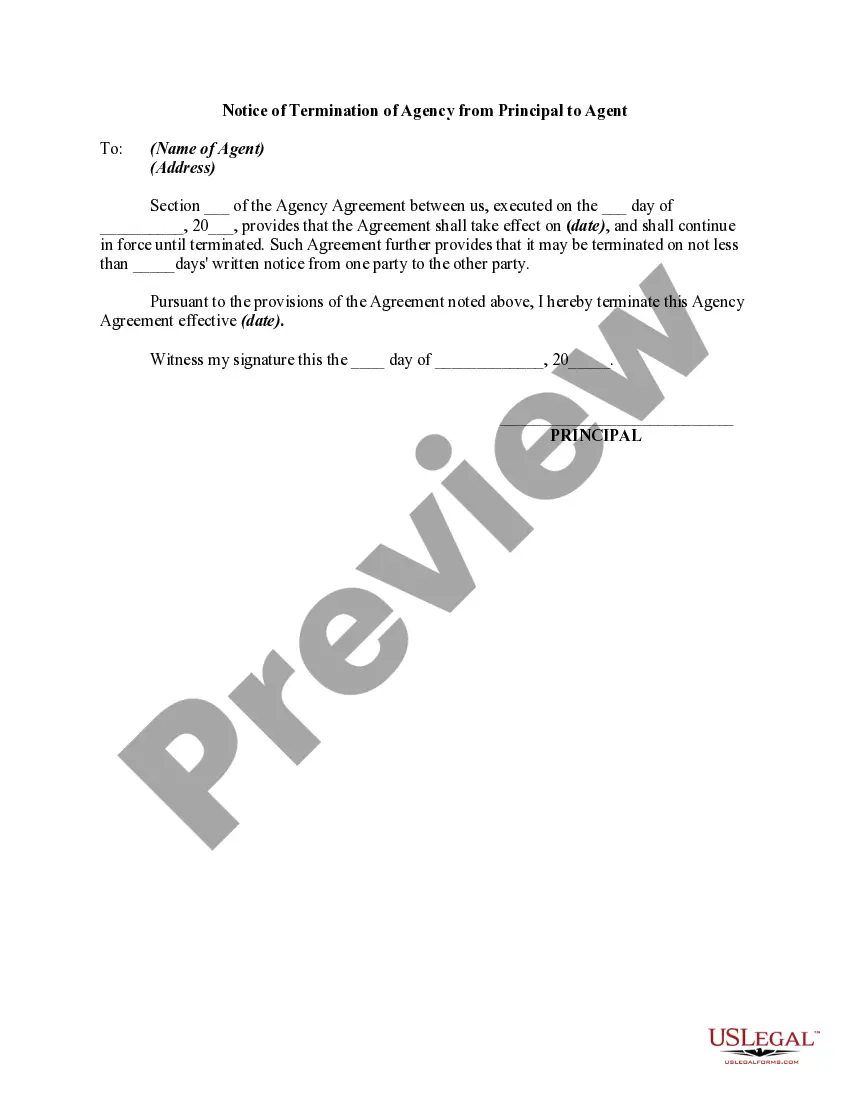
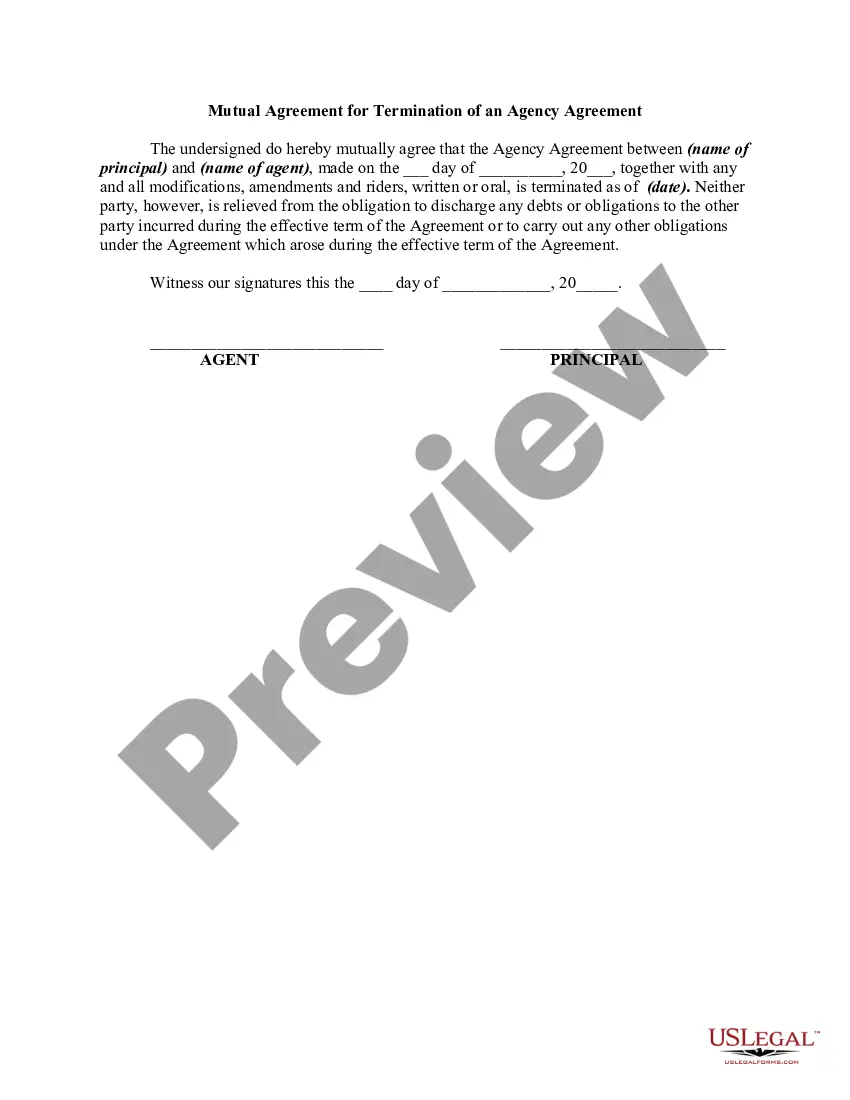
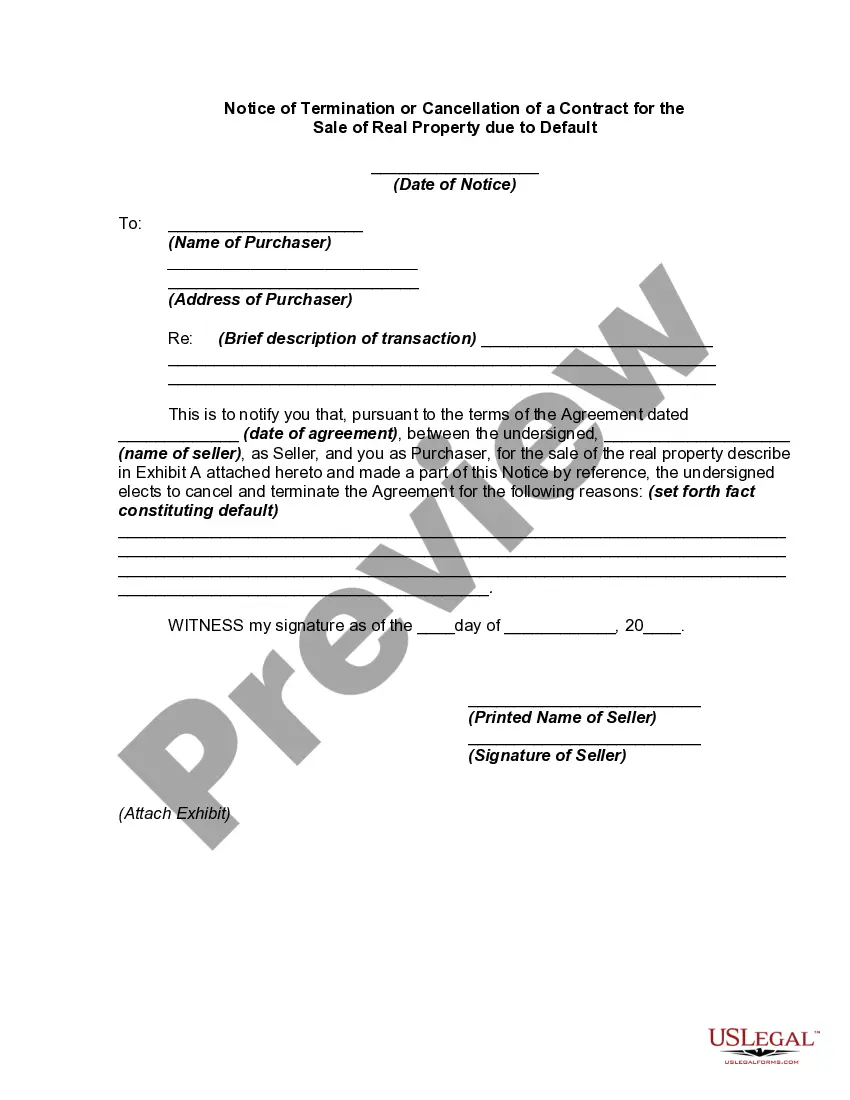
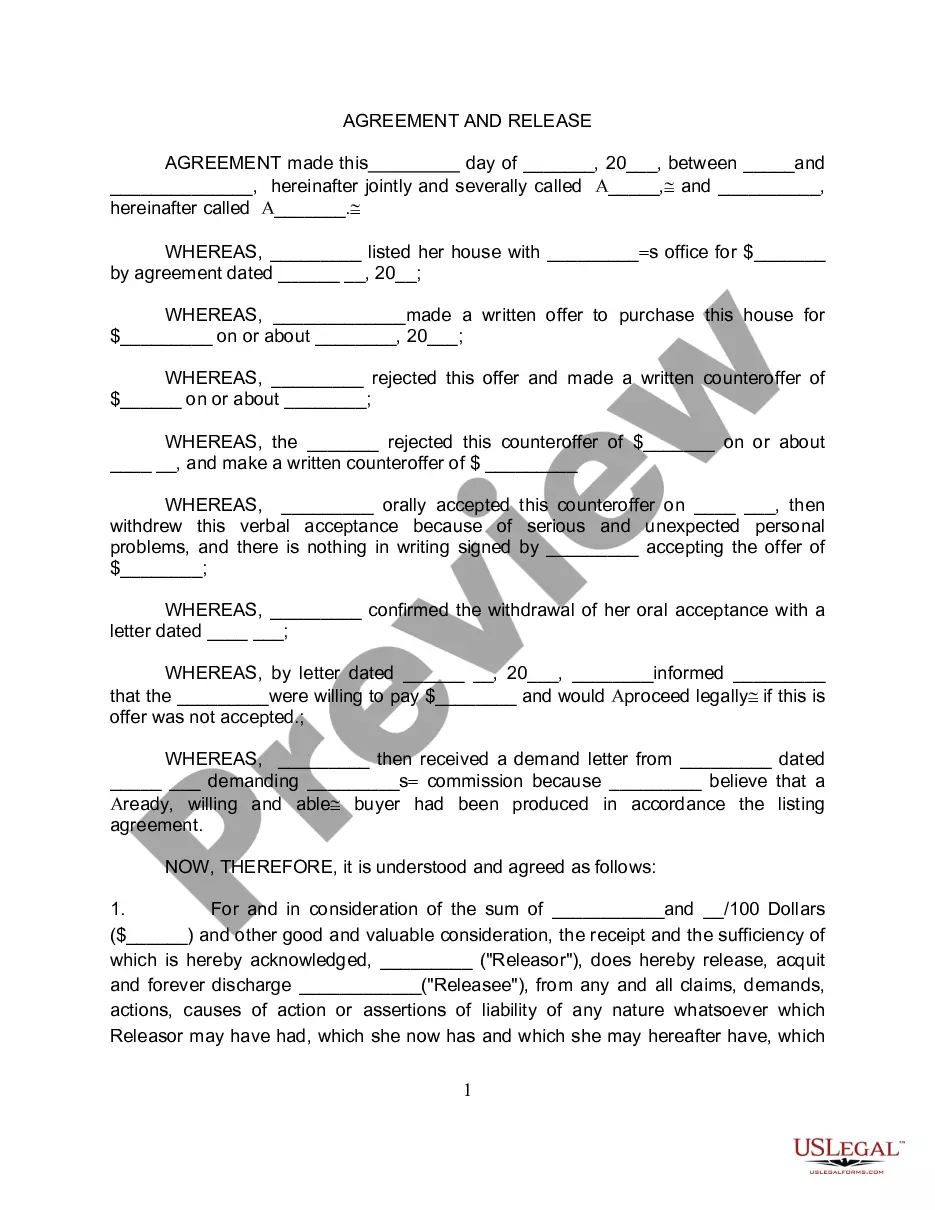
Get your form ready online
Our built-in tools help you complete, sign, share, and store your documents in one place.
Make edits, fill in missing information, and update formatting in US Legal Forms—just like you would in MS Word.
Download a copy, print it, send it by email, or mail it via USPS—whatever works best for your next step.
Sign and collect signatures with our SignNow integration. Send to multiple recipients, set reminders, and more. Go Premium to unlock E-Sign.
If this form requires notarization, complete it online through a secure video call—no need to meet a notary in person or wait for an appointment.
We protect your documents and personal data by following strict security and privacy standards.

Make edits, fill in missing information, and update formatting in US Legal Forms—just like you would in MS Word.

Download a copy, print it, send it by email, or mail it via USPS—whatever works best for your next step.

Sign and collect signatures with our SignNow integration. Send to multiple recipients, set reminders, and more. Go Premium to unlock E-Sign.

If this form requires notarization, complete it online through a secure video call—no need to meet a notary in person or wait for an appointment.

We protect your documents and personal data by following strict security and privacy standards.
Looking for another form?
Form popularity
FAQ
Just cause termination refers to an employer's right to terminate an employee for a valid reason, such as serious misconduct or repeated violations of company policies, without providing severance or other compensation.
Termination for cause occurs when a party's actions or inactions cause the contract to break down. This could be because they've failed or refused to perform their contractual obligations and breached the contract, for example.
The narrator explains the seven criteria for just cause: reasonable rule or order, notice, sufficient investigation, fair investigation, proof, equal treatment, and appropriate penalty.
The Seven Tests of Just Cause Fair Notice. An employer may not discipline an employee for violating a rule or standard whose nature and penalties have not been made known. Prior Enforcement. Due Process. Substantial Evidence. Equal Treatment. Progressive Discipline. Mitigating and Extenuating Circumstances.
Under California and federal employment law, proving a wrongful termination case is not easy. It requires thorough investigation and evidence to support the employee's claim. Note: The burden of proof is on the employee to prove that the termination was wrongful and that he or she suffered damages as a result.
The Labor Code provides for the following authorized causes: 1) Installation of labor-saving devices; 2) Redundancy; 3) Retrenchment; 4) Closing or cessation of business operations; 5) Disease; and. 6) Permanent lay-off (after 6-month work suspension).
Proving Just Cause: Employer's Burden An employer must establish that the employee's misconduct was so severe that it fractured the employment relationship beyond repair. This burden of proof is not an easy one to meet. The employer must first provide clear evidence of the employee's misconduct.
Conversely, being fired with cause means the employee committed a serious breach of conduct in their workplace, which led to their termination. “My employer didn't even tell me why I was fired.” “My employer lied about why I was fired.” “I got fired from my job for no reason.” “I was fired without any warning.”
There is a just cause if, having regard to all the circumstances of the specific case and balancing the interests of both parties, the terminating party cannot reasonably be expected to continue the contractual relationship until the agreed termination date or until the end of a notice period.

