Lease Without License In Wake
Description
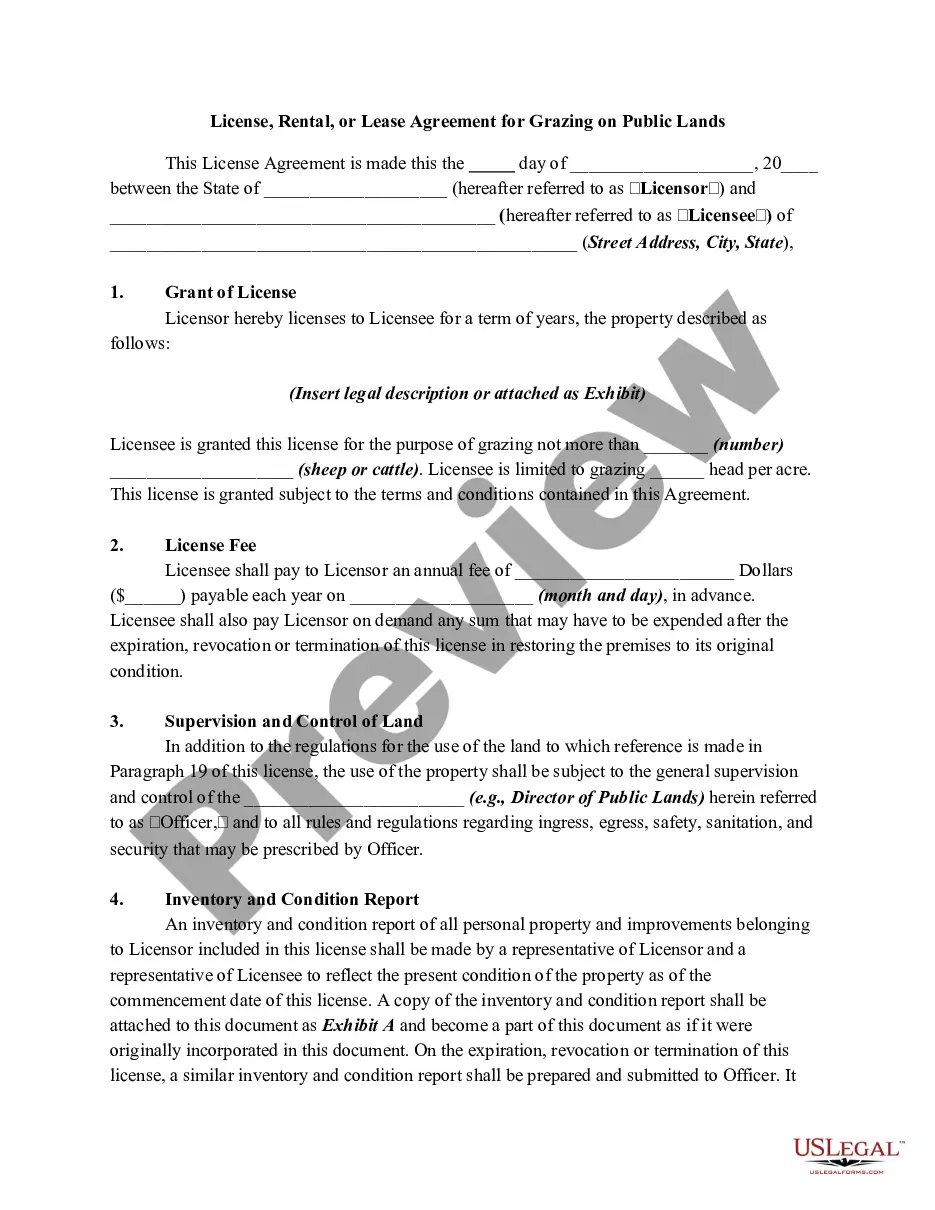
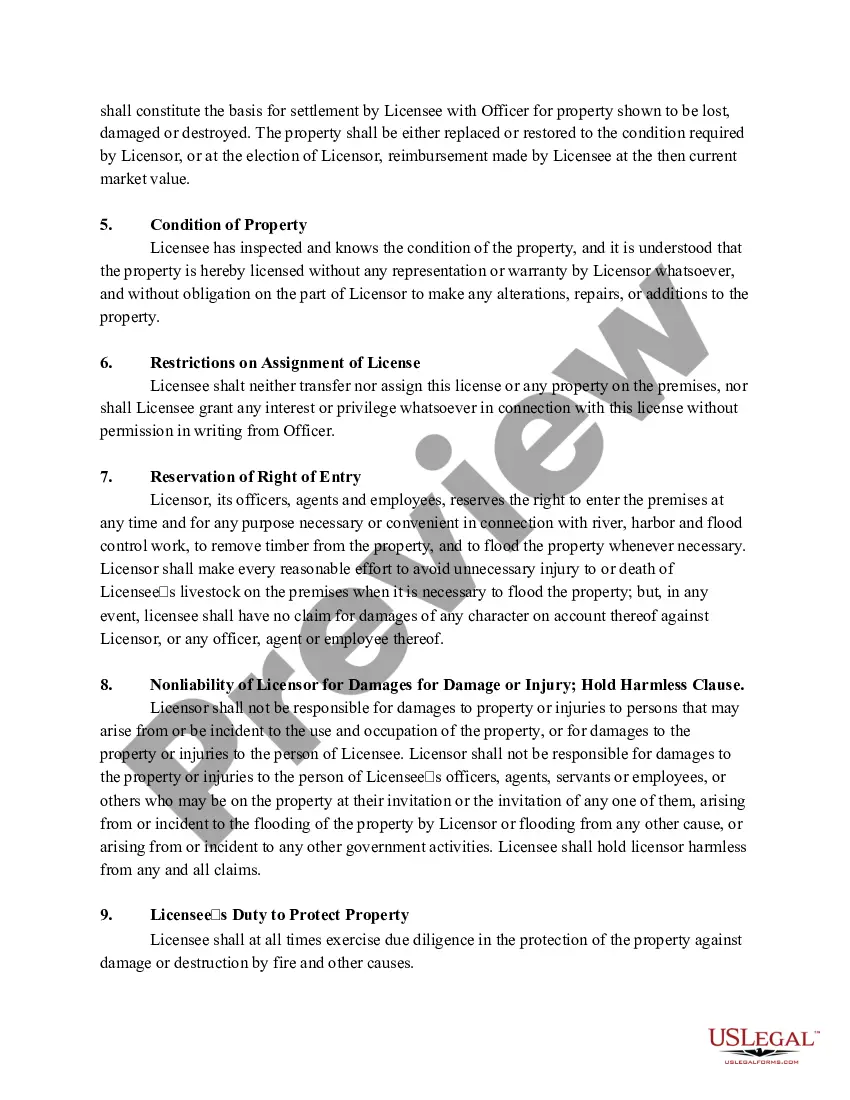
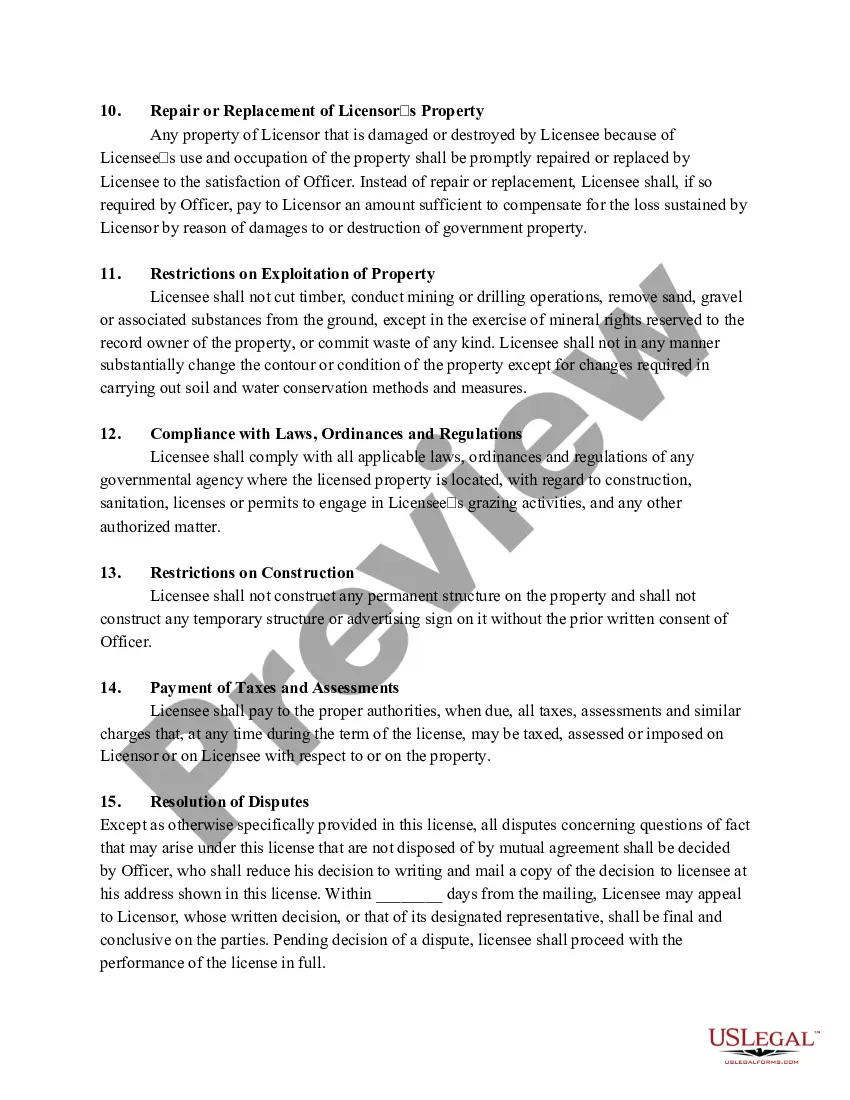
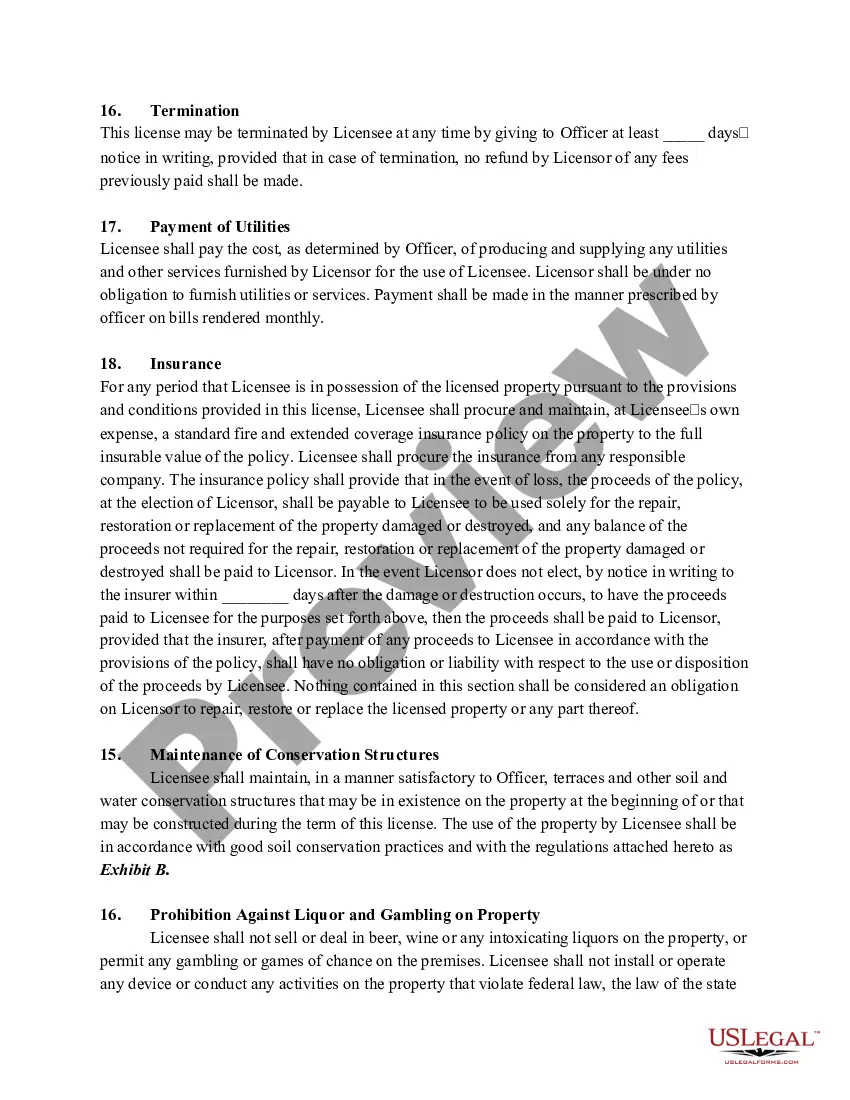
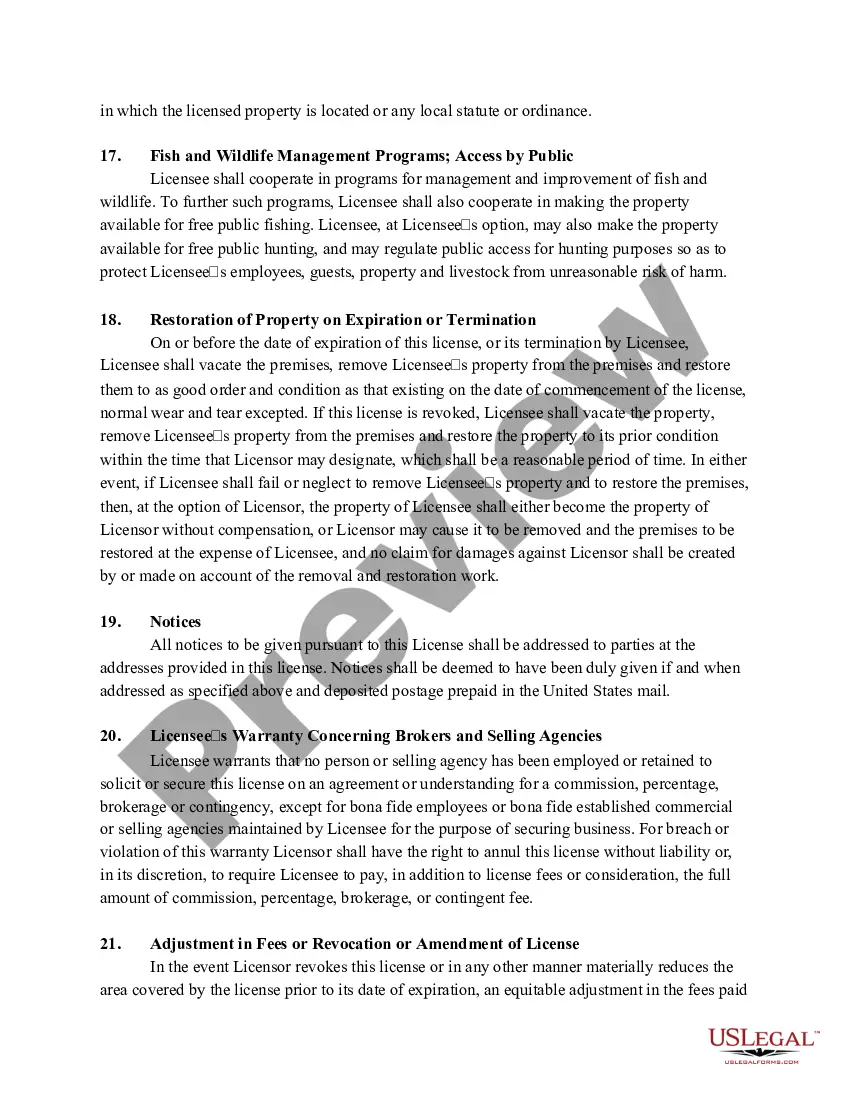
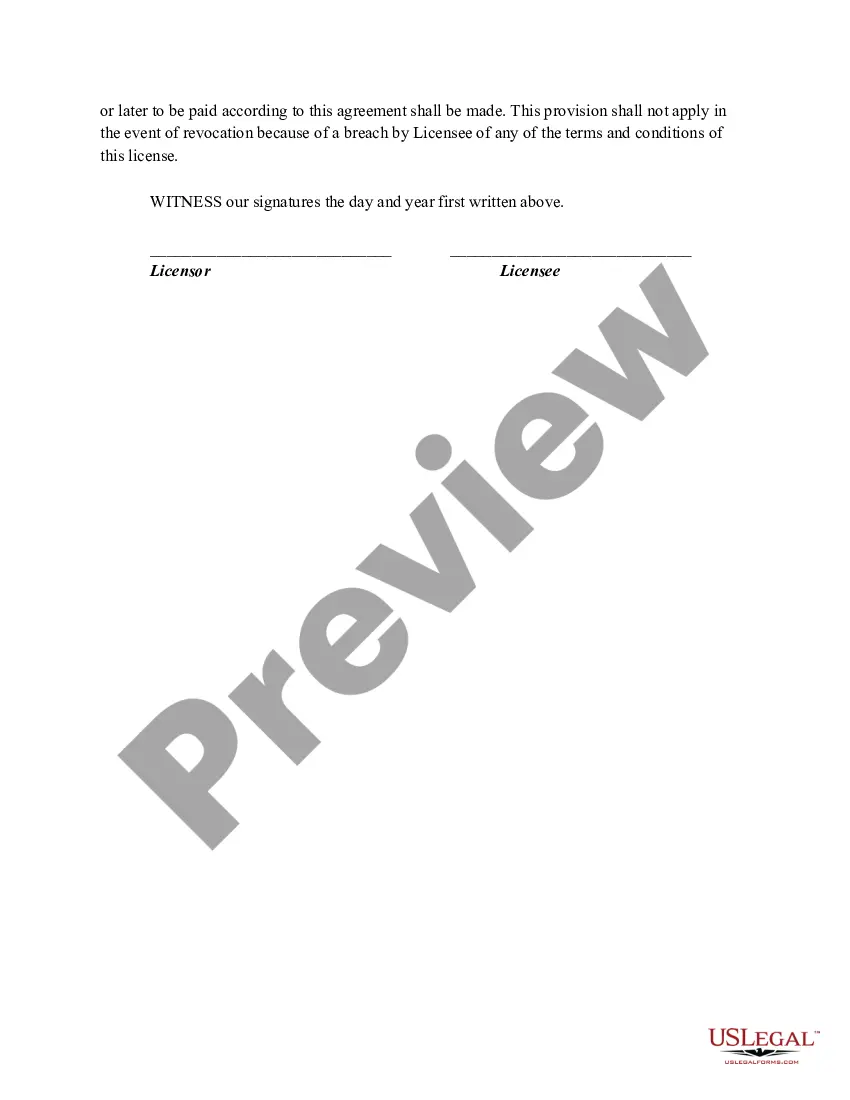
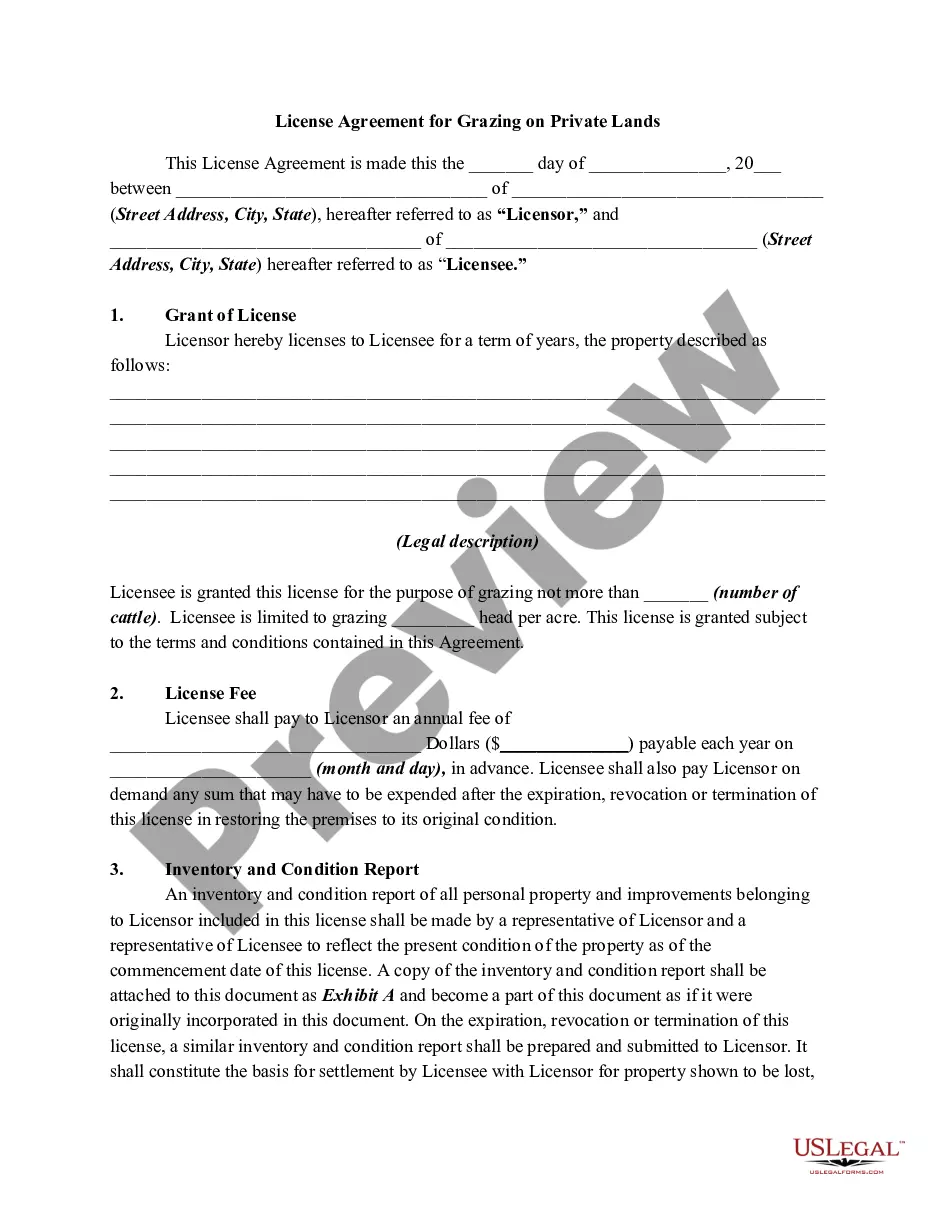
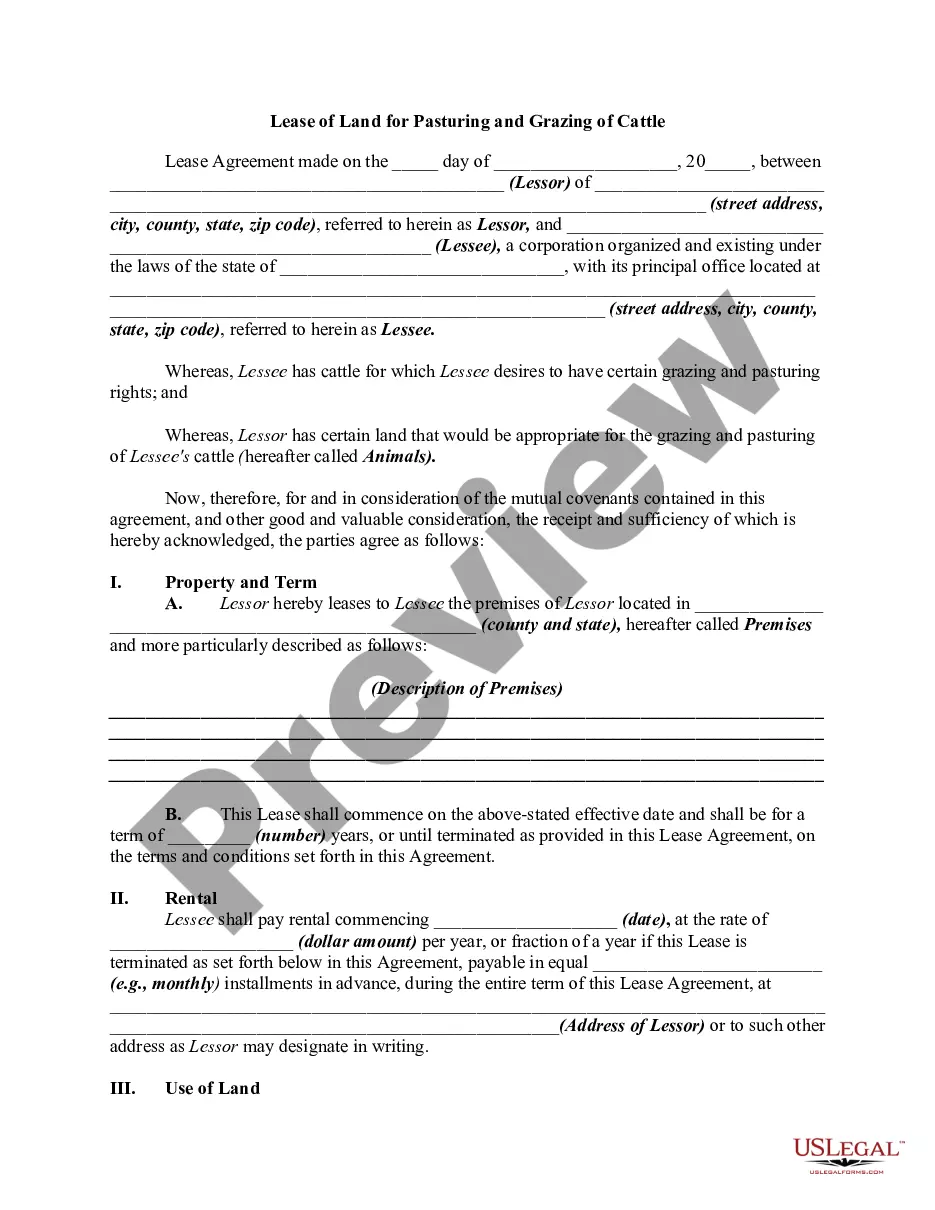
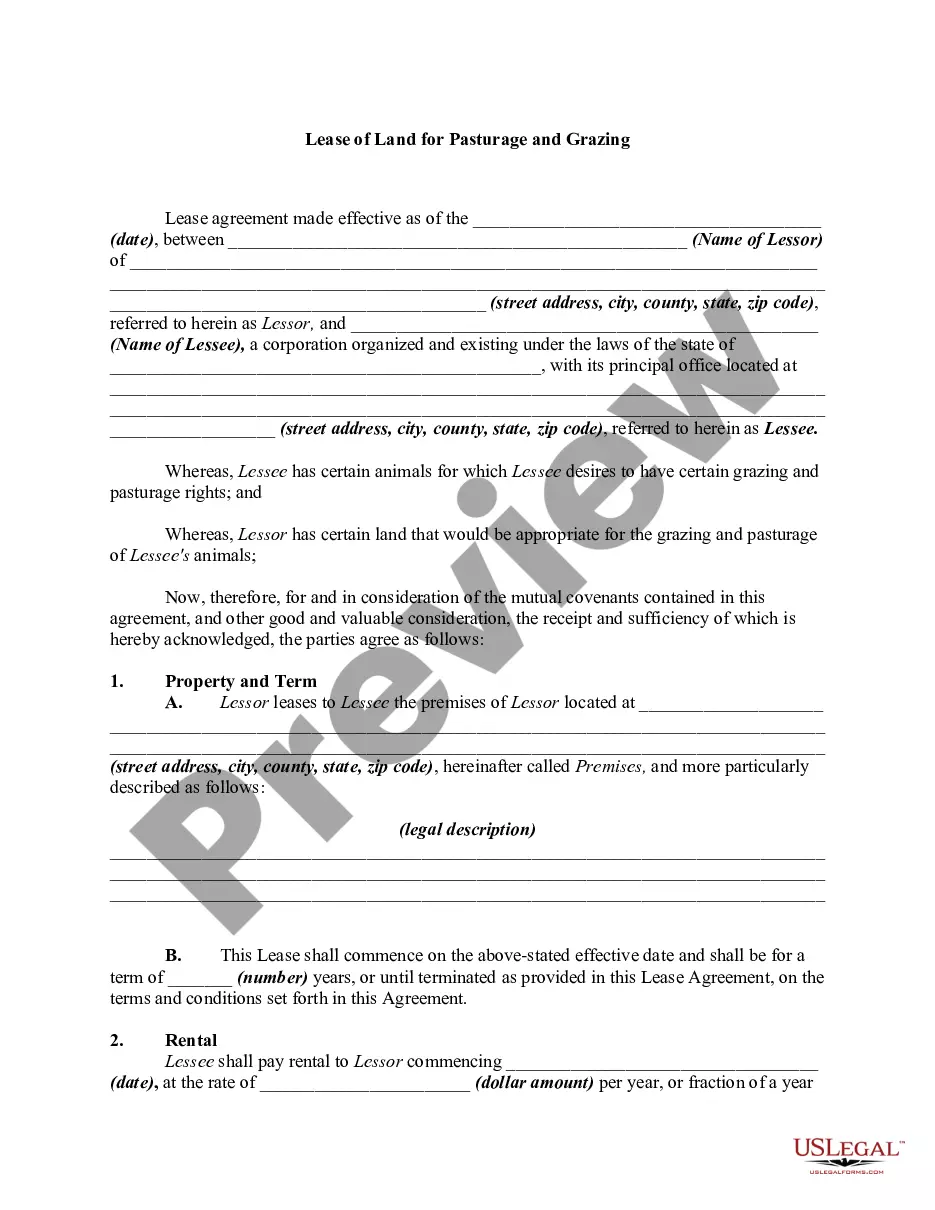
Get your form ready online
Our built-in tools help you complete, sign, share, and store your documents in one place.
Make edits, fill in missing information, and update formatting in US Legal Forms—just like you would in MS Word.
Download a copy, print it, send it by email, or mail it via USPS—whatever works best for your next step.
Sign and collect signatures with our SignNow integration. Send to multiple recipients, set reminders, and more. Go Premium to unlock E-Sign.
If this form requires notarization, complete it online through a secure video call—no need to meet a notary in person or wait for an appointment.
We protect your documents and personal data by following strict security and privacy standards.

Make edits, fill in missing information, and update formatting in US Legal Forms—just like you would in MS Word.

Download a copy, print it, send it by email, or mail it via USPS—whatever works best for your next step.

Sign and collect signatures with our SignNow integration. Send to multiple recipients, set reminders, and more. Go Premium to unlock E-Sign.

If this form requires notarization, complete it online through a secure video call—no need to meet a notary in person or wait for an appointment.

We protect your documents and personal data by following strict security and privacy standards.
Looking for another form?
Form popularity
FAQ
A lease is a proprietary interest granting exclusive possession for a fixed term, where a licence is a mere right to occupy land. Leases provide greater security and are more attractive for secure, longer-term arrangements.
A lease is a conveyance of exclusive possession of specific property… usually in consideration of the payment of rent, which vests an estate in the grantee, while a license, on the other hand, merely makes permissible acts on the land of another that would otherwise lack permission.
The main difference between leasing and renting is that leasing typically involves a long-term, legally binding agreement with fixed terms and stability, while renting is more flexible, often short-term, with easier exit options and fewer obligations for both tenant and landlord.
License is both a noun and a verb in the United States. If you live in any other English-speaking country, you will spell it licence when you use it as a noun and license when you use it as a verb.
Before you pull the plug, reread your lease agreement. It's like a manual for your rental life. Look for the fine print that talks about breaking up – ahem, terminating the lease. Some leases have conditions for parting ways, and knowing the rules is essential before you make any bold moves.
The landlord tenant laws that allow you to break a lease are different from state to state. In many places, you can get out of your lease without penalty for a number of reasons, such as domestic violence, an unsafe environment, or if you've been called up for military service.
It's typically best to provide a written notice to your landlord, at least 30 to 60 days in advance of moving out, that you plan to break your lease. In your notice, include a move-out date and your reasons for breaking your lease.
