Tenancy Agreement For Rental In Virginia
Description
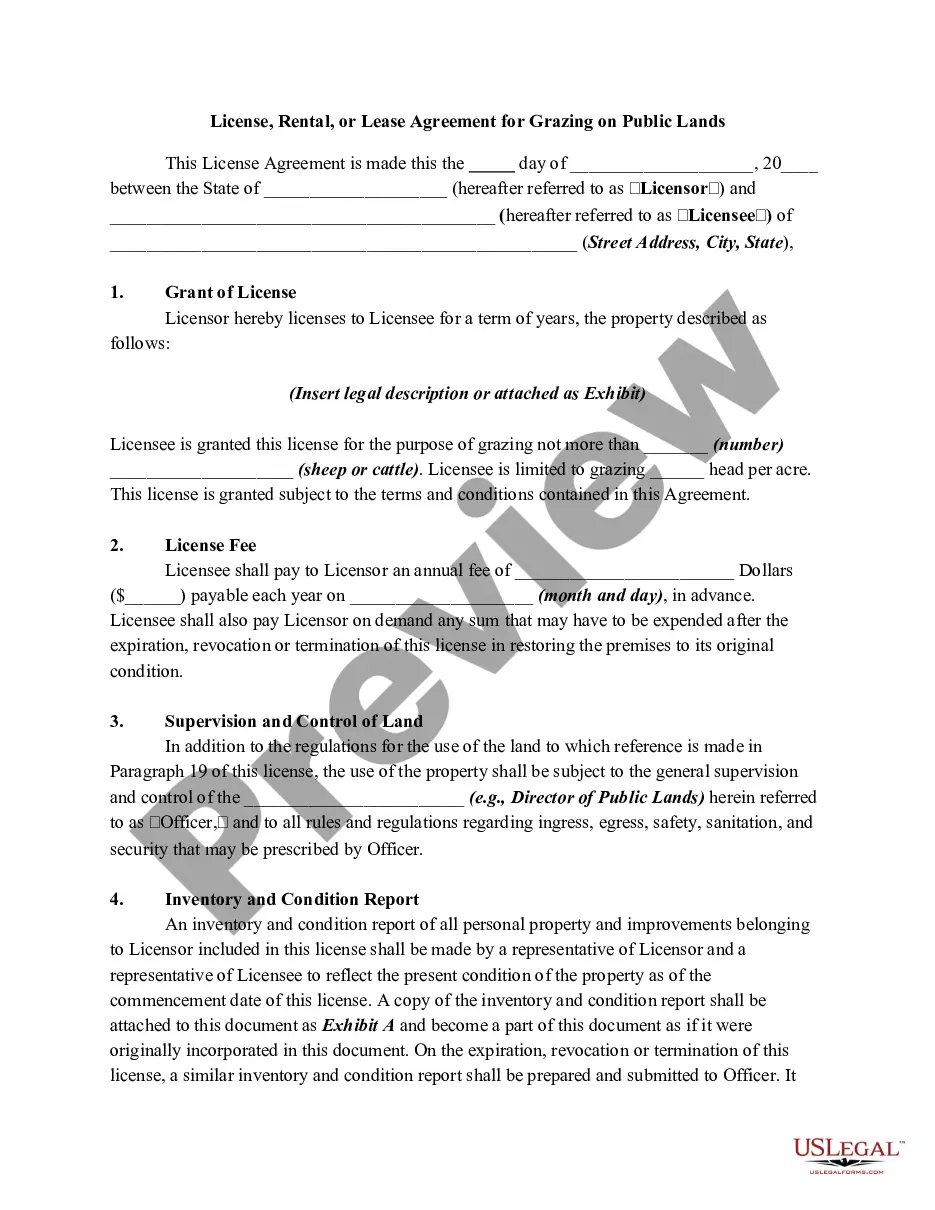
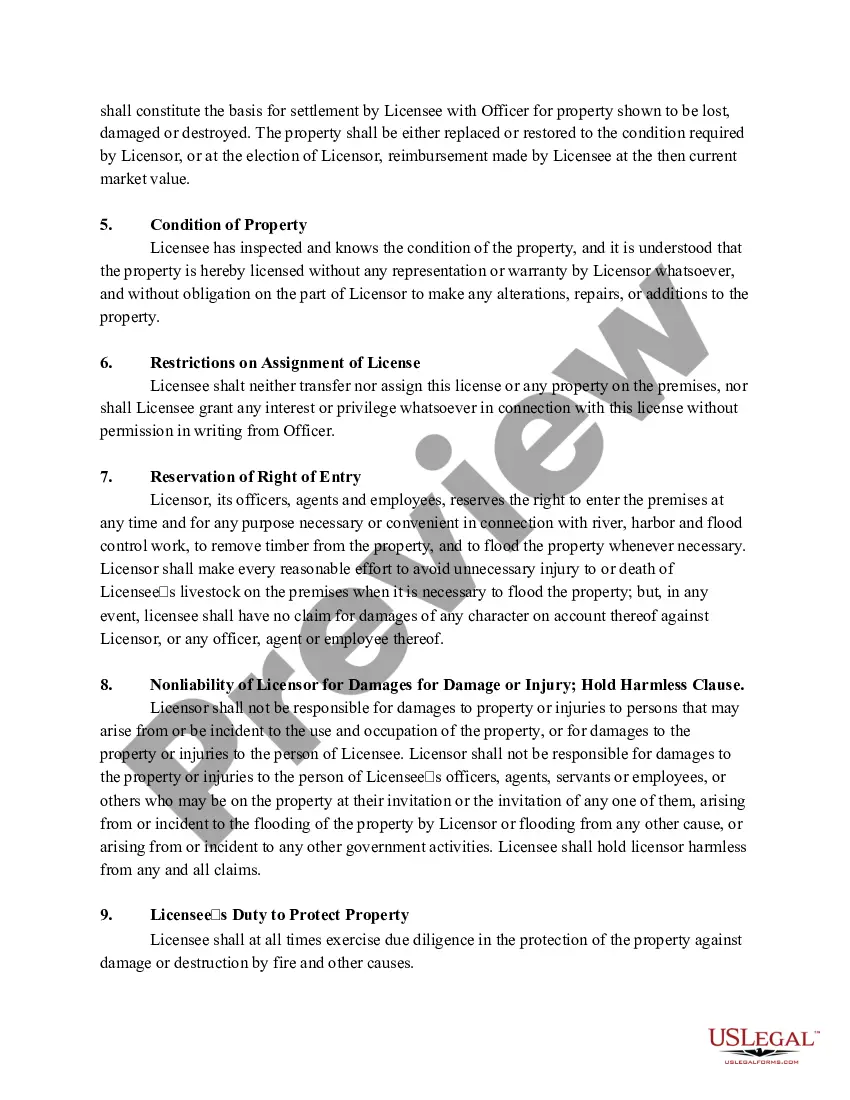
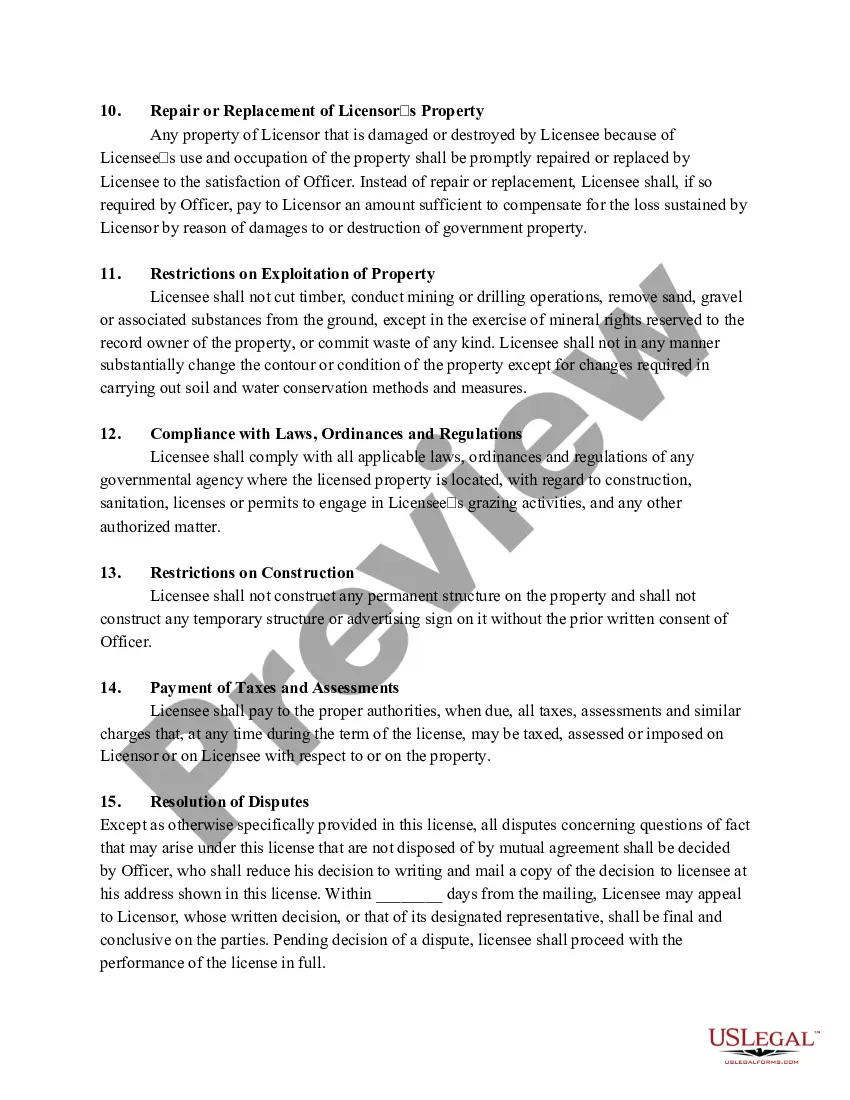
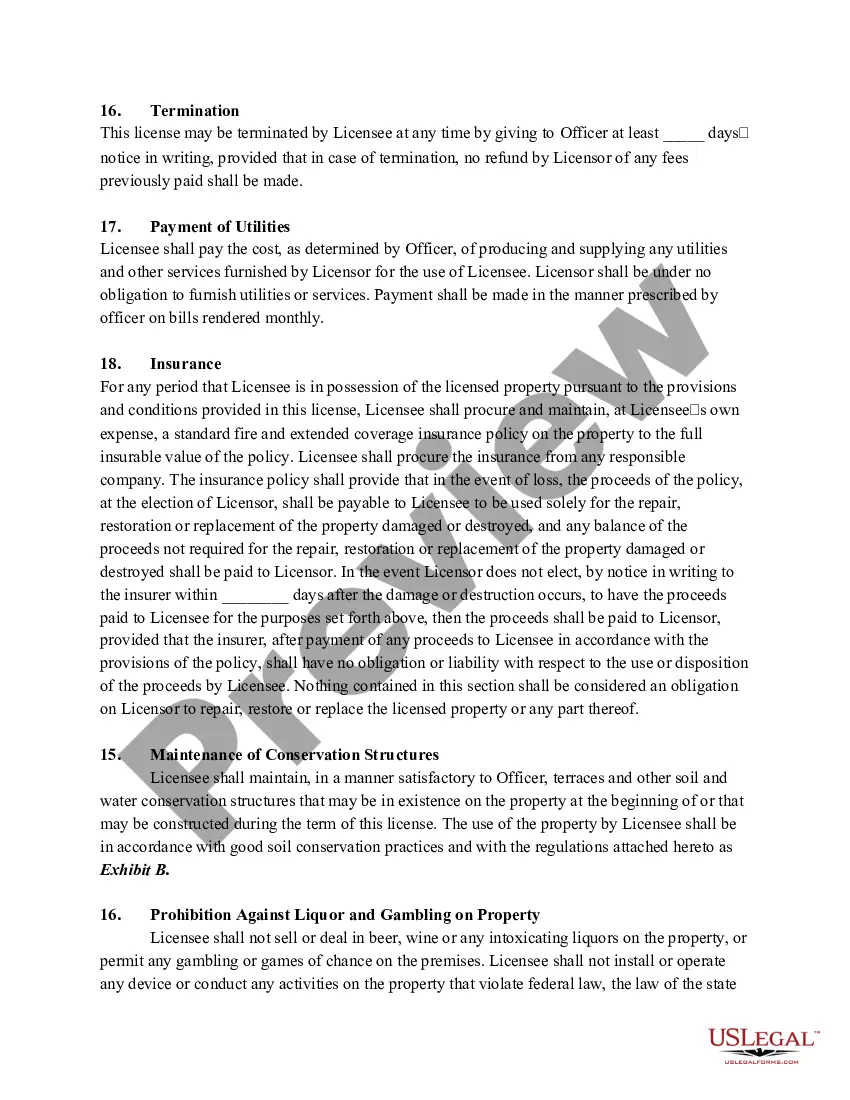
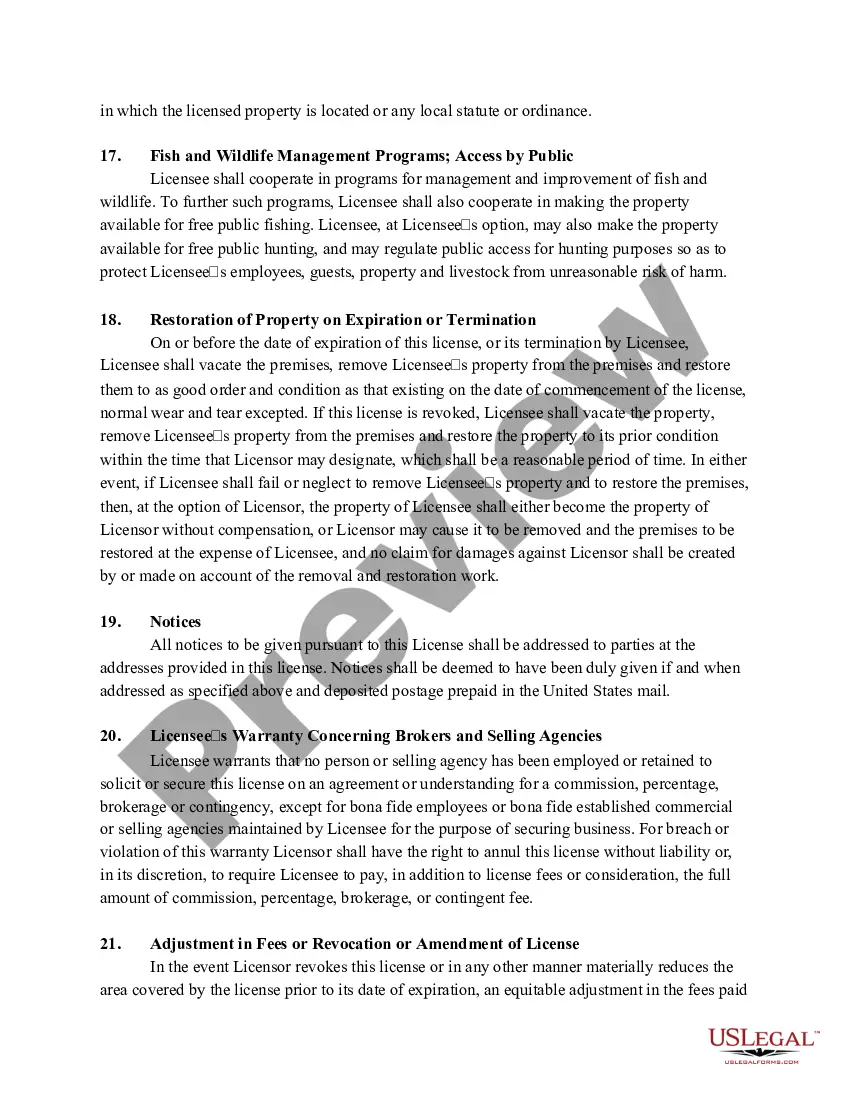
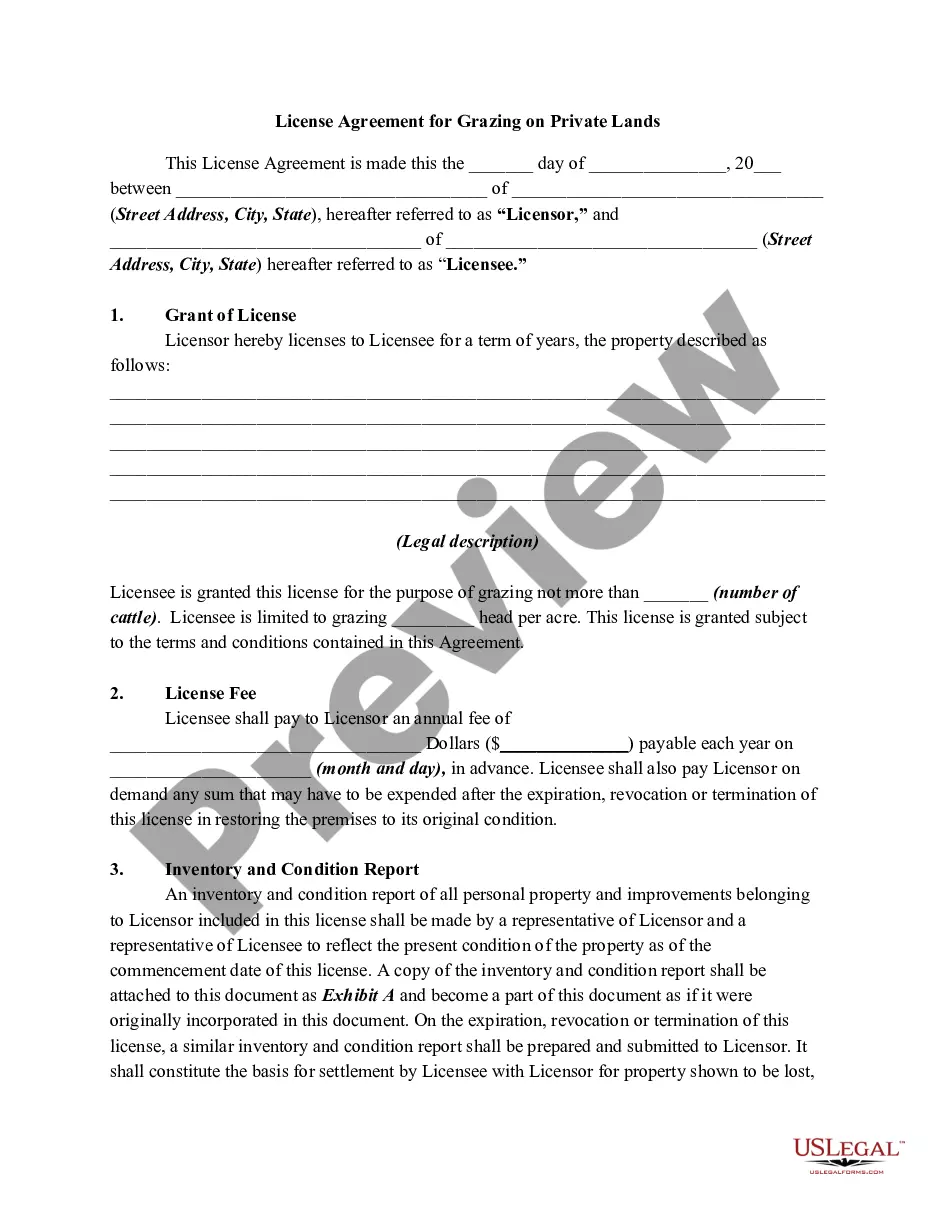
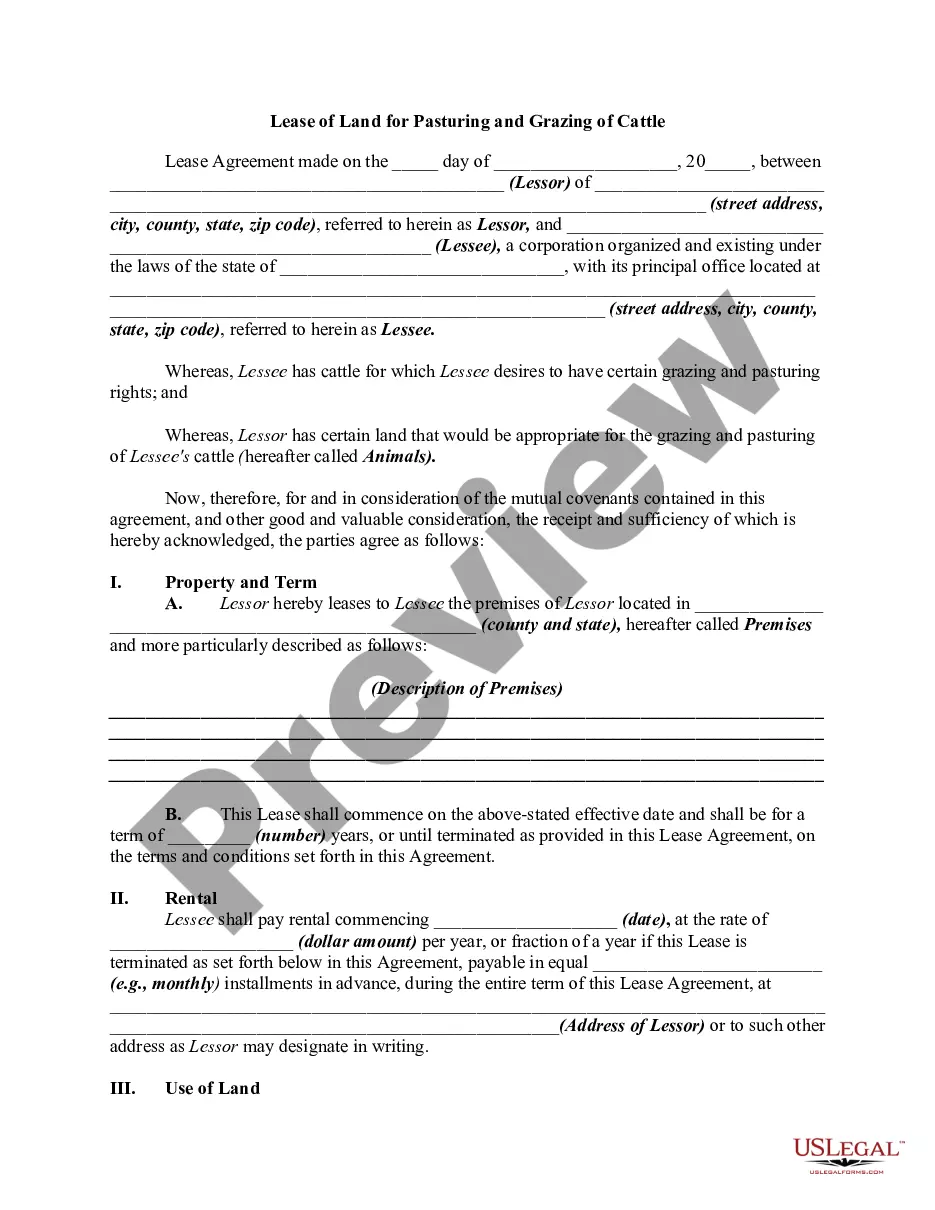
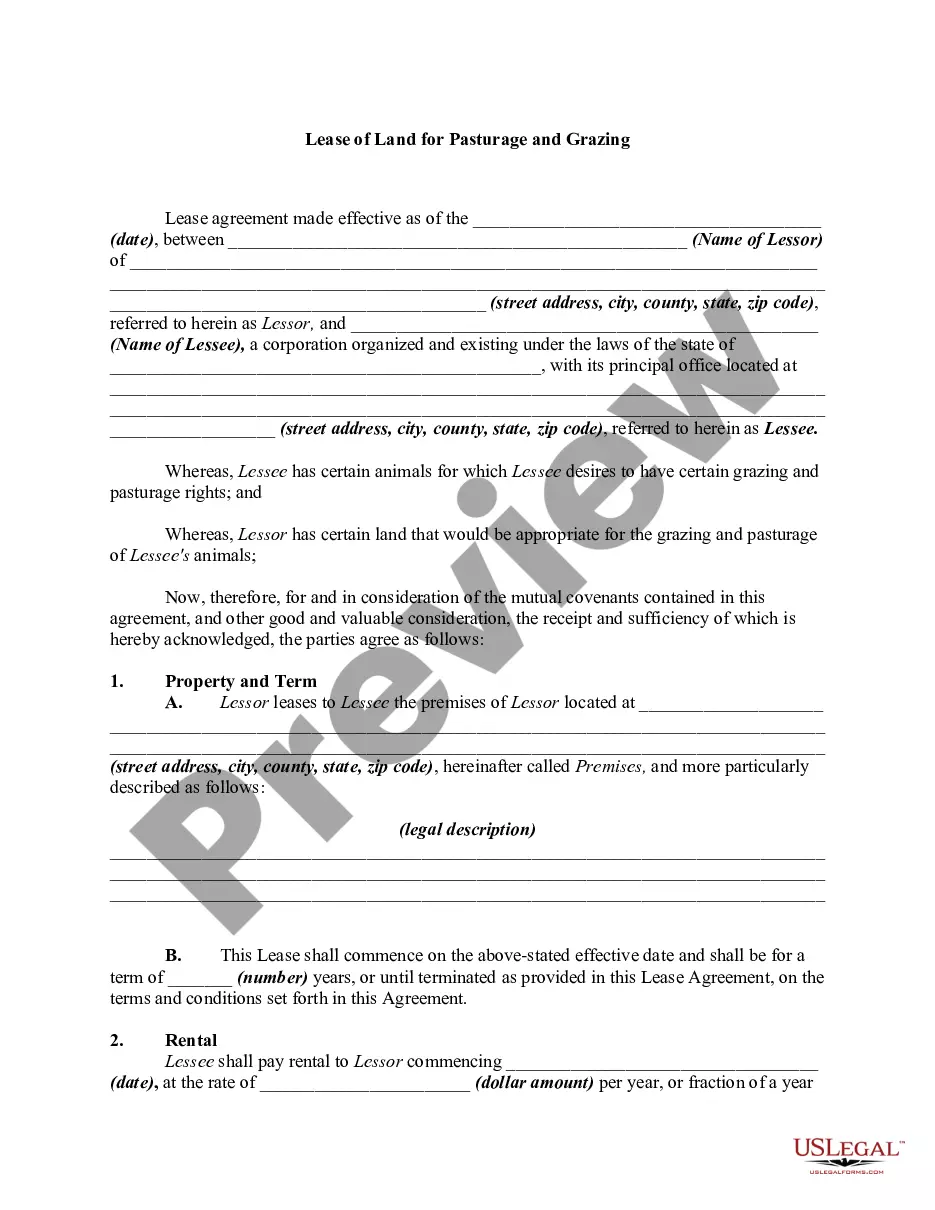
Get your form ready online
Our built-in tools help you complete, sign, share, and store your documents in one place.
Make edits, fill in missing information, and update formatting in US Legal Forms—just like you would in MS Word.
Download a copy, print it, send it by email, or mail it via USPS—whatever works best for your next step.
Sign and collect signatures with our SignNow integration. Send to multiple recipients, set reminders, and more. Go Premium to unlock E-Sign.
If this form requires notarization, complete it online through a secure video call—no need to meet a notary in person or wait for an appointment.
We protect your documents and personal data by following strict security and privacy standards.

Make edits, fill in missing information, and update formatting in US Legal Forms—just like you would in MS Word.

Download a copy, print it, send it by email, or mail it via USPS—whatever works best for your next step.

Sign and collect signatures with our SignNow integration. Send to multiple recipients, set reminders, and more. Go Premium to unlock E-Sign.

If this form requires notarization, complete it online through a secure video call—no need to meet a notary in person or wait for an appointment.

We protect your documents and personal data by following strict security and privacy standards.
Looking for another form?





Form popularity
FAQ
Virginia does not require a special landlord license. However, renting properties is considered a business activity and may require a generic business license in some locales. For example, Arlington County requires landlords earning more than $10,000 annually in rental income to obtain a business license.
"Effective date of rental agreement" means the date on which the rental agreement is signed by the landlord and the tenant obligating each party to the terms and conditions of the rental agreement.
No, they do not require notarization in Virginia, though the lease must be signed by one party and meet all requirements to be enforceable.
For month to month tenants, or tenants coming to the end of a rental agreement, the landlord must give at least 30-day notice to vacate on or before the first of the month ending on the last month. The landlord is not required to provide a reason, nor include an explanation for issuing this notice.
Overall, landlords in Virginia have to provide the tenant a property in good condition that complies with local housing regulations and guidelines and also respond to damages with a repairing service promptly (usually within 21 days of notice).
Once it is signed by both the landlord and the tenant, the lease is a legally binding contract. If you have any questions about anything in this lease, you should talk to an attorney about the lease before you sign it.
The landlord may enter the dwelling unit without consent of the tenant in case of emergency. The landlord shall not abuse the right of access or use it to harass the tenant.
Without a written agreement, your lease goes for 12 months. You can negotiate with your landlord to end or change it, but be sure to get any changes in writing. Your landlord can't end or change the agreement within the first 12 months unless you both agree.
Your landlord cannot legally cut off your utilities, lock you out of your home, or evict you without taking you to court. You do not have to move out if your landlord tells you to leave or if they file an eviction case (called a “Summons for Unlawful Detainer”) against you.
Ing to Virginia landlord-tenant law, tenants have the right to live in a habitable unit that complies with proper housing regulations. Additionally, tenants have the legal right to request required repairs if the unit has any kind of damage that exceeds normal wear and tear.
